Engagement
This or that: sunrise ride out to Fort Morgan or a slow cruise down Beach Boulevard. Pick one and tell us why. #RideNationAL #FortMorgan #GulfCoastRiders
Giveaway & Countdown
The BikersWin $20,000 motorcycle giveaway is live. Talk to Noel Leonard about your crash and you are entered, free. Call (251) 269-0869 to find out how. #RideNationAL #BikersWin #20kGiveaway
Local AL & Rides
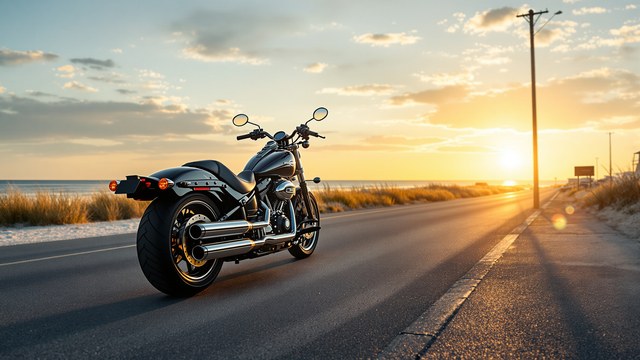
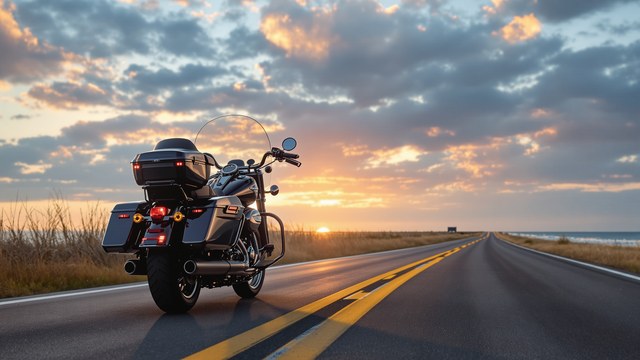
Fort Morgan Road at golden hour, Gulf on one side, Mobile Bay on the other. Nothing else rides like it. #RideNationAL #FortMorgan #GulfCoastRiders
Gear & New Iron
Alabama helmet reality: it is the law here for every rider and every passenger, no exceptions. Check the DOT sticker before you roll. #RideNationAL #GearUp #ATGATT
Safety & AL Law
Alabama riders, hear this straight: we are a pure contributory negligence state. If you are found even 1 percent at fault, you can recover nothing. Document everything at the scene, then call Noel Leonard at (251) 269-0869. #RideNationAL #RiderRights #AlabamaRiders
Engagement
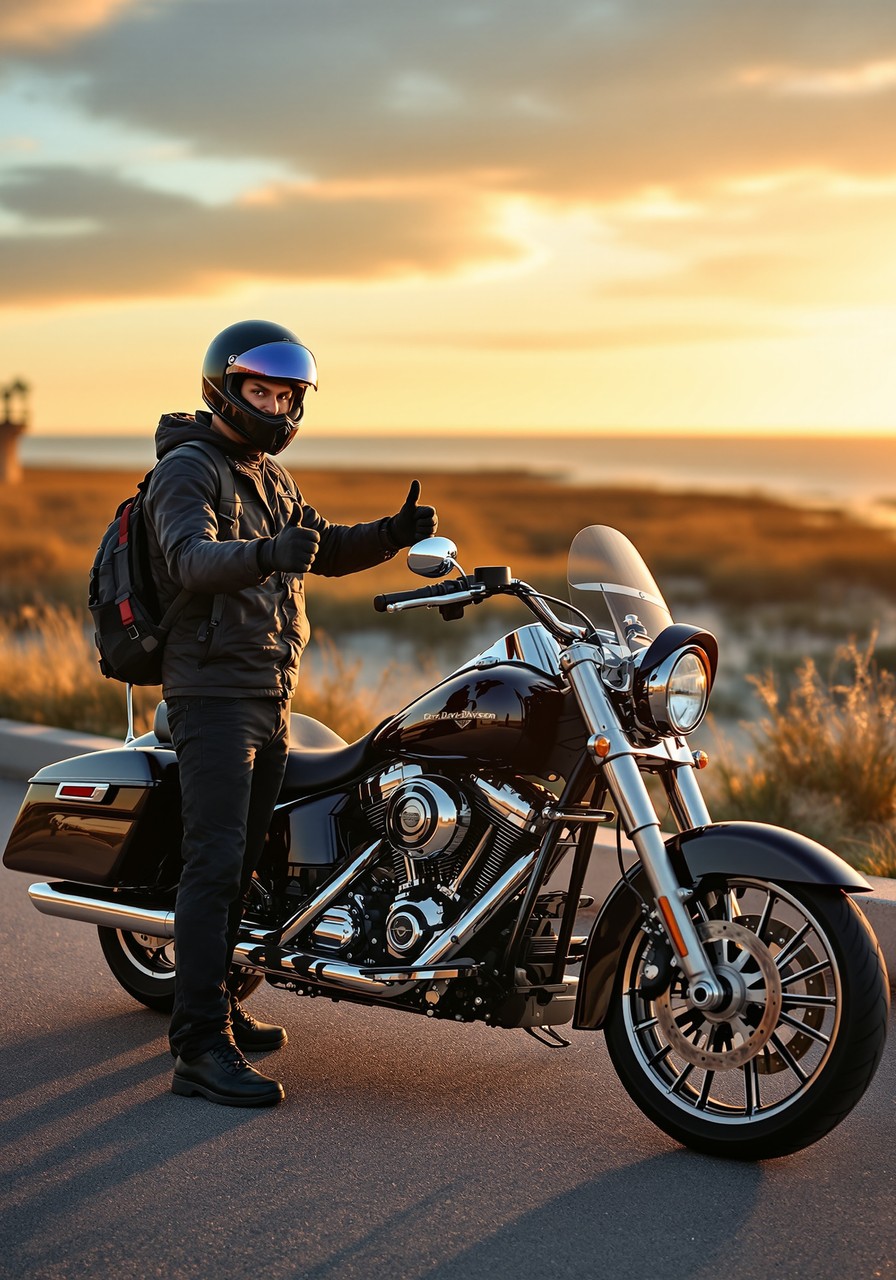
Fill in the blank: my favorite stretch of Highway 59 is ______. #RideNationAL #BaldwinCounty #TwoWheels
Giveaway & Countdown
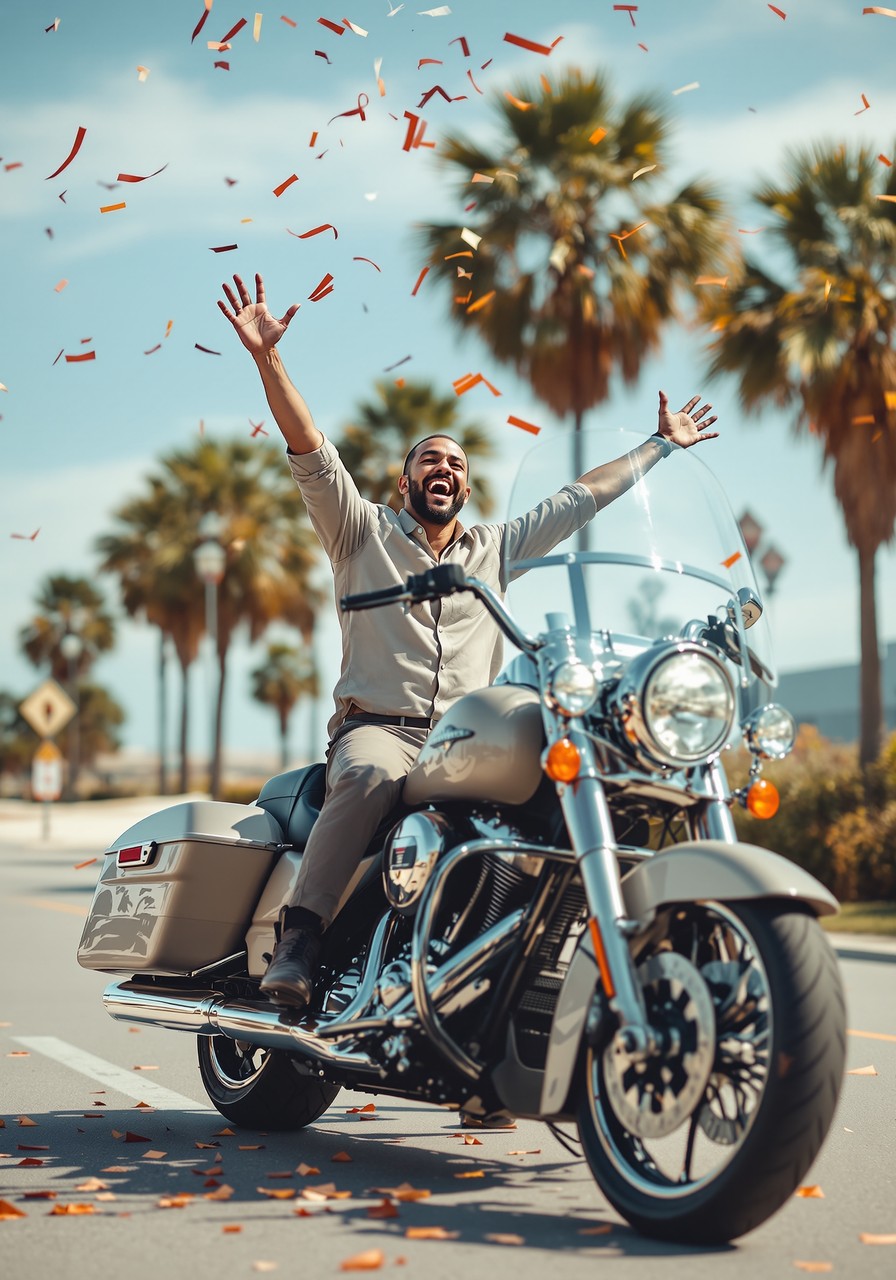
Been down on Gulf Coast roads? A free case review is your ticket into the BikersWin $20,000 giveaway. Ring us at (251) 269-0869. #RideNationAL #MotorcycleGiveaway #GulfCoastRiders
Local AL & Rides
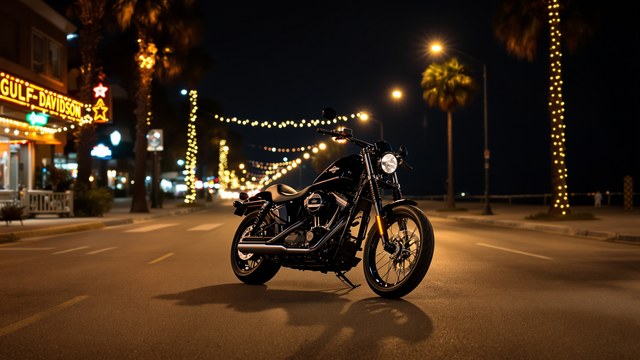
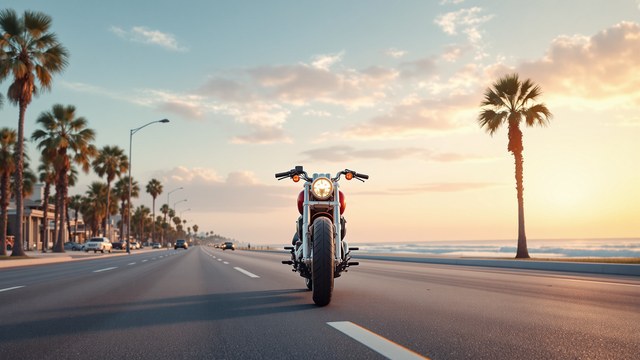
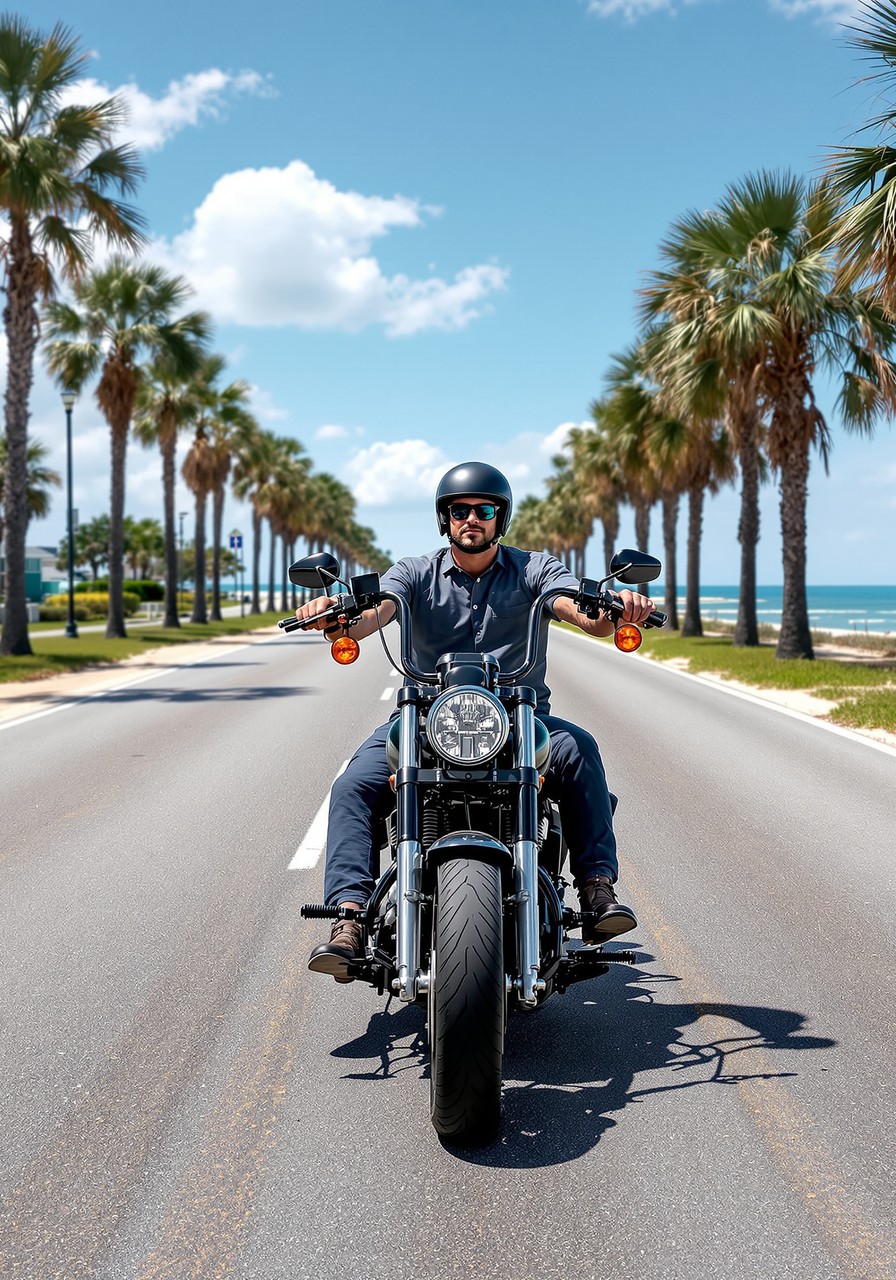
AL-182 down Beach Boulevard with the water wide open beside you. Take it slow and let the tourists pass. #RideNationAL #GulfShores #GulfCoast
Gear & New Iron
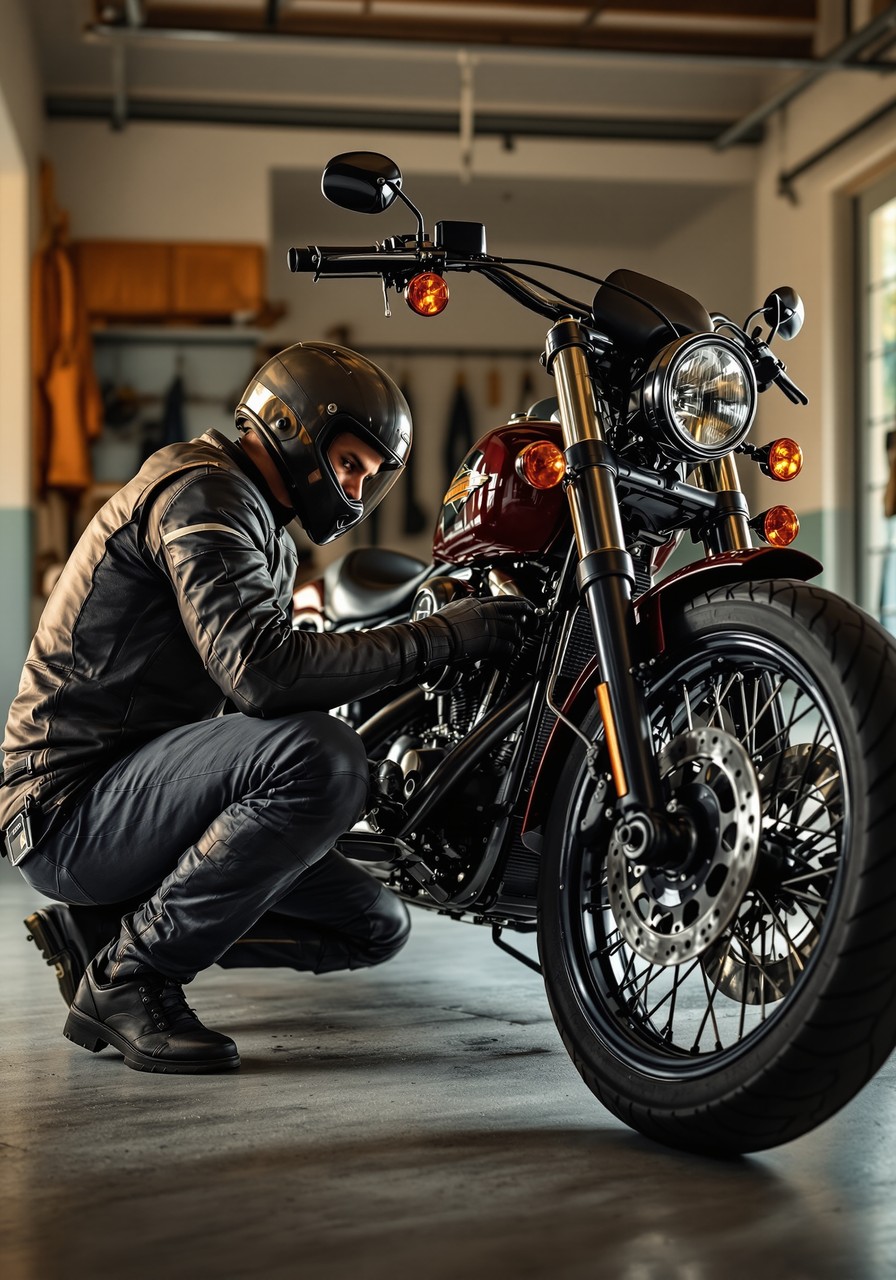
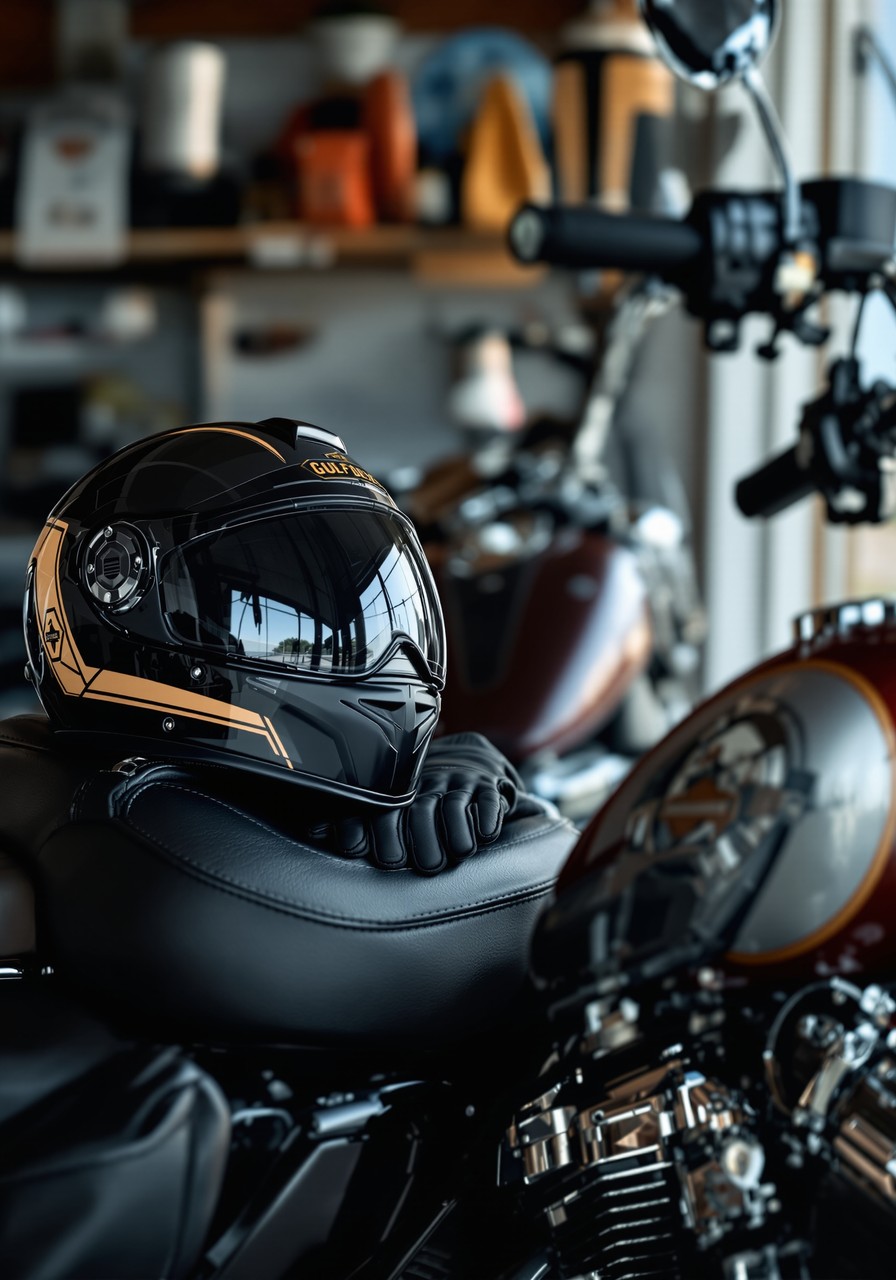
Dropped your lid in the garage? Replace it. A helmet that took a hit once can be quietly compromised inside even if the shell looks fine. #RideNationAL #GearUp #RiderTips
Safety & AL Law
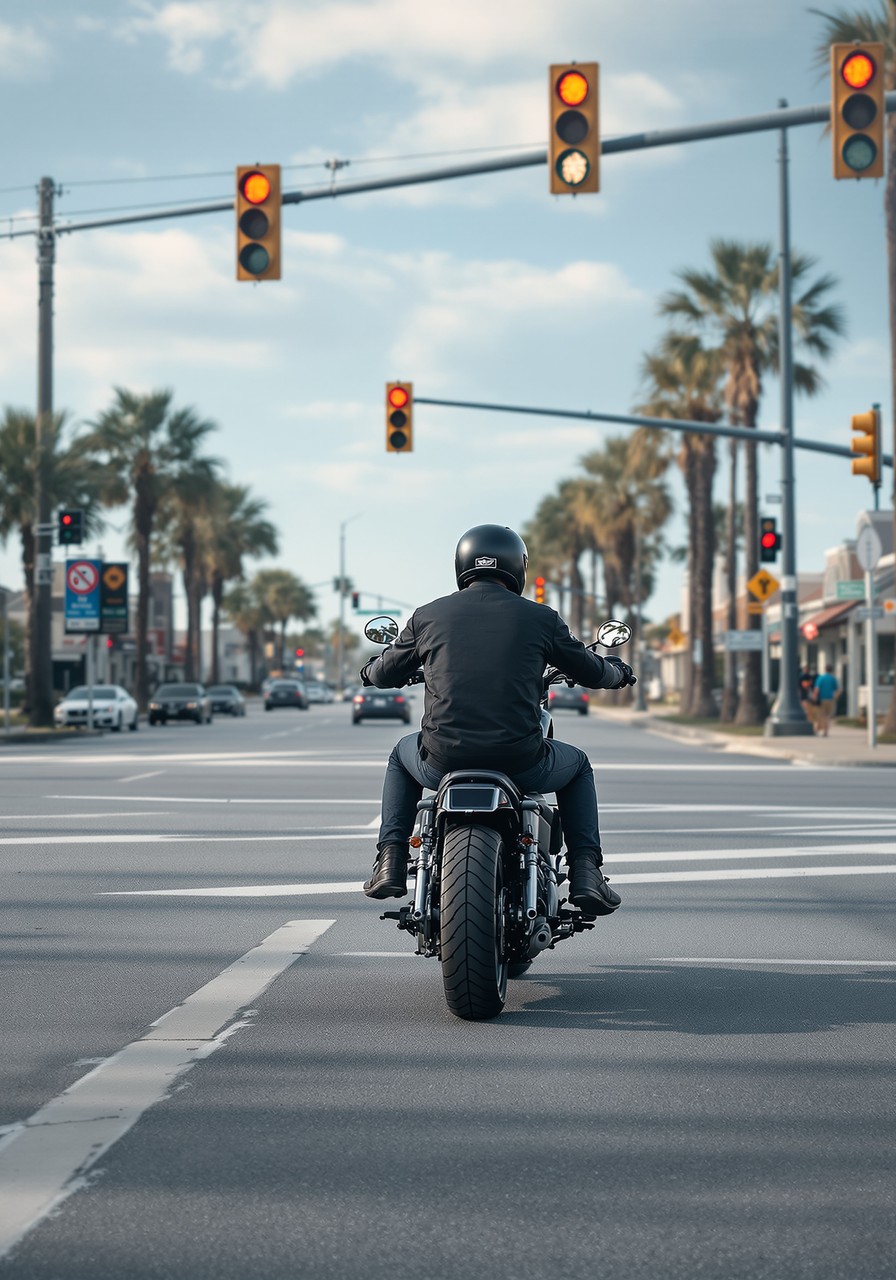
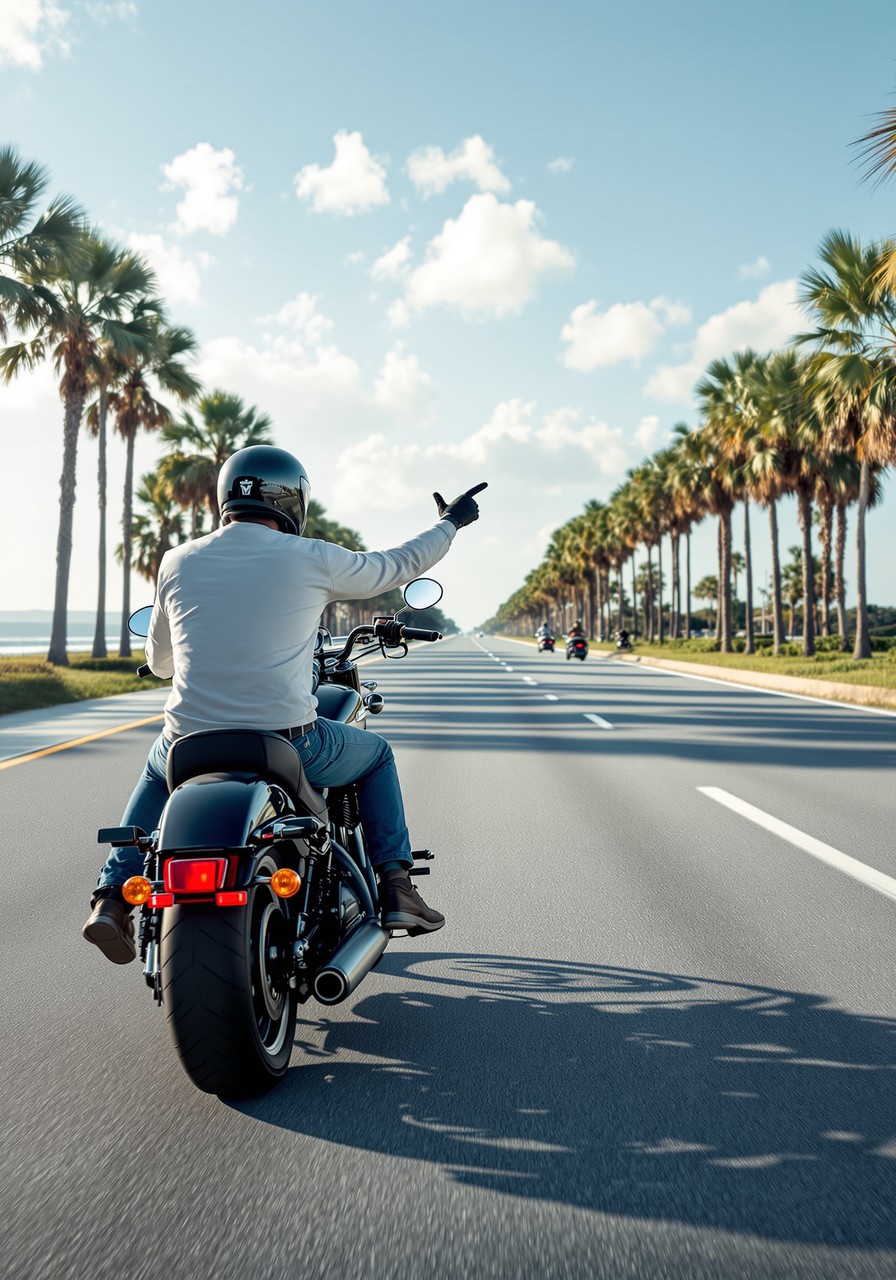
Left turning drivers are the top threat at Gulf Shores intersections. Cover your brakes and ride like they never saw you, because too many of them did not. #RideNationAL #MotorcycleSafety #GulfCoastRiders
Engagement
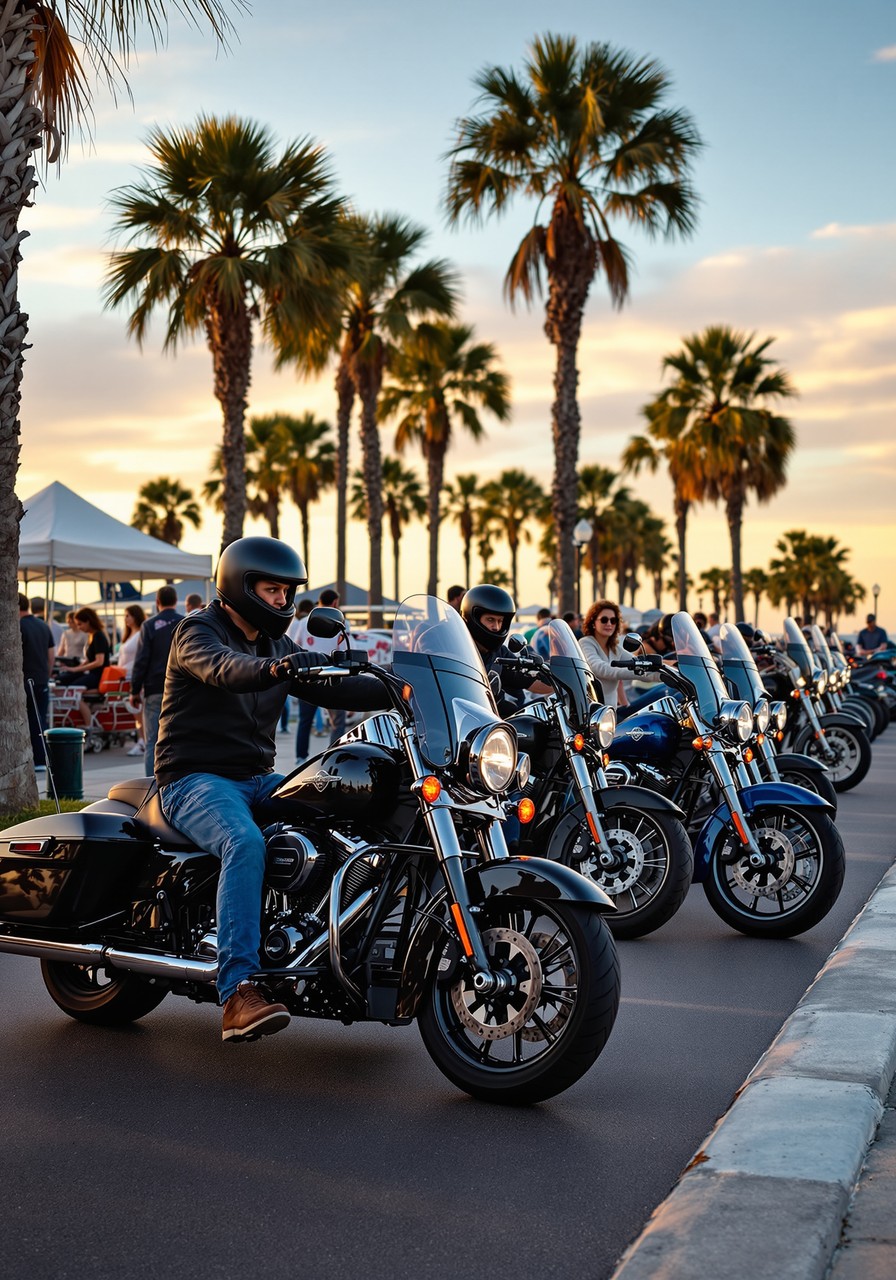
Tag your ride-or-die, the one who never bails when you text let's roll. #RideNationAL #RideOrDie #AlabamaRiders
Giveaway & Countdown
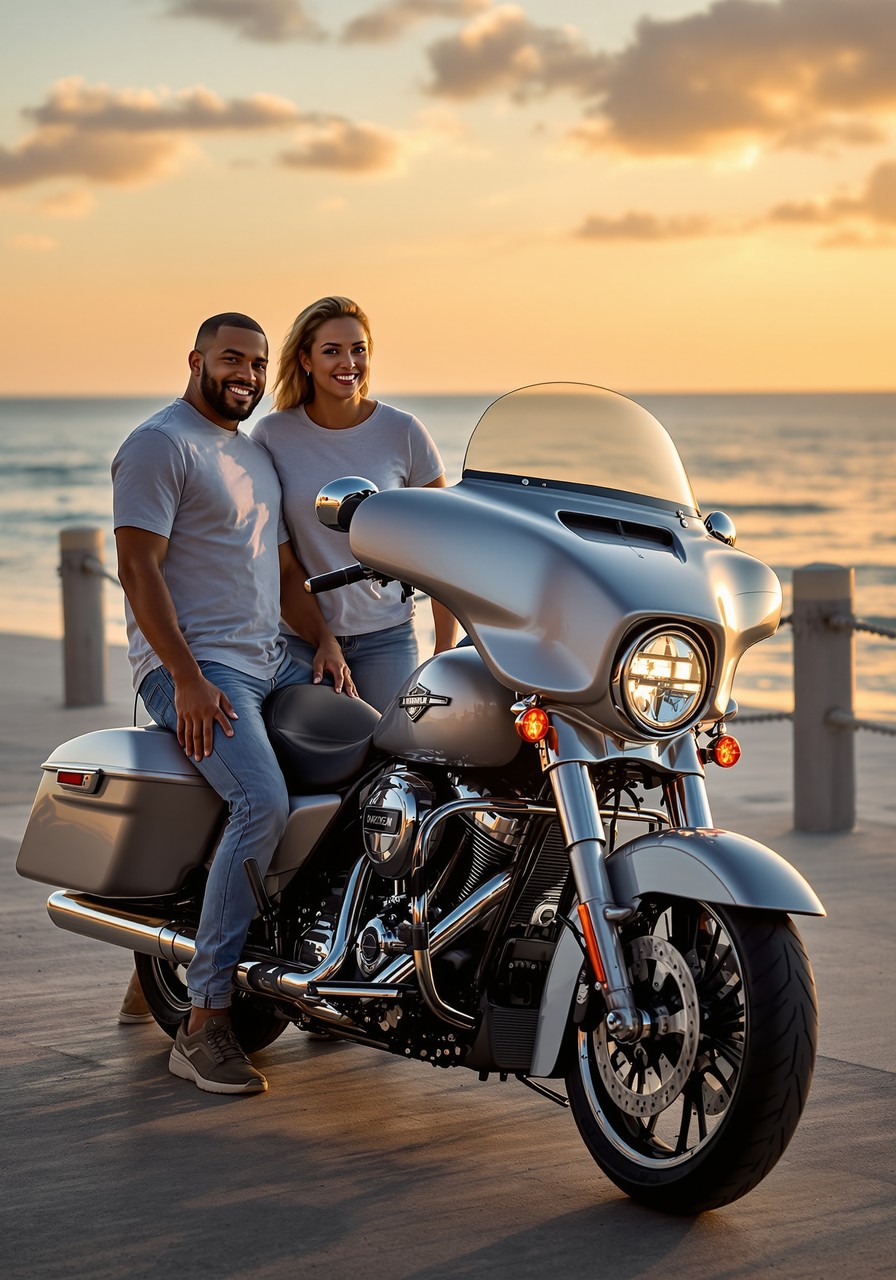
Entering is free and easy. Tell us about your motorcycle wreck and you are in the $20,000 giveaway. Dial (251) 269-0869 today. #RideNationAL #BikersWin #AlabamaRiders
Local AL & Rides
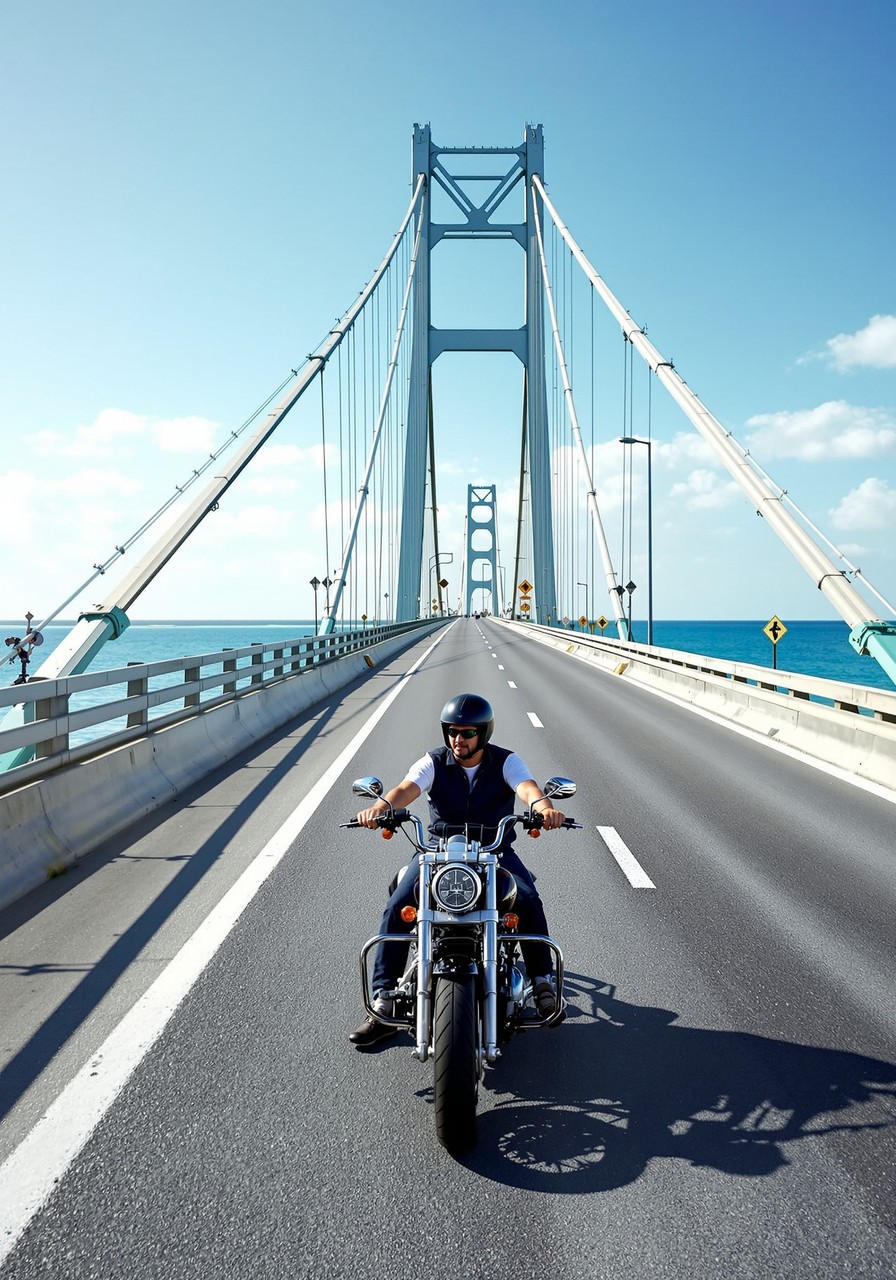
Watch for blown sand near the dunes on Fort Morgan Road. It hides in the shade and it does not grip. Ease off the throttle. #RideNationAL #FortMorgan
Gear & New Iron
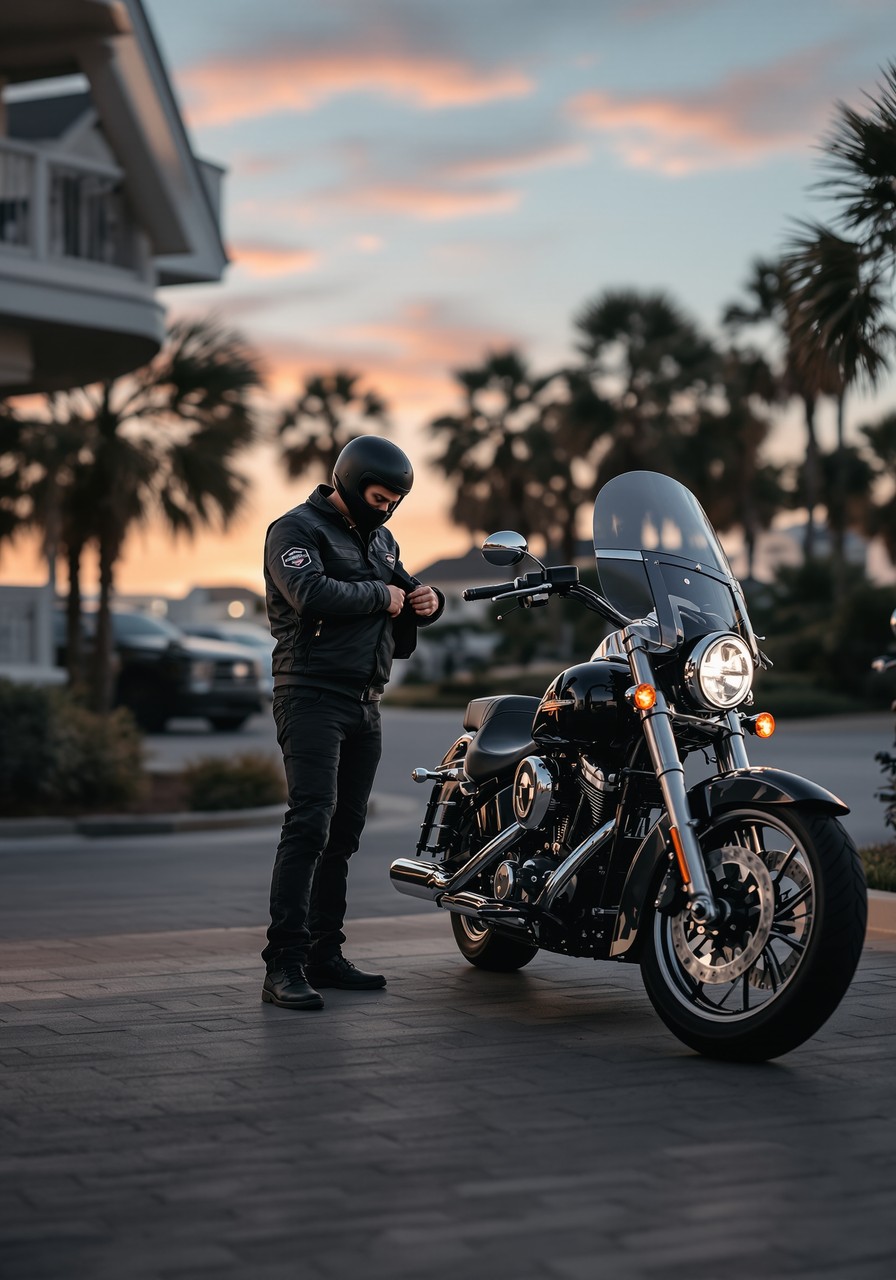
The 5-year rule is real. Foam and glue break down, and Gulf Coast heat speeds it up. If your helmet is pushing five years, start shopping. #RideNationAL #HotWeatherRiding #GearUp
Safety & AL Law
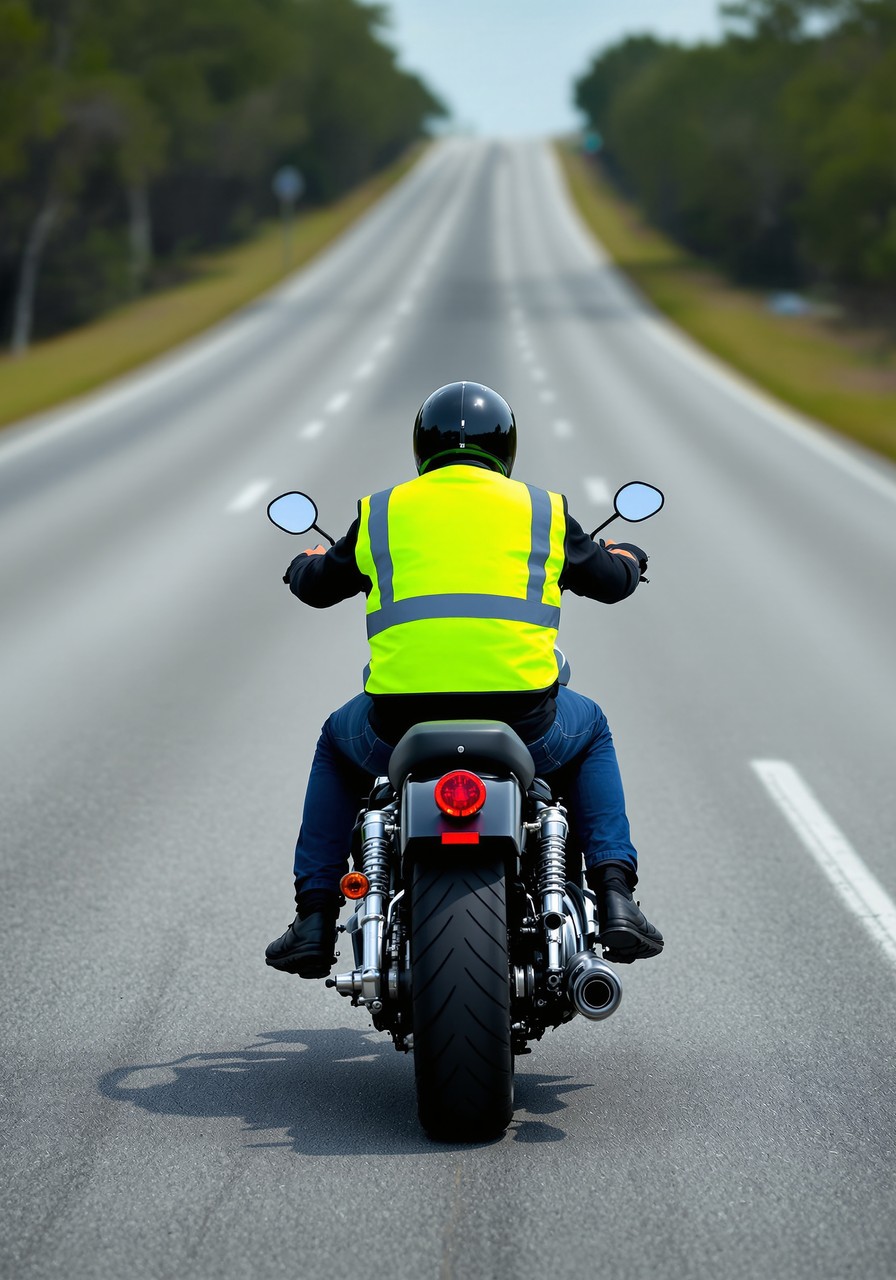
In Alabama there is no no fault coverage and no required PIP. Your real backstop after a crash is UM and UIM. Not sure what you carry? Call Noel Leonard at (251) 269-0869. #RideNationAL #RiderRights #KnowYourRights
Engagement
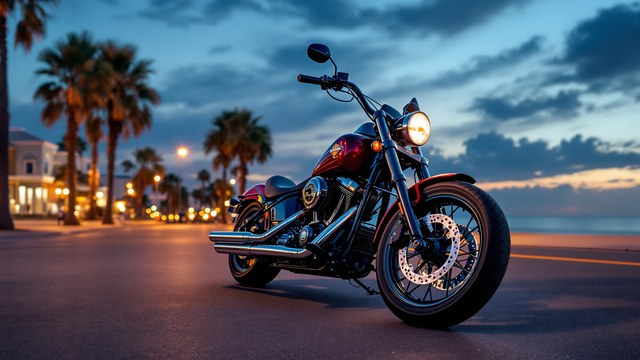
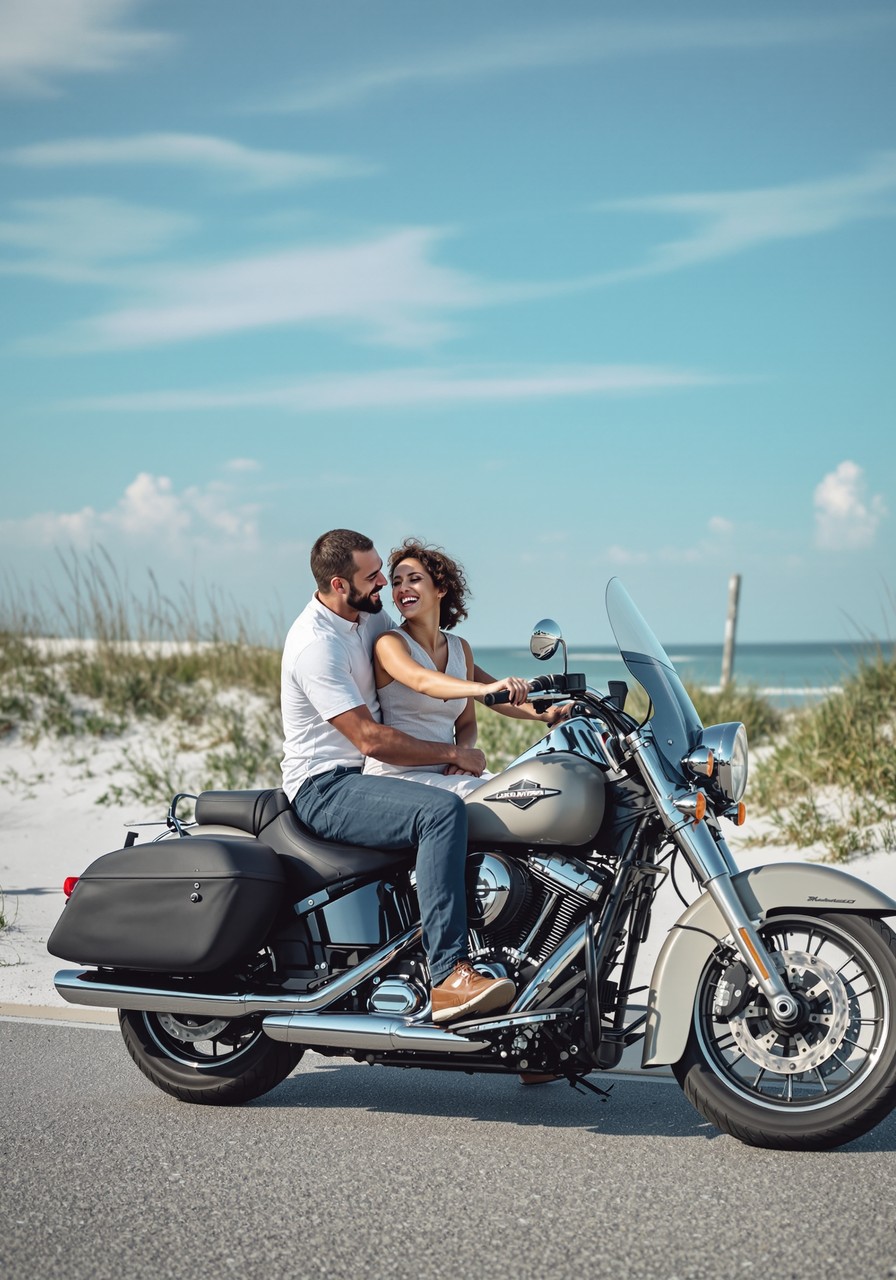
Caption this: your bike parked with the Gulf behind it and not a cloud in the sky. #RideNationAL #GulfShores #GulfCoastRiders
Giveaway & Countdown
Twenty grand is on the table. One conversation about your claim gets you entered, no cost. Reach Noel Leonard at (251) 269-0869. #RideNationAL #20kGiveaway #GulfShores
Local AL & Rides
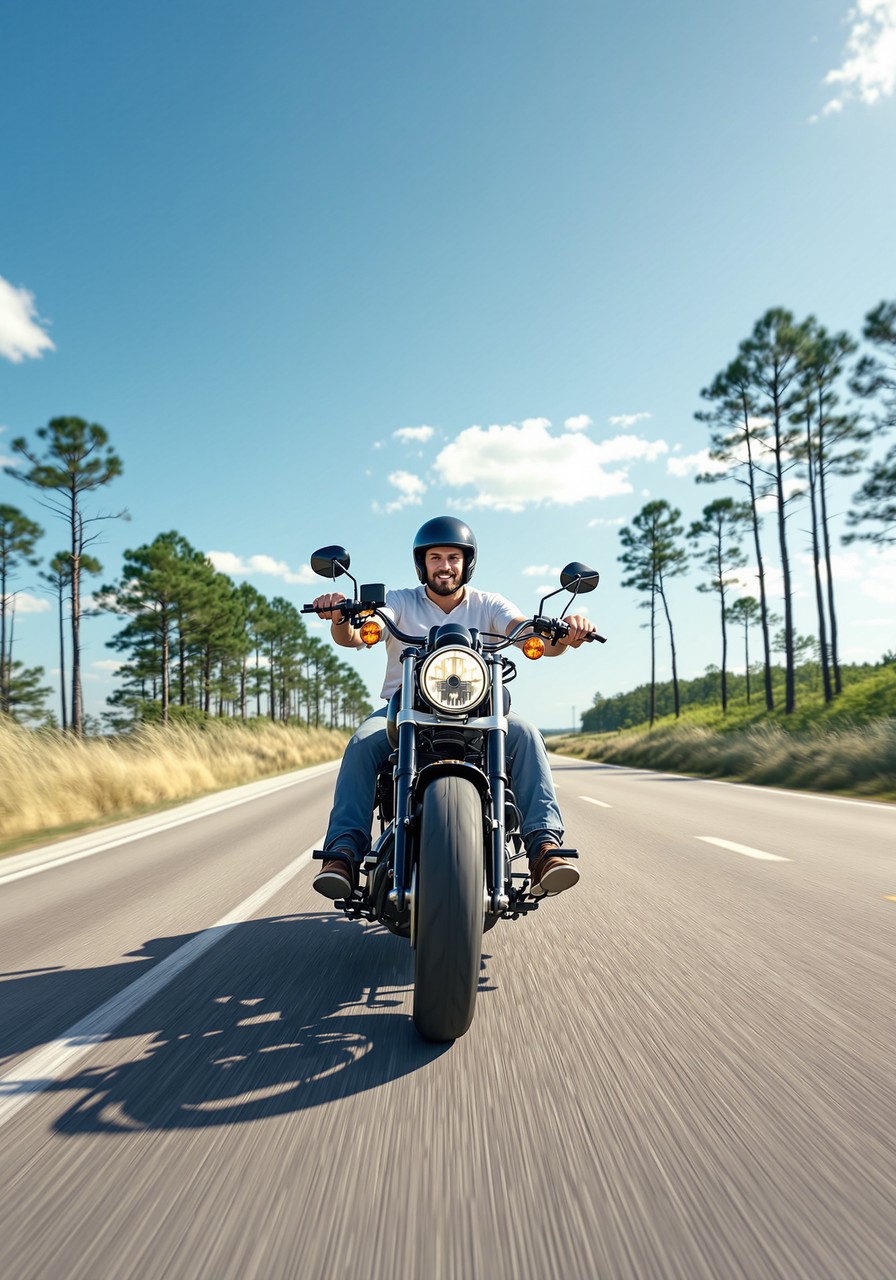
Winter here means chasing a warm blue sky day between the cold snaps. When the Gulf shows up, so do we. #RideNationAL #GulfCoastRiders #AlabamaRiders
Gear & New Iron
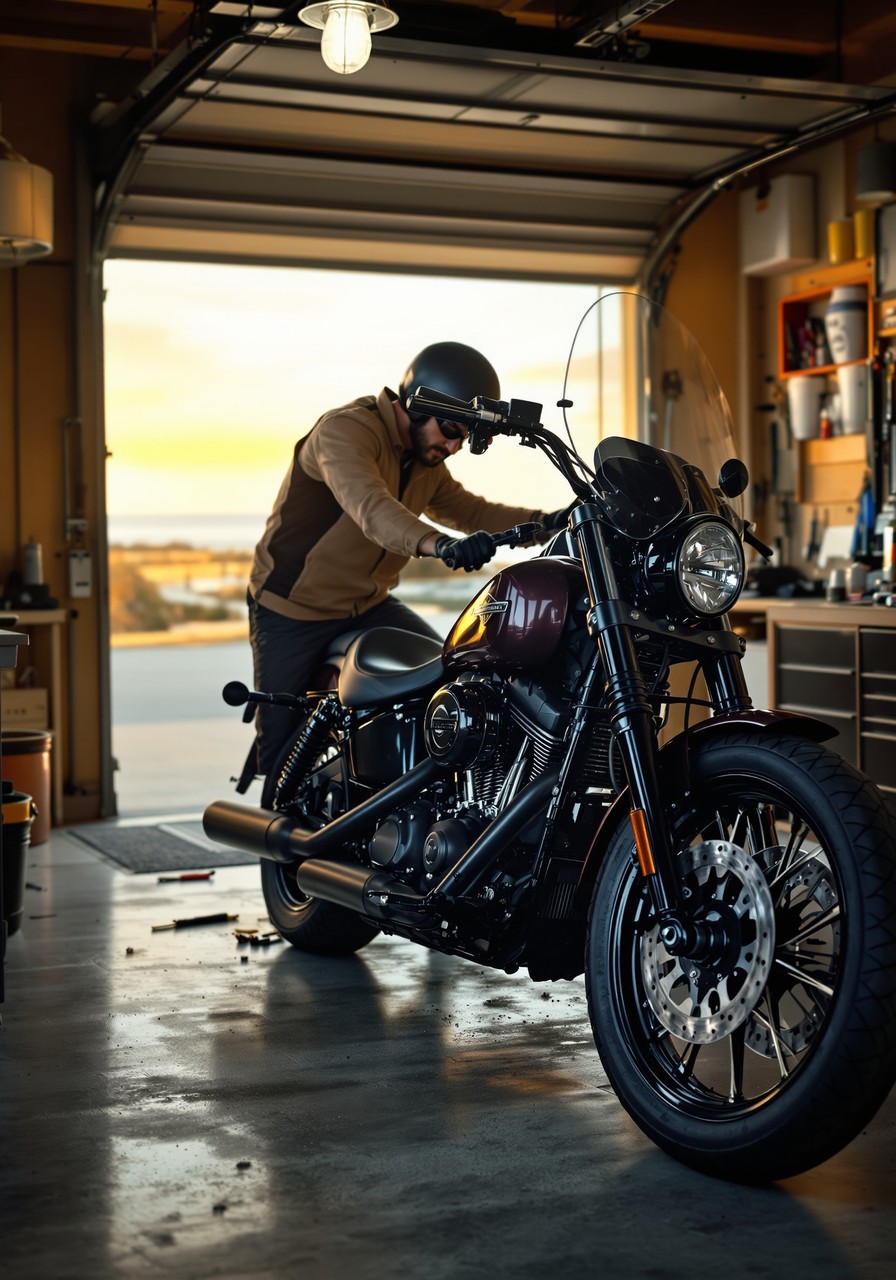
CE-rated armor beats foam pads every time. Look for CE Level 1 or 2 in the shoulders, elbows, and back before you buy that jacket. #RideNationAL #ATGATT #GearUp
Safety & AL Law
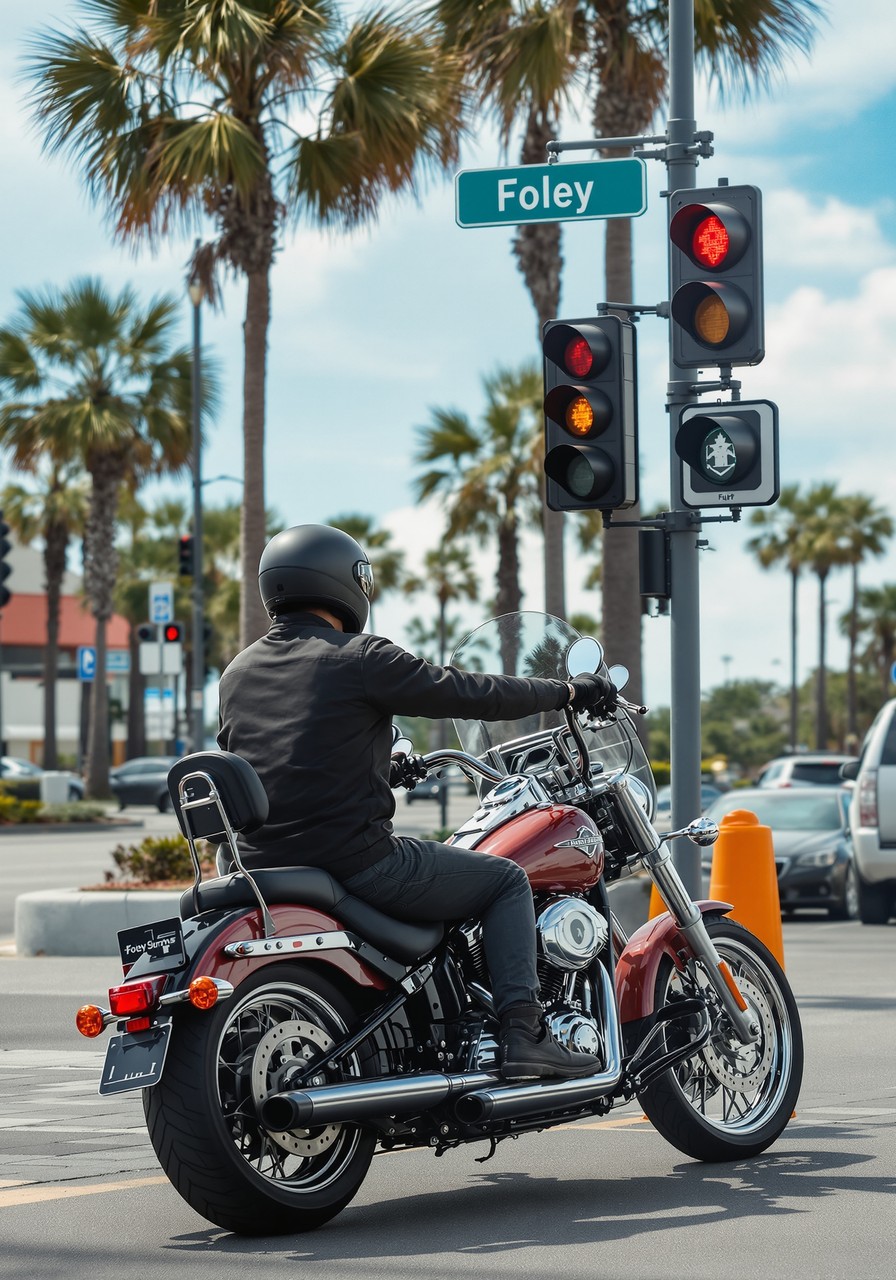
Every rider and passenger in Alabama must wear a DOT helmet. No exceptions, no arguments. It is the law and it is the smart play on the Gulf Coast. #RideNationAL #ATGATT #MotorcycleSafety
Engagement
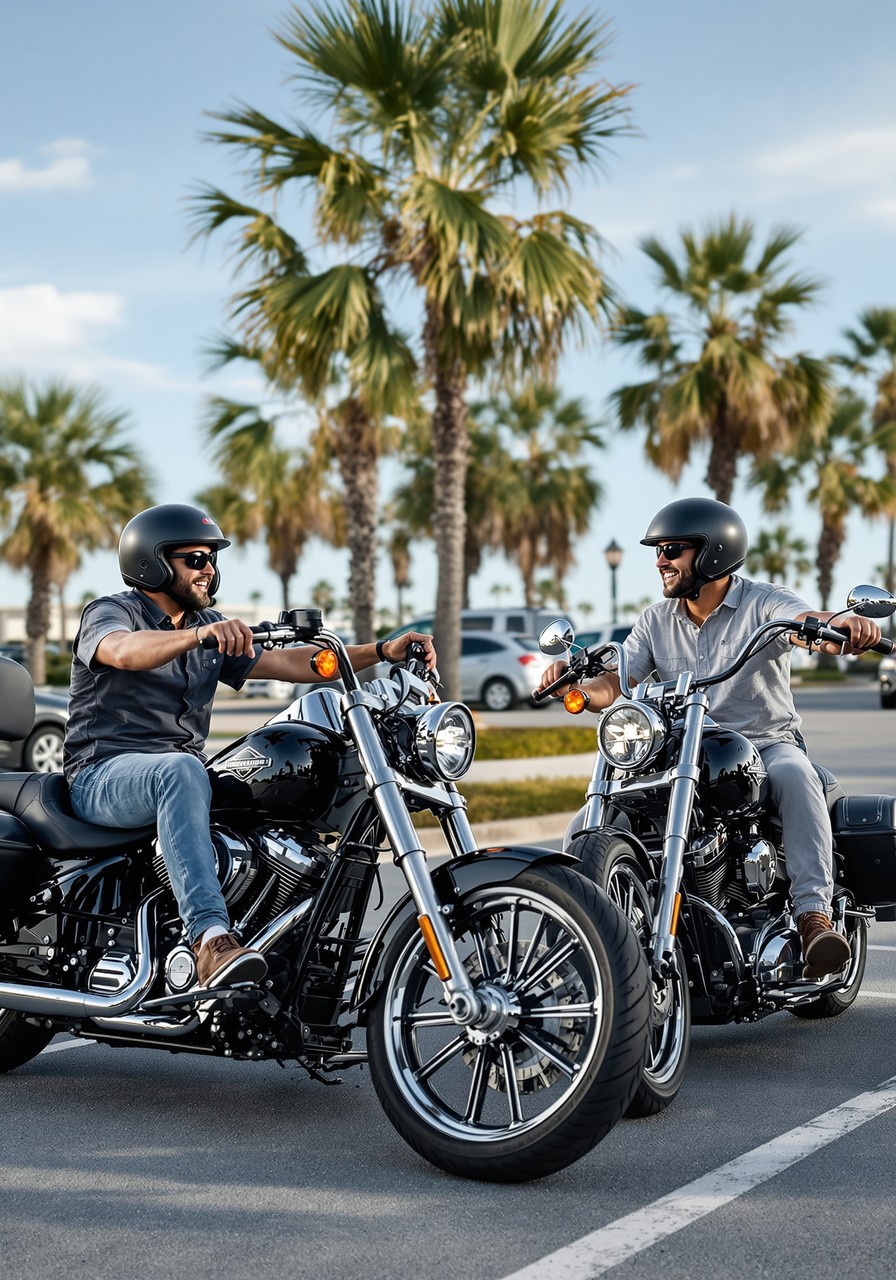
Poll: warm December beach day or crisp February morning ride. Which coast winter do you love more? #RideNationAL #TwoWheels #AlabamaRiders
Giveaway & Countdown
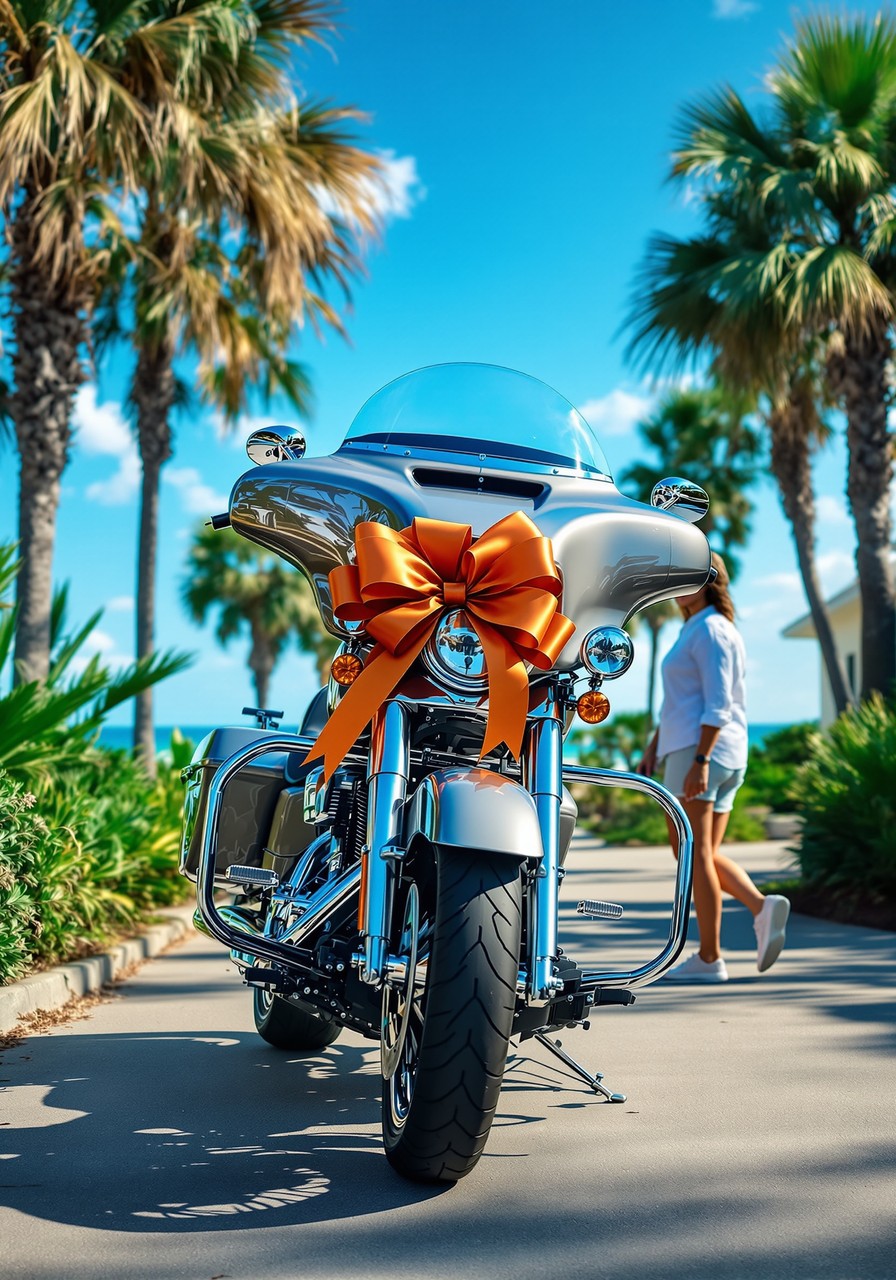
Wondering how to get in on the BikersWin giveaway? Just call and ask. A free chat about your crash enters you. (251) 269-0869. #RideNationAL #BikersWin #GulfCoastRiders
Local AL & Rides
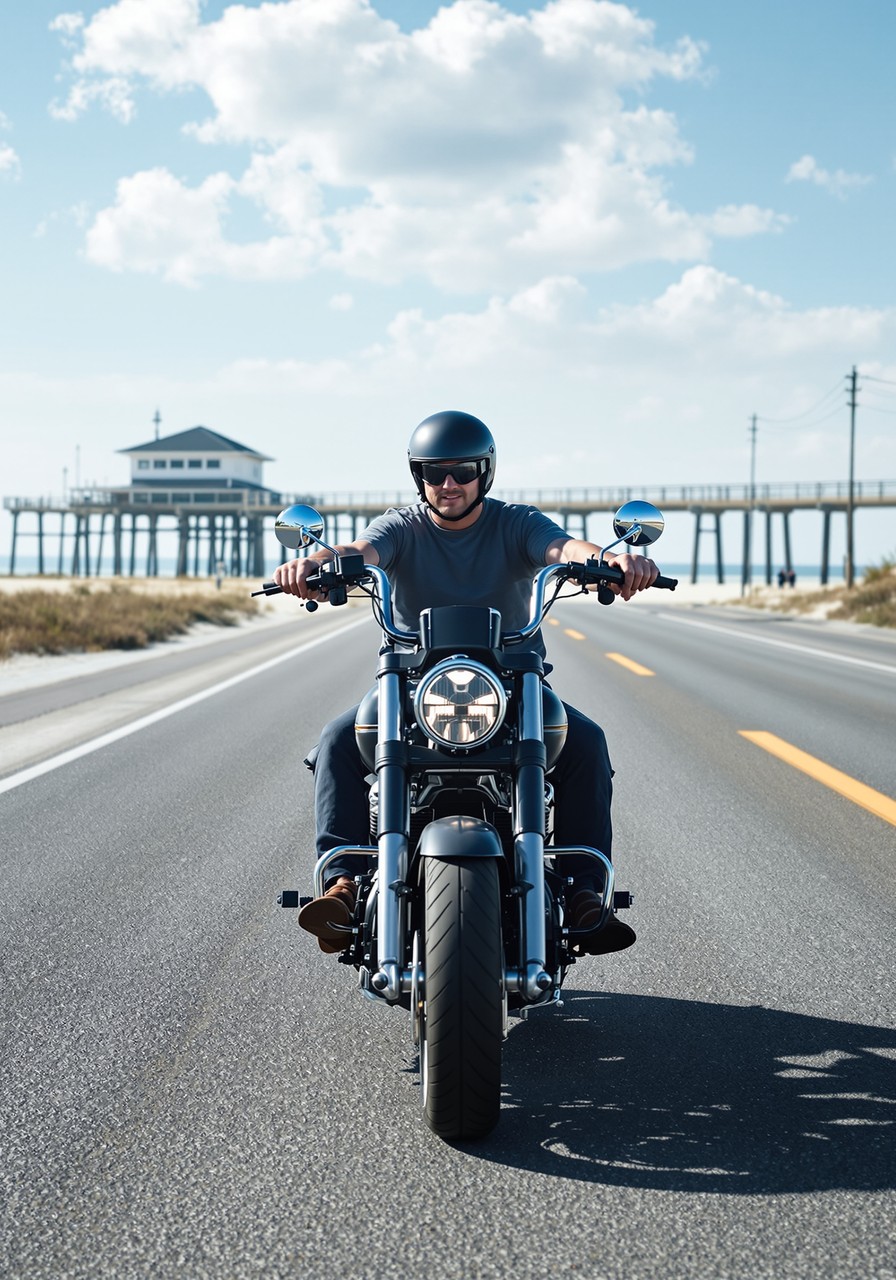
Bike night crowd growing again in Gulf Shores. Roll in early, the good spots by the water fill up fast. #RideNationAL #GulfShores #GulfCoastRiders
Gear & New Iron
Mesh gear is not weakness down here, it is smart. Airflow keeps you alert, and modern mesh still packs CE armor at the impact points. #RideNationAL #HotWeatherRiding #GearUp
Safety & AL Law
You have 2 years from the date of your crash to file in Alabama. That window closes faster than you think. Questions about your timeline? Call Noel Leonard at (251) 269-0869. #RideNationAL #KnowYourRights #AlabamaRiders
Engagement
Quick question: what is the first thing you check before every ride? #RideNationAL #GulfCoastRiders #TwoWheels
Giveaway & Countdown
No purchase, no catch. Talk to us about your wreck and you are in the running for $20,000. Call (251) 269-0869. #RideNationAL #MotorcycleGiveaway #20kGiveaway
Local AL & Rides
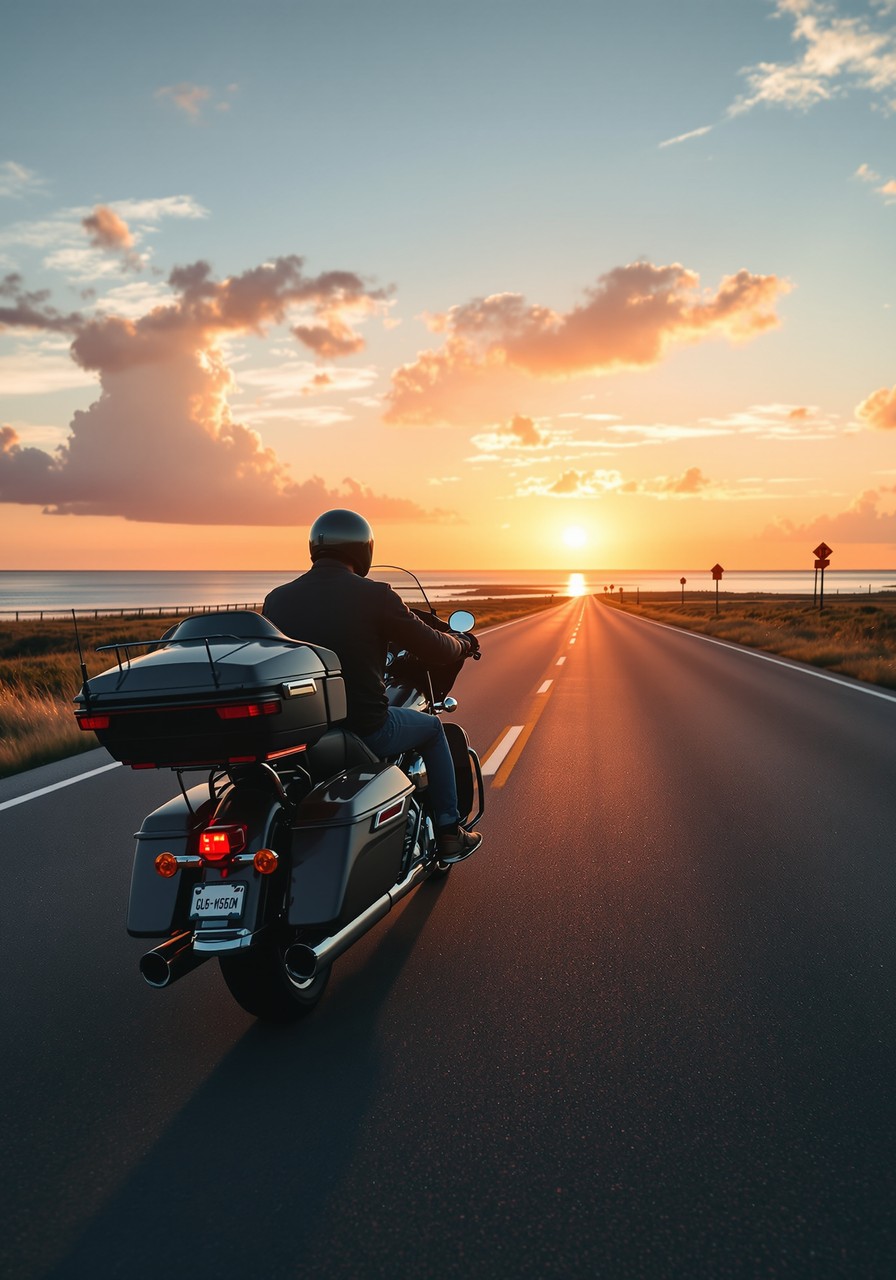
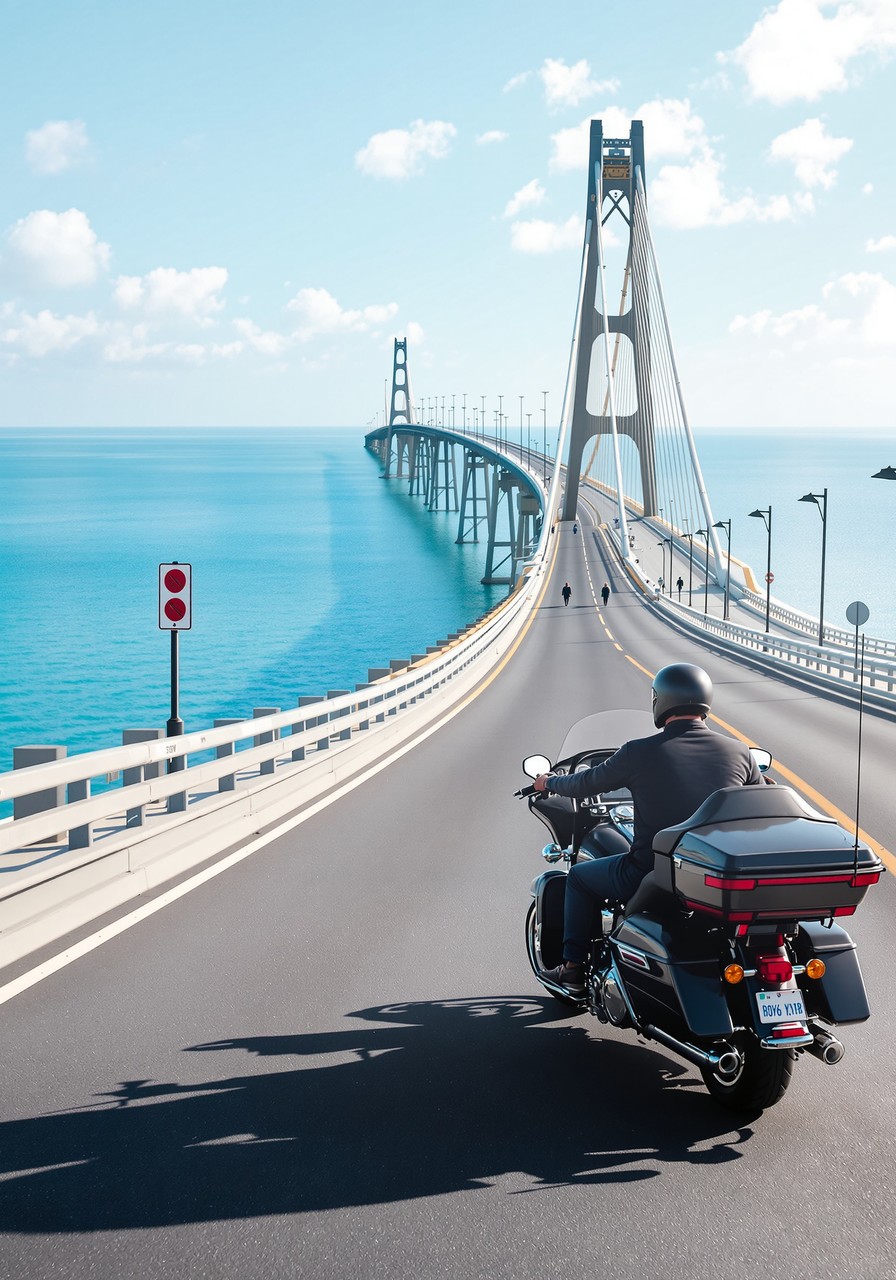
The Foley Beach Express toll bridge over the Intracoastal is a smooth arc on a clear morning. Keep your line steady in a crosswind. #RideNationAL #BaldwinCounty
Gear & New Iron
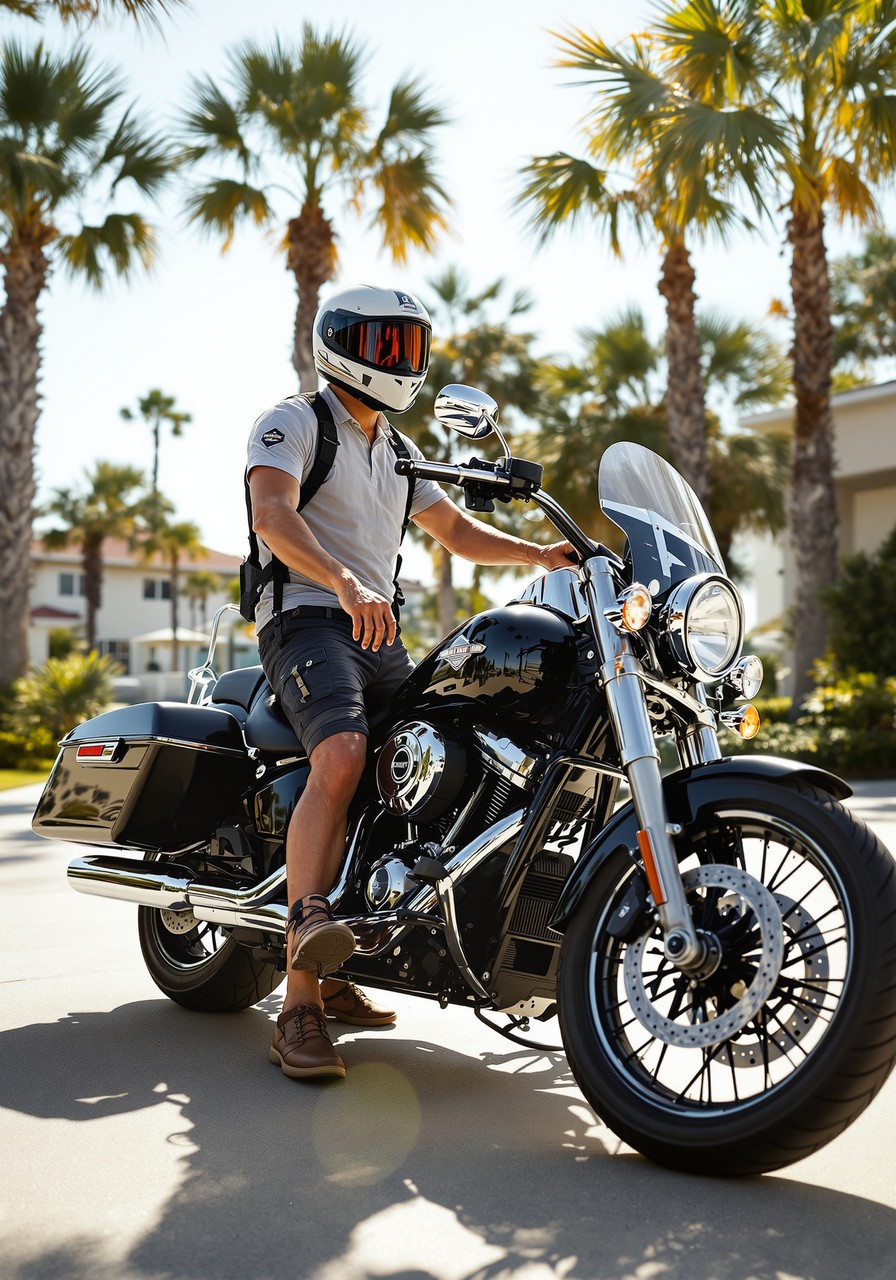
Ventilated is the word to hunt for on the Gulf Coast. If a jacket cannot breathe, you will unzip it, and unzipped gear protects nothing. #RideNationAL #HotWeatherRiding #ATGATT
Safety & AL Law
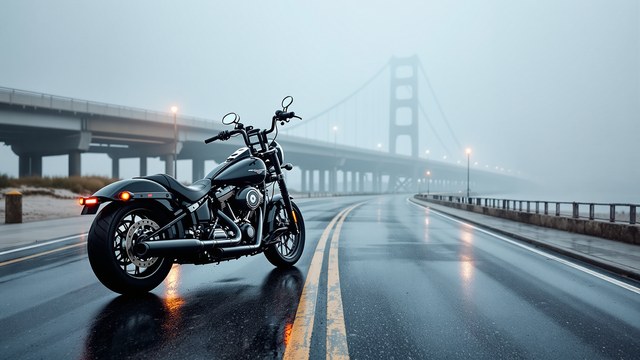
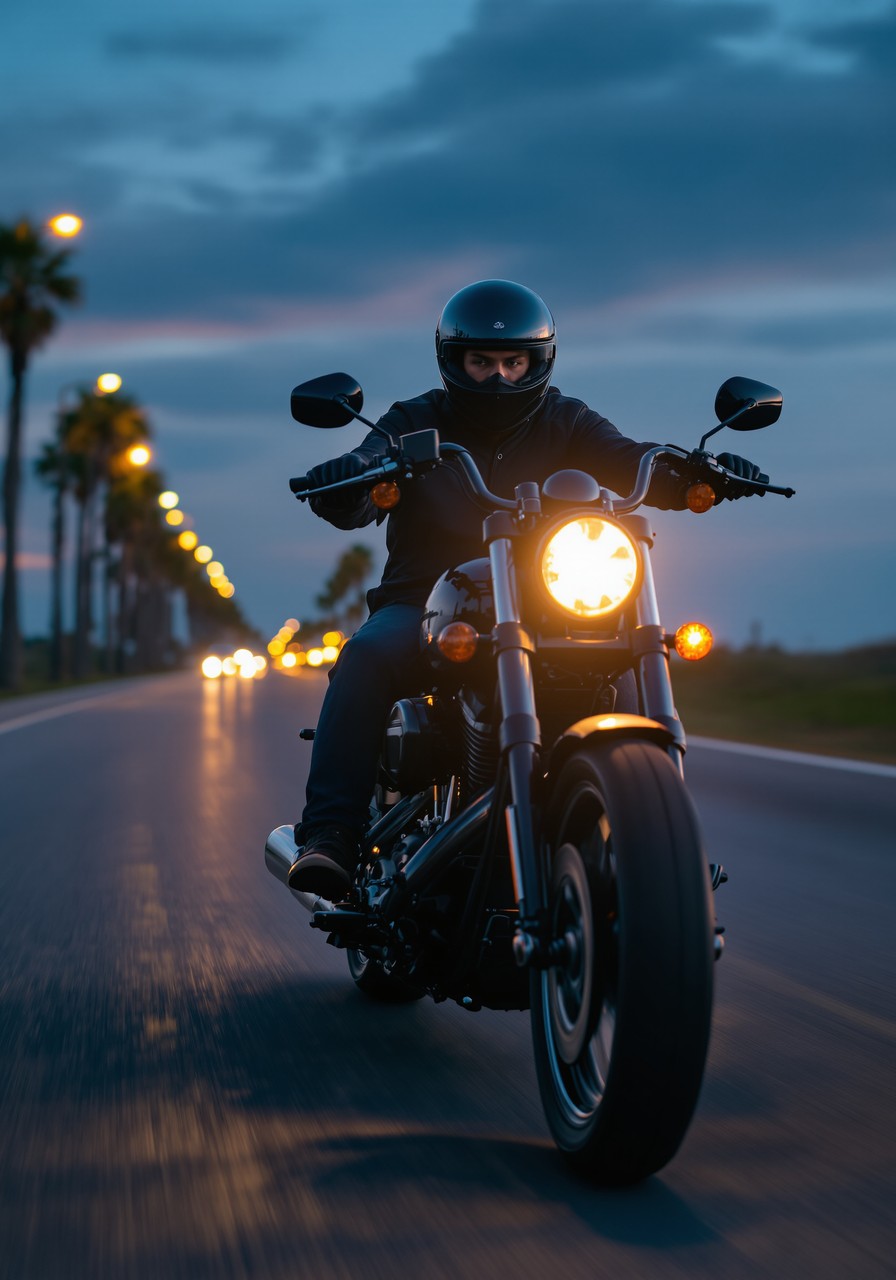
Coastal fog and sudden rain roll in fast around Foley. Back off your speed, add following distance, and if a driver still puts you down, call Noel Leonard at (251) 269-0869. #RideNationAL #MotorcycleSafety #GulfCoastRiders
Engagement
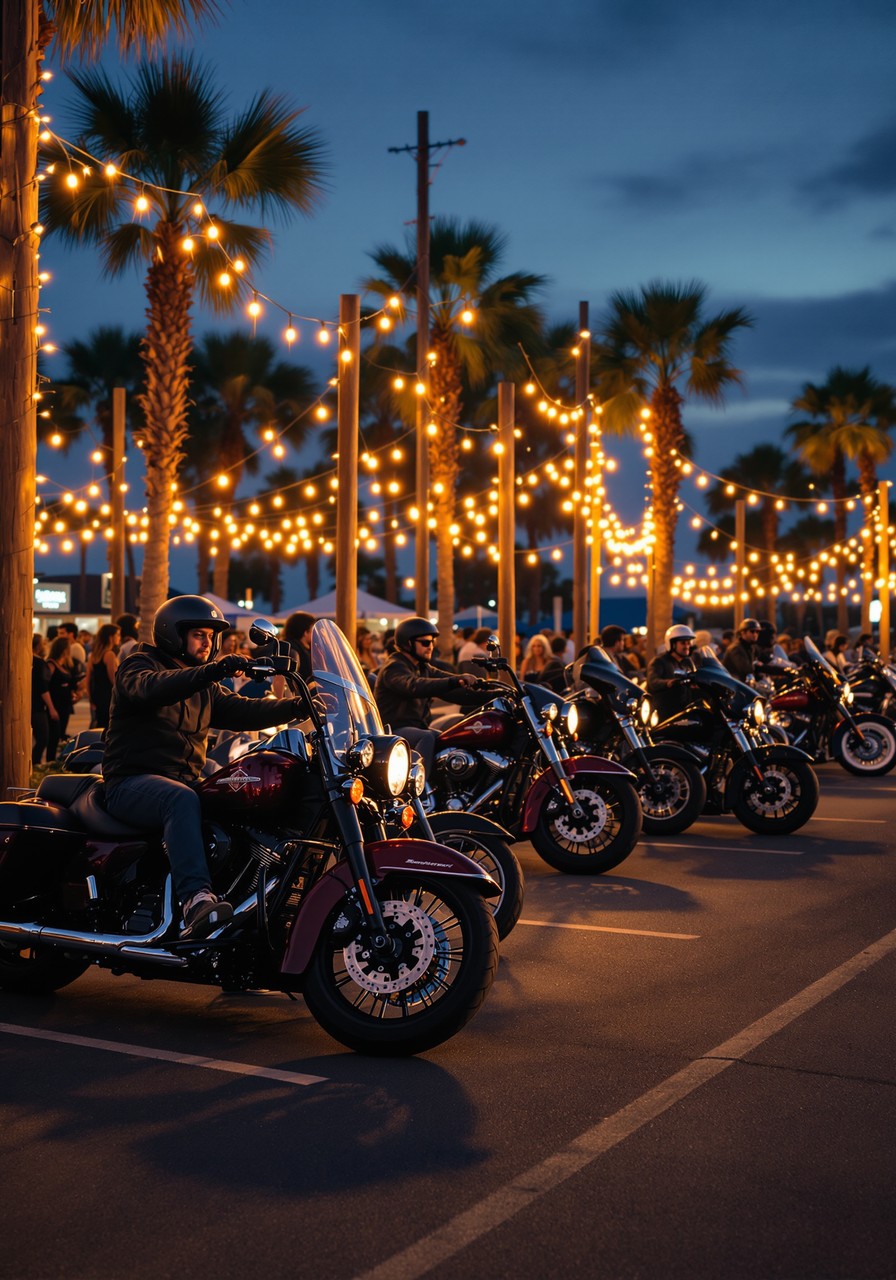
This or that: the Perdido loop or a run out to Orange Beach. Tell us your pick. #RideNationAL #OrangeBeach #GulfCoastRiders
Giveaway & Countdown
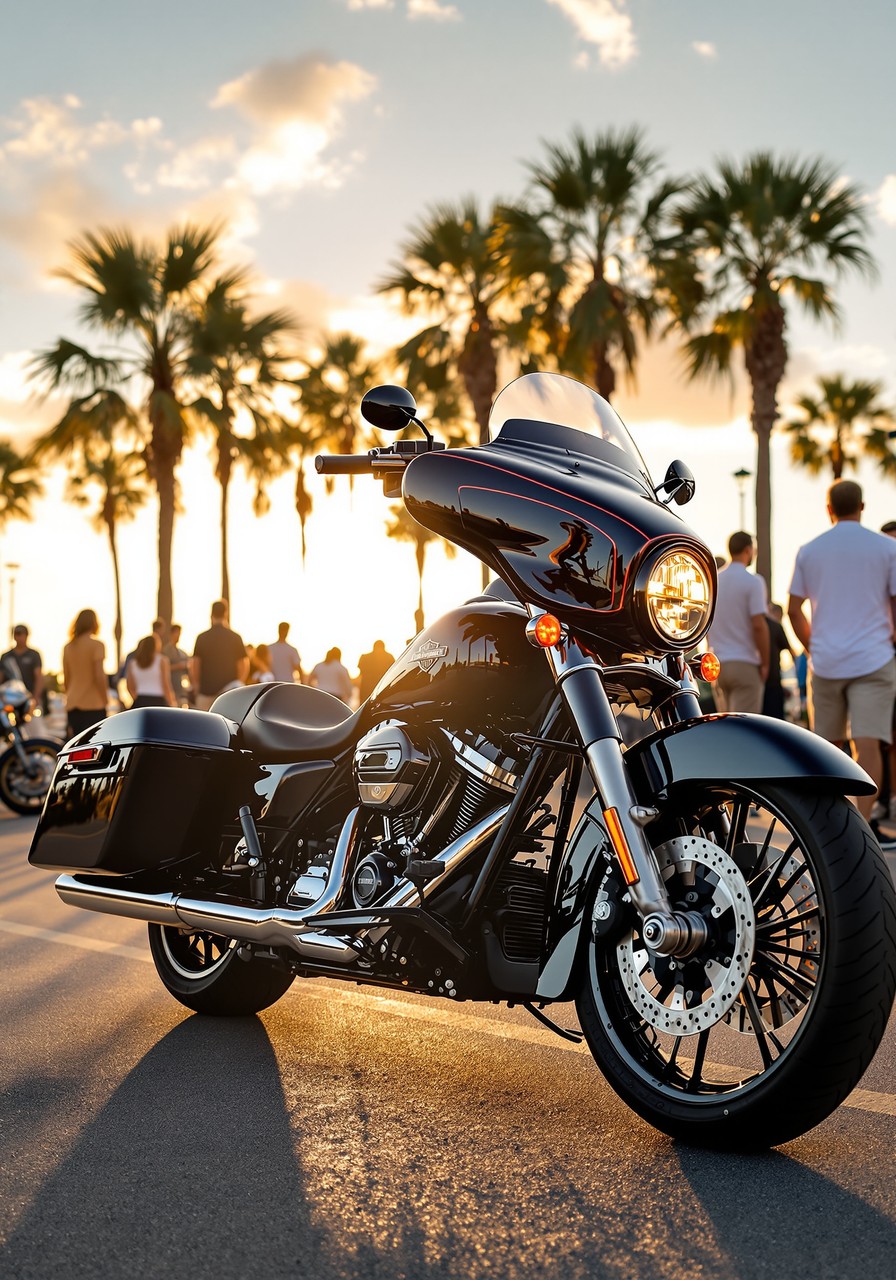
Riders, your free entry is one phone call away. Ask Noel Leonard how the BikersWin giveaway works at (251) 269-0869. #RideNationAL #BikersWin #AlabamaRiders
Local AL & Rides
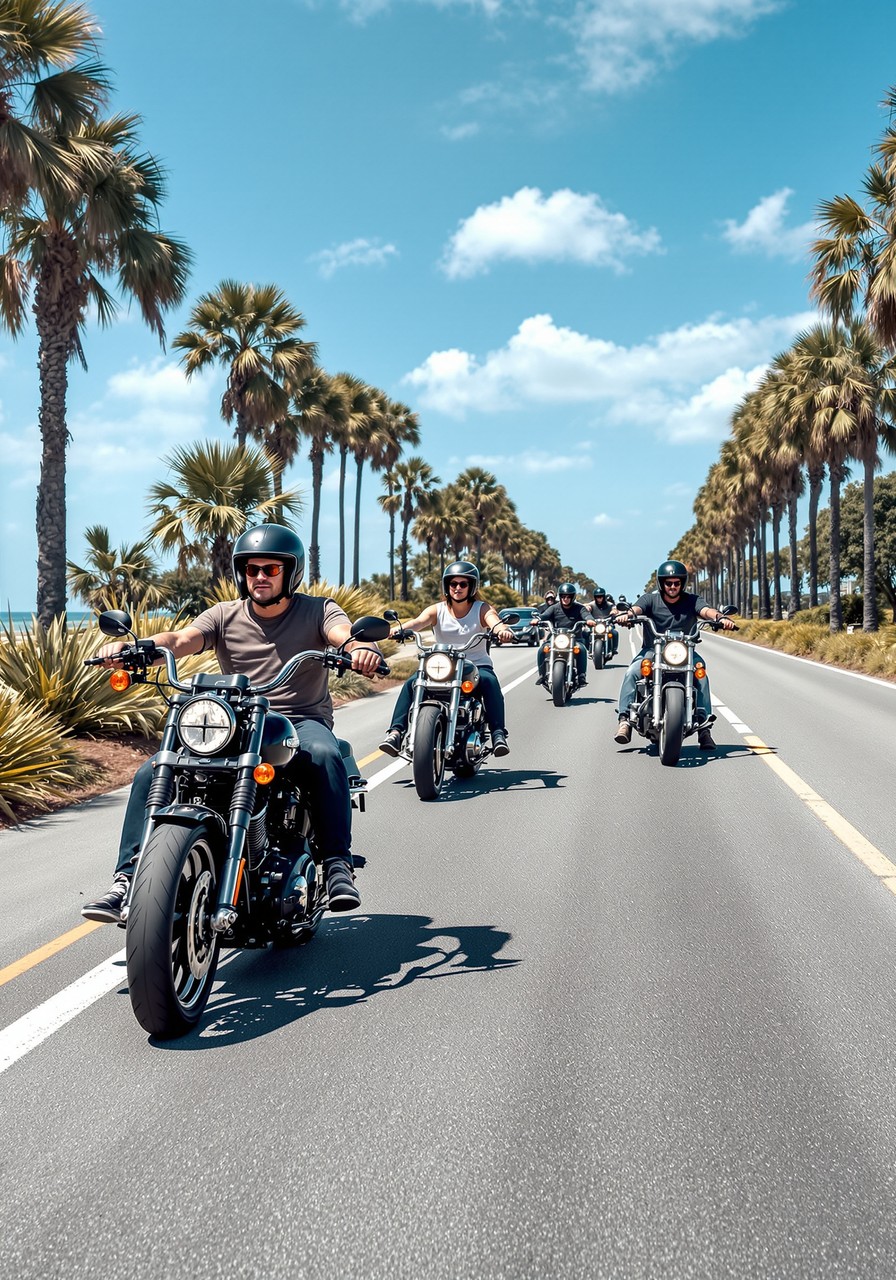
Snowbird season is here. Rental cars stopping short at every beach turnoff on AL-182. Leave extra room and keep your eyes up. #RideNationAL #GulfShores
Gear & New Iron
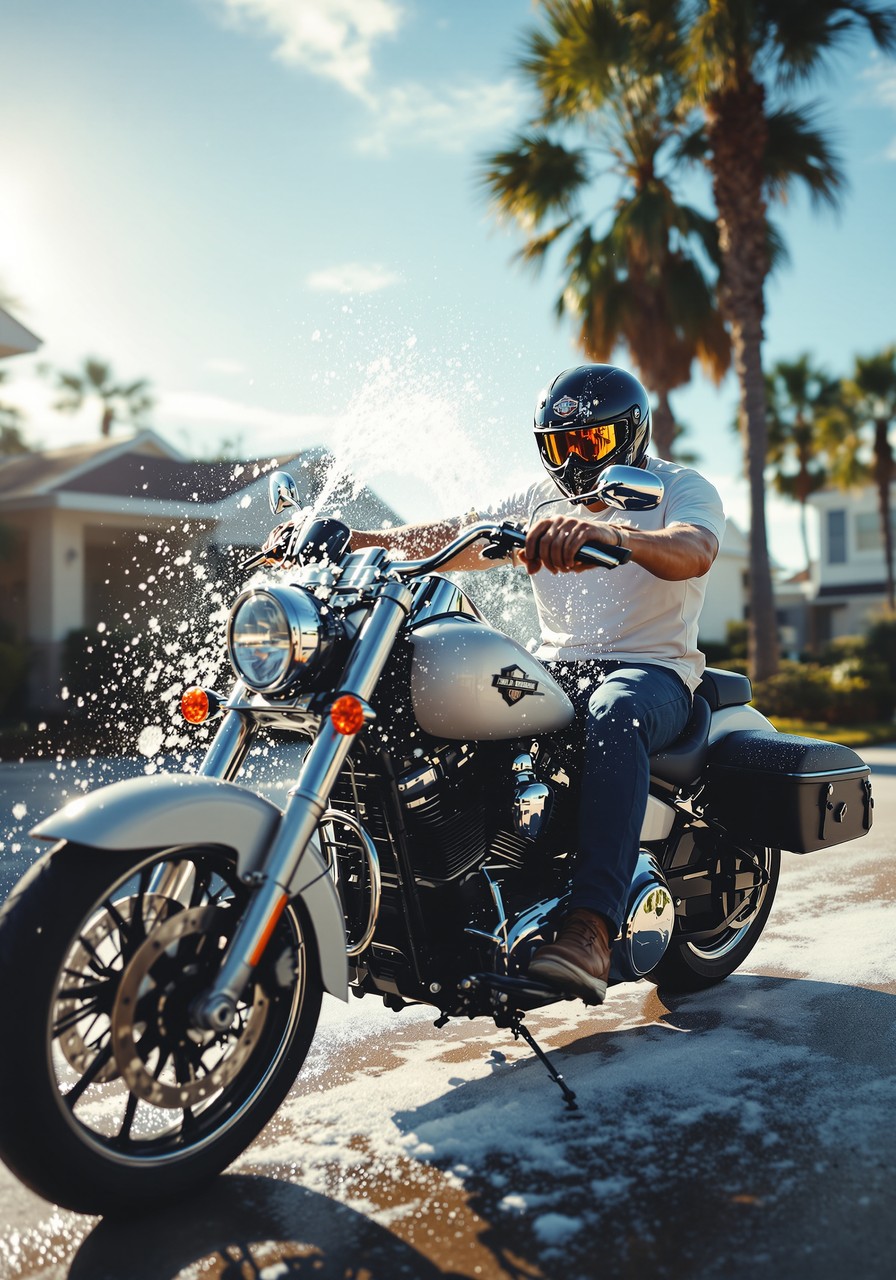
Full-finger gloves, always. Your hands go out first in a spill, and road rash on palms sidelines you for weeks. Armored knuckles are worth it. #RideNationAL #GearUp #ATGATT
Safety & AL Law
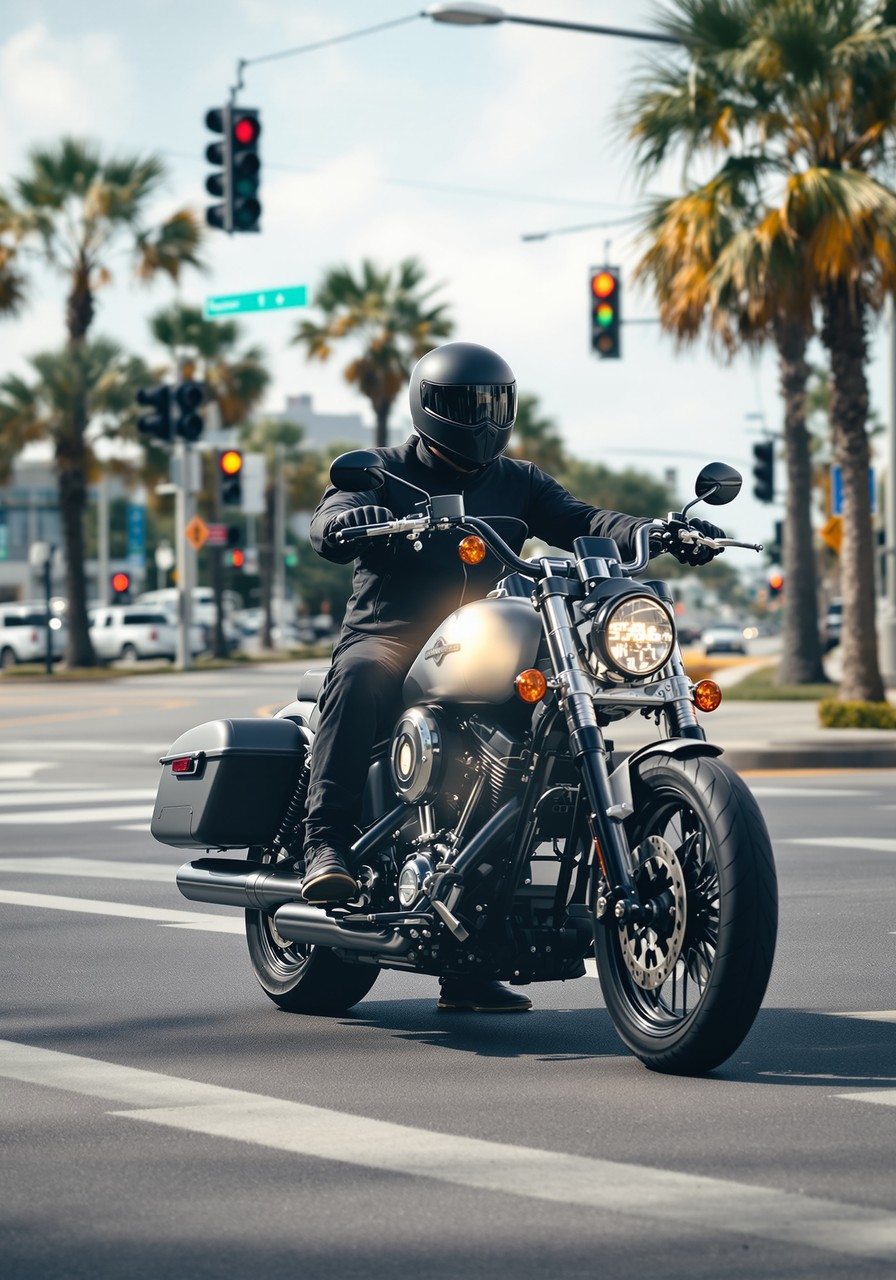
Because Alabama is pure contributory negligence, one small mistake on your part can end your whole claim. Photos, witnesses, and a police report protect you. Call Noel Leonard at (251) 269-0869. #RideNationAL #RiderRights #KnowYourRights
Engagement
Finish the sentence: I ride the Gulf Coast because ______. #RideNationAL #AlabamaRiders #TwoWheels
Giveaway & Countdown
Got hurt on two wheels? Let us review your case for free and enter you in the $20,000 giveaway. (251) 269-0869. #RideNationAL #20kGiveaway #GulfCoastRiders
Local AL & Rides
Highway 59 through Foley into Gulf Shores is the artery of the whole coast. Know your light timing and ride your own pace. #RideNationAL #BaldwinCounty #GulfCoast
Gear & New Iron
Summer gloves exist for a reason. Perforated leather or mesh keeps your grip dry so your hands do not slide on the bars in the humidity. #RideNationAL #HotWeatherRiding #RiderTips
Safety & AL Law
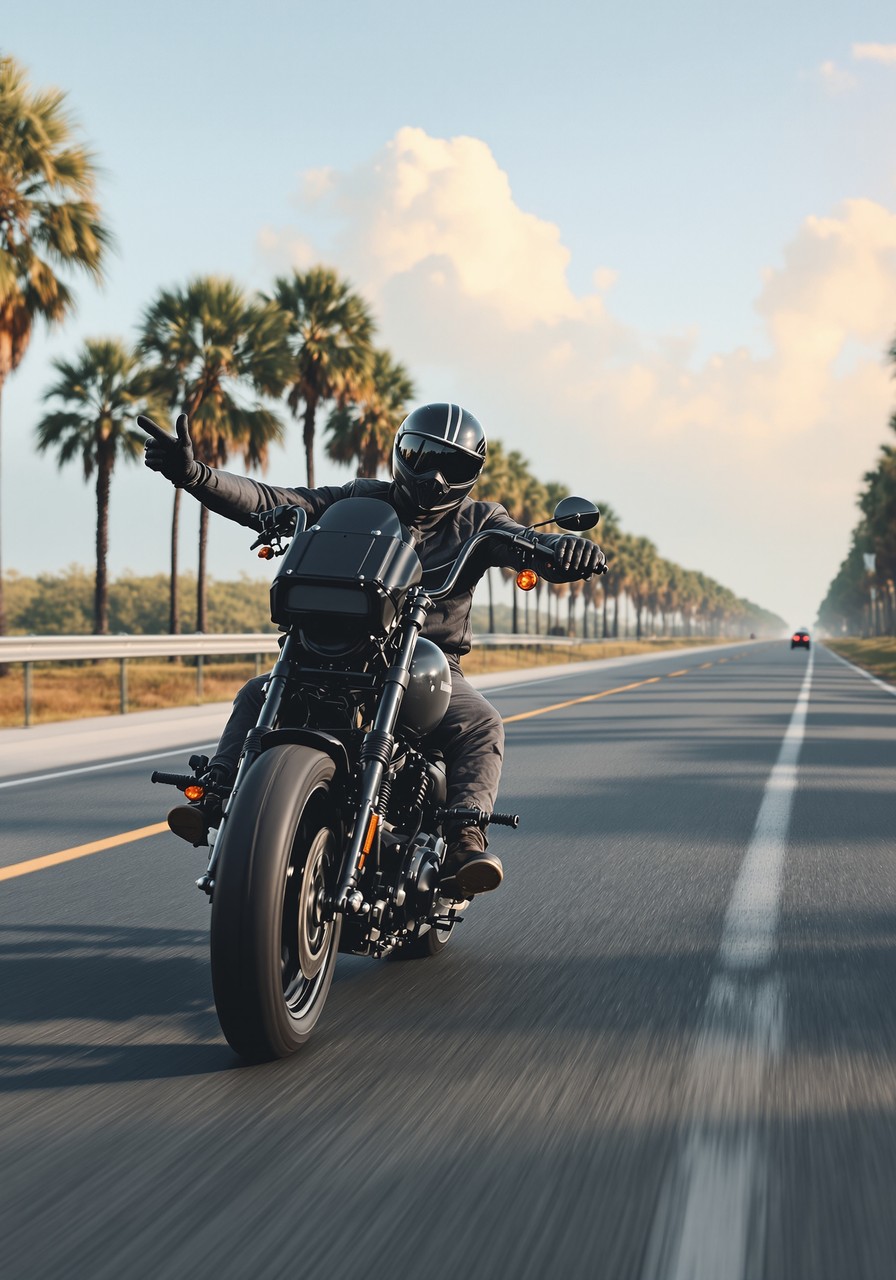
Snowbird and tourist season means drivers who do not know these roads and are watching their GPS instead of you. Ride defensive and give yourself an out. #RideNationAL #GulfCoastRiders #MotorcycleSafety
Engagement
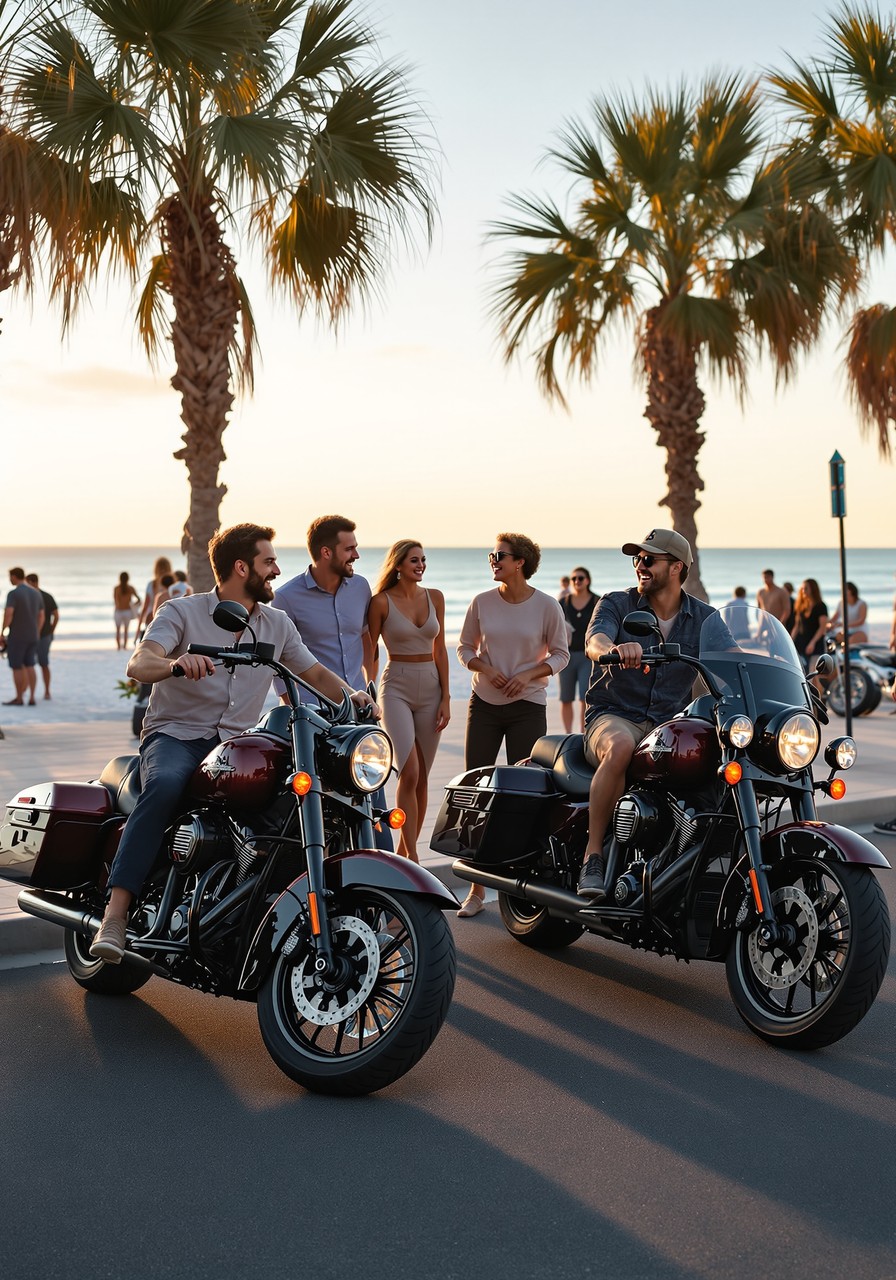
Tag the friend you would call for a spur-of-the-moment beach run this weekend. #RideNationAL #GulfShores #RideOrDie
Giveaway & Countdown
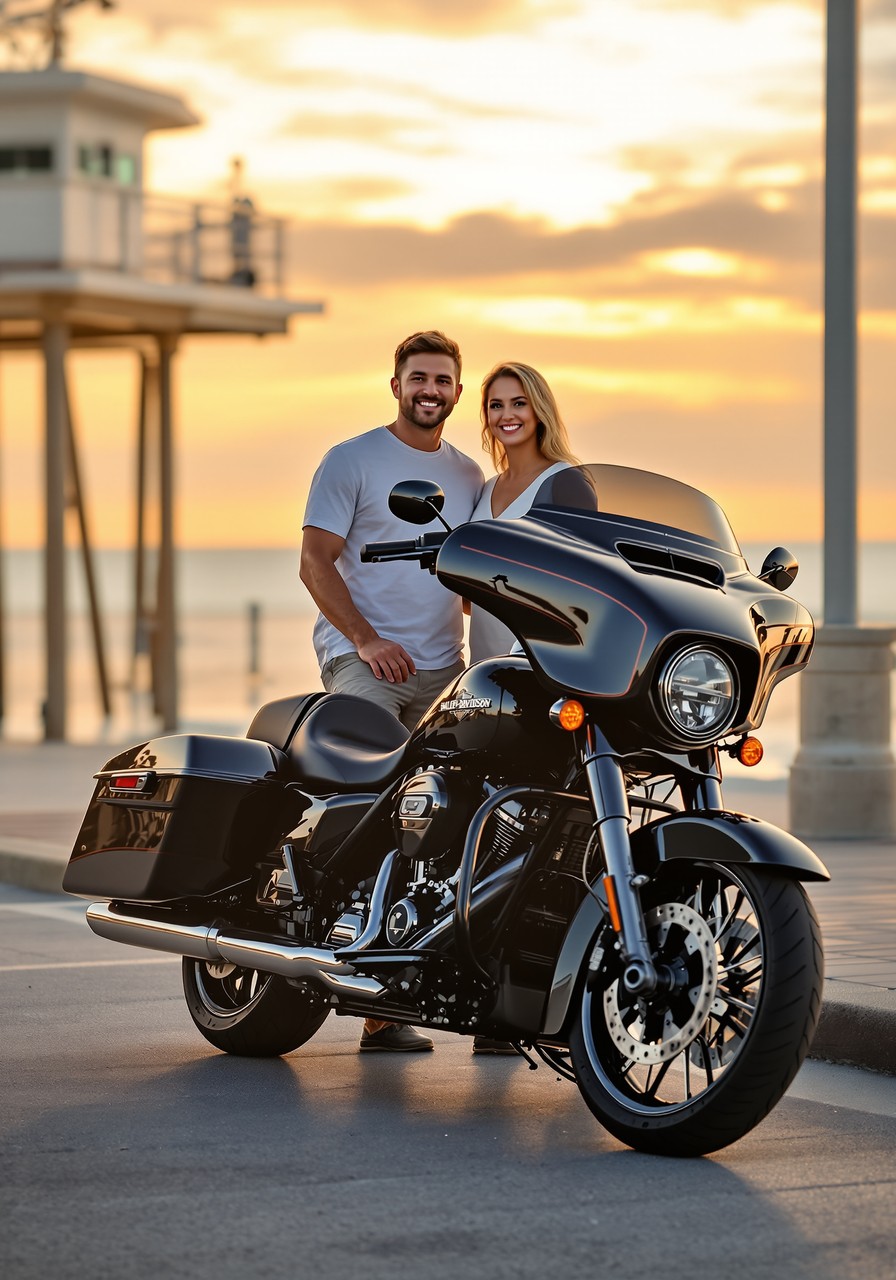
The countdown is running and so is your chance. Call (251) 269-0869 to enter the BikersWin $20,000 giveaway, free. #RideNationAL #BikersWin #MotorcycleGiveaway
Local AL & Rides
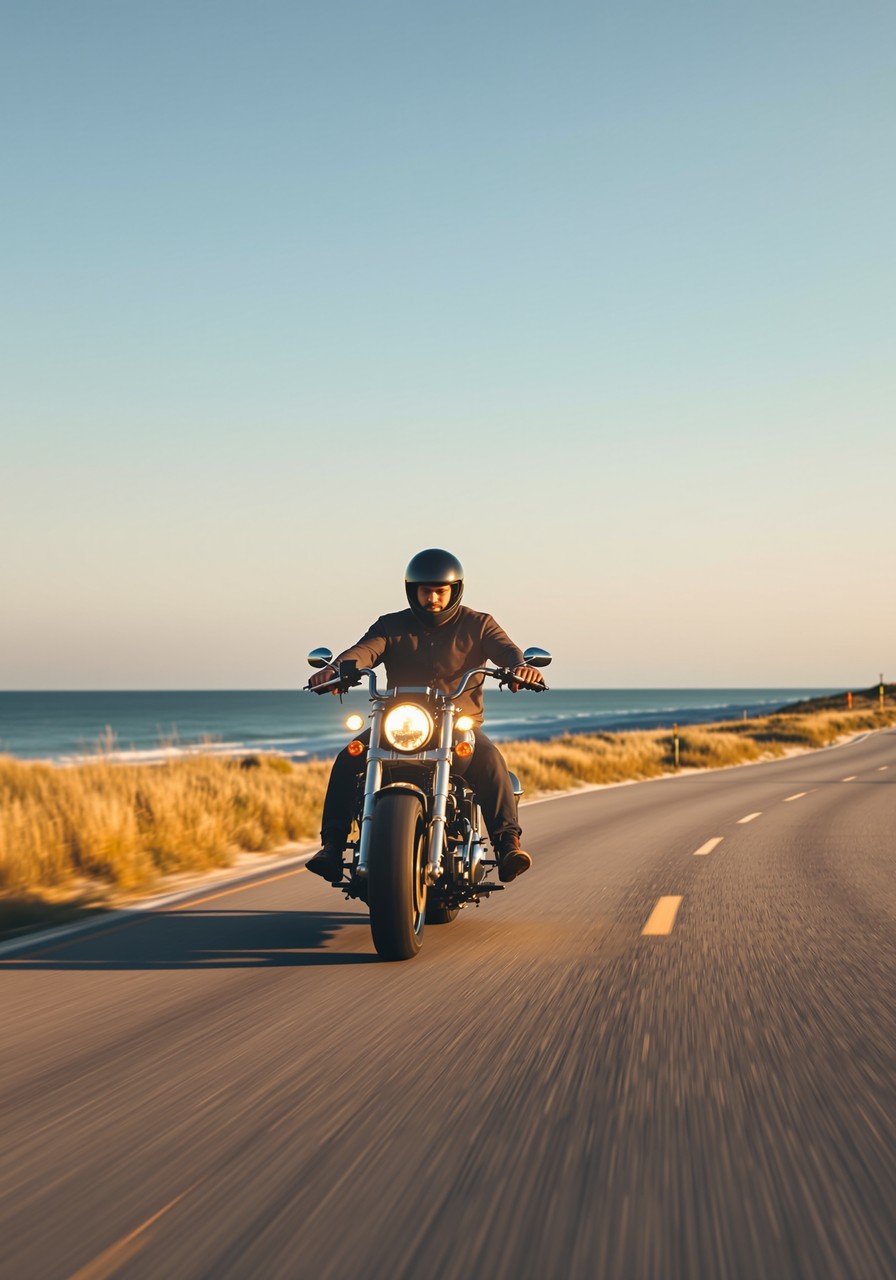
Orange Beach on a calm winter afternoon, the water flat and the traffic thin. This is why we keep the bikes ready year round. #RideNationAL #OrangeBeach
Gear & New Iron
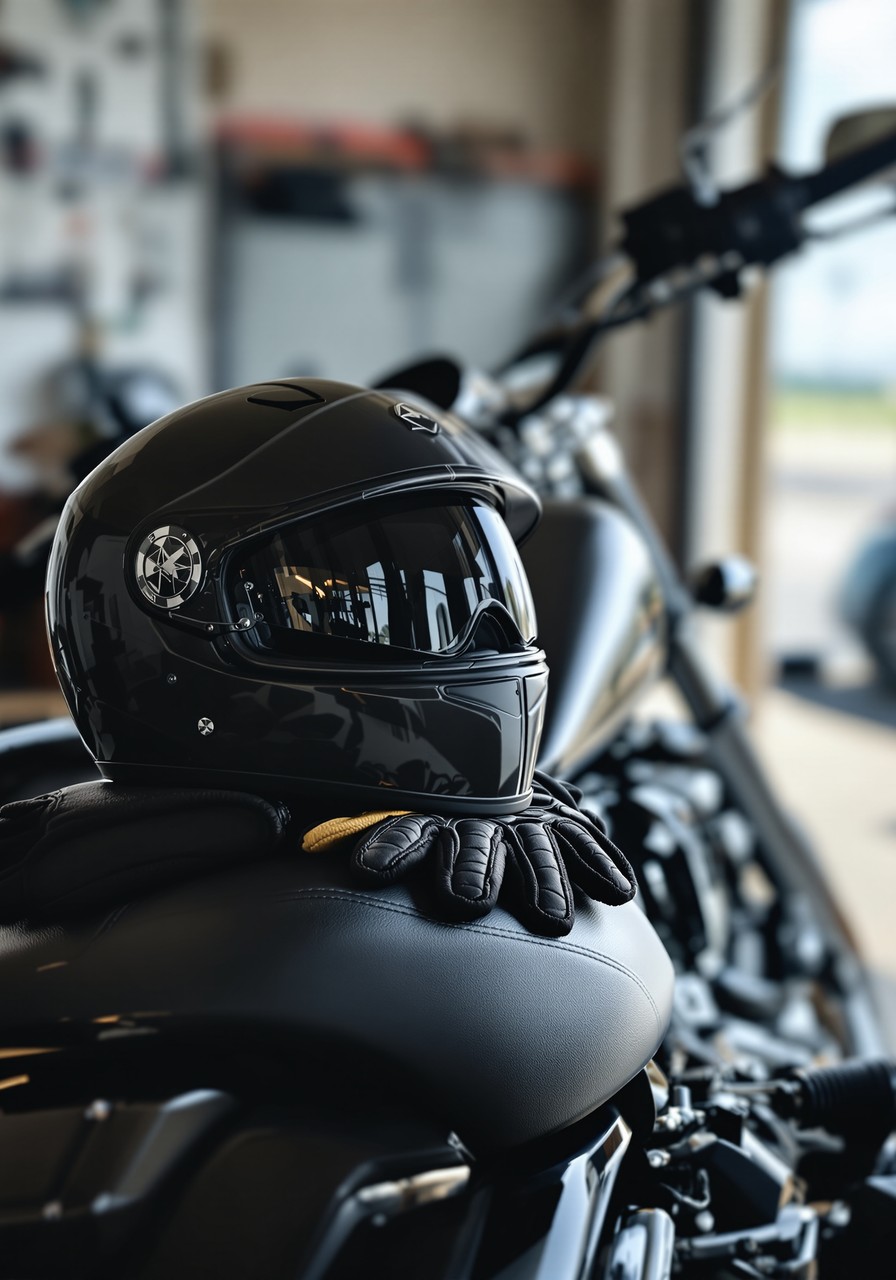
Hydrate before you feel thirsty. Gulf Coast heat and humidity drain you fast, and a dehydrated rider makes slow, sloppy decisions. #RideNationAL #HotWeatherRiding #RiderTips
Safety & AL Law
Alabama minimum liability is only 25 50 25. That does not go far after a serious motorcycle crash, which is why UM and UIM matter so much. Want a coverage check? Call Noel Leonard at (251) 269-0869. #RideNationAL #RiderRights #AlabamaRiders
Engagement
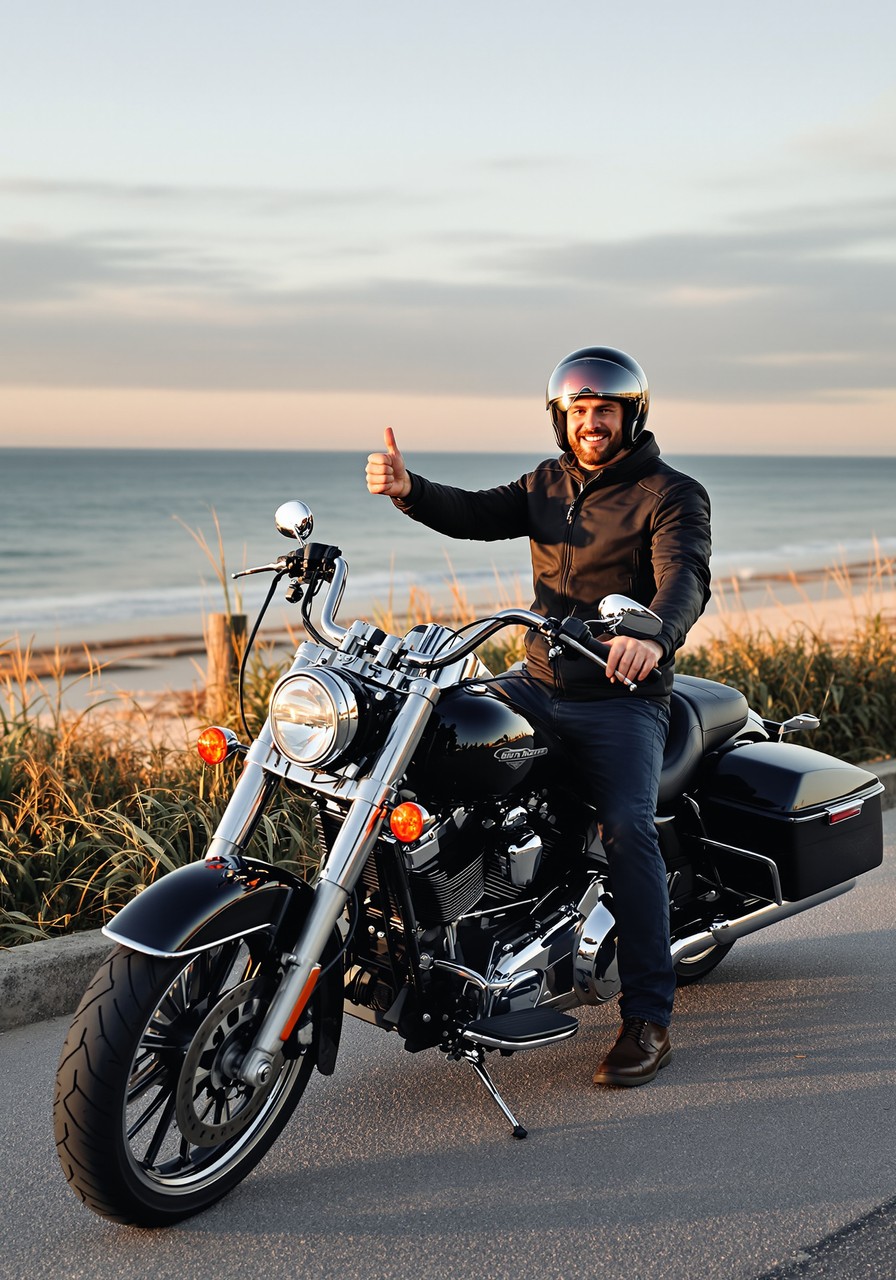
Two wheels, one question: coffee before the ride or coffee at the halfway stop? #RideNationAL #GulfCoastRiders #BaldwinCounty
Giveaway & Countdown
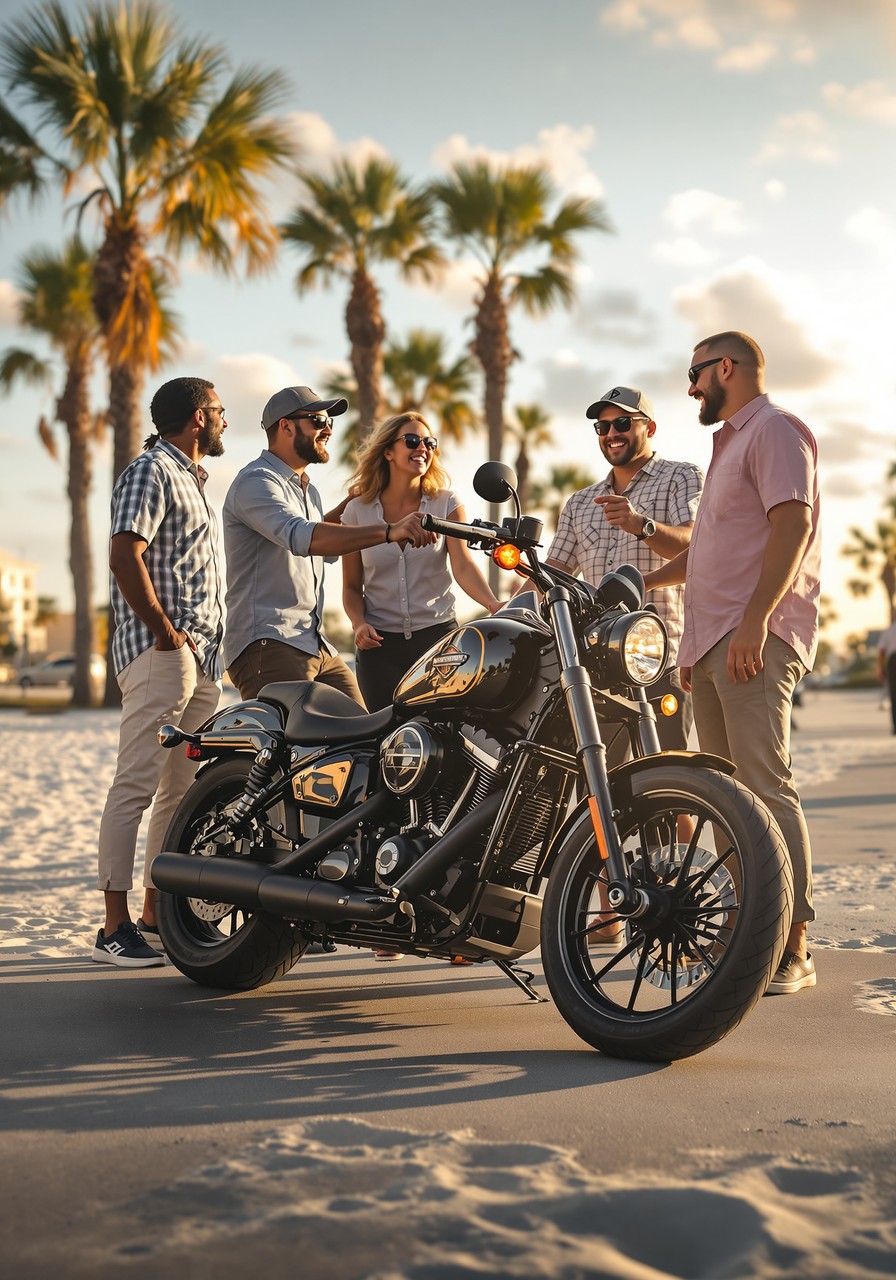
Every free case review is a free entry. Simple as that. Ask us about the giveaway at (251) 269-0869. #RideNationAL #20kGiveaway #GulfShores
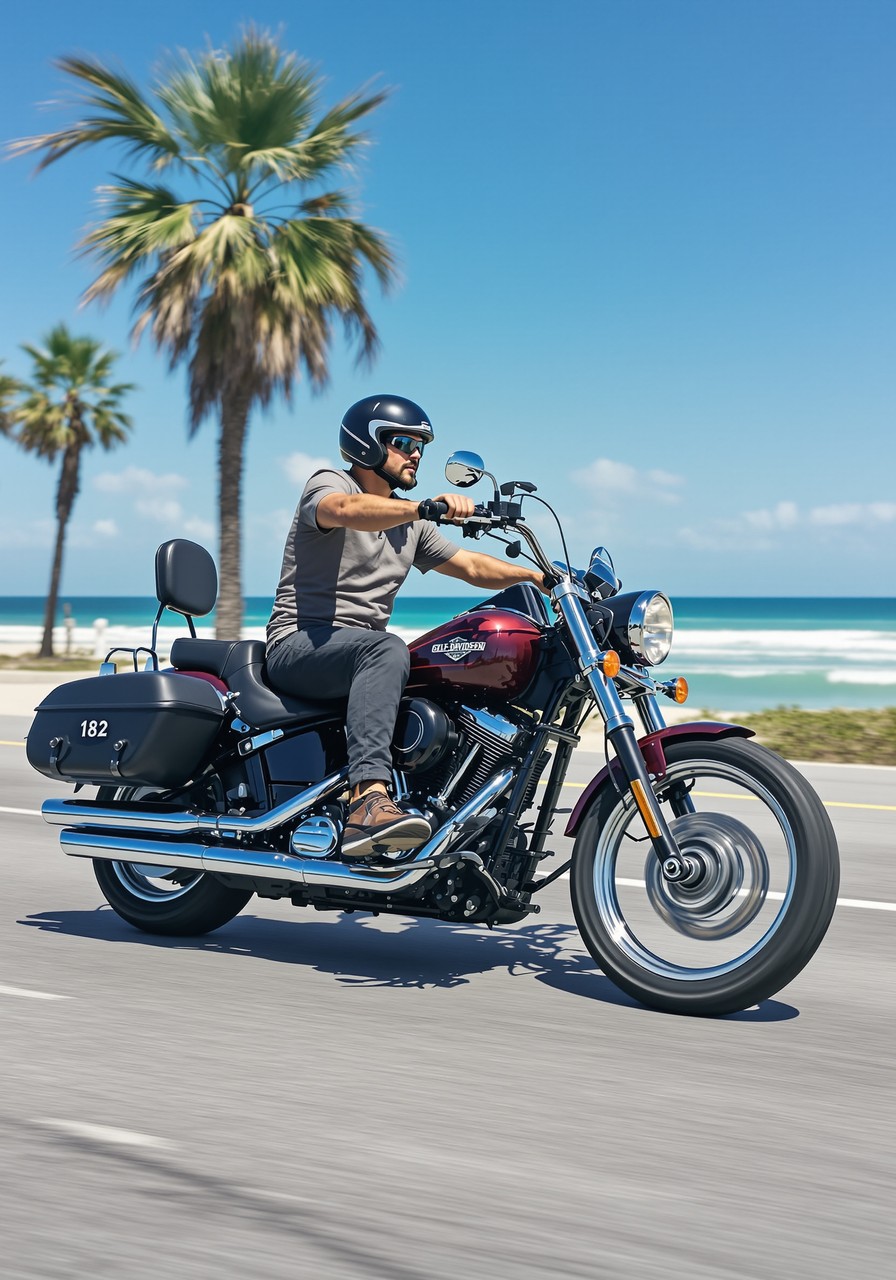
Local AL & Rides
Coastal fog can roll in thick off the Gulf before sunup. If you cannot see the next sign clearly, slow down and light up. #RideNationAL #GulfCoastRiders
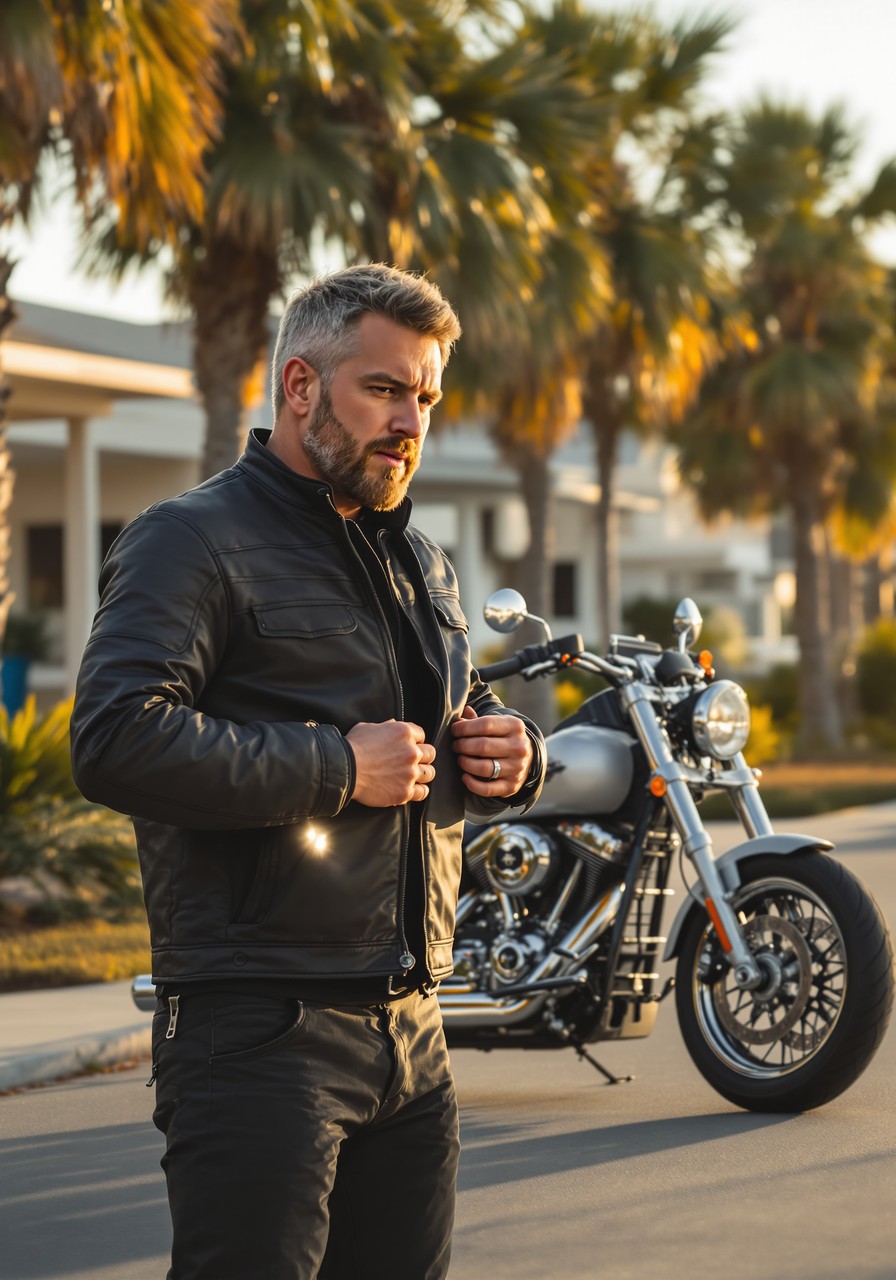
Gear & New Iron
A hydration pack beats a gas-stop soda on a long humid ride. Water on your back means you sip steady instead of crashing at mile 60. #RideNationAL #HotWeatherRiding #RiderTips
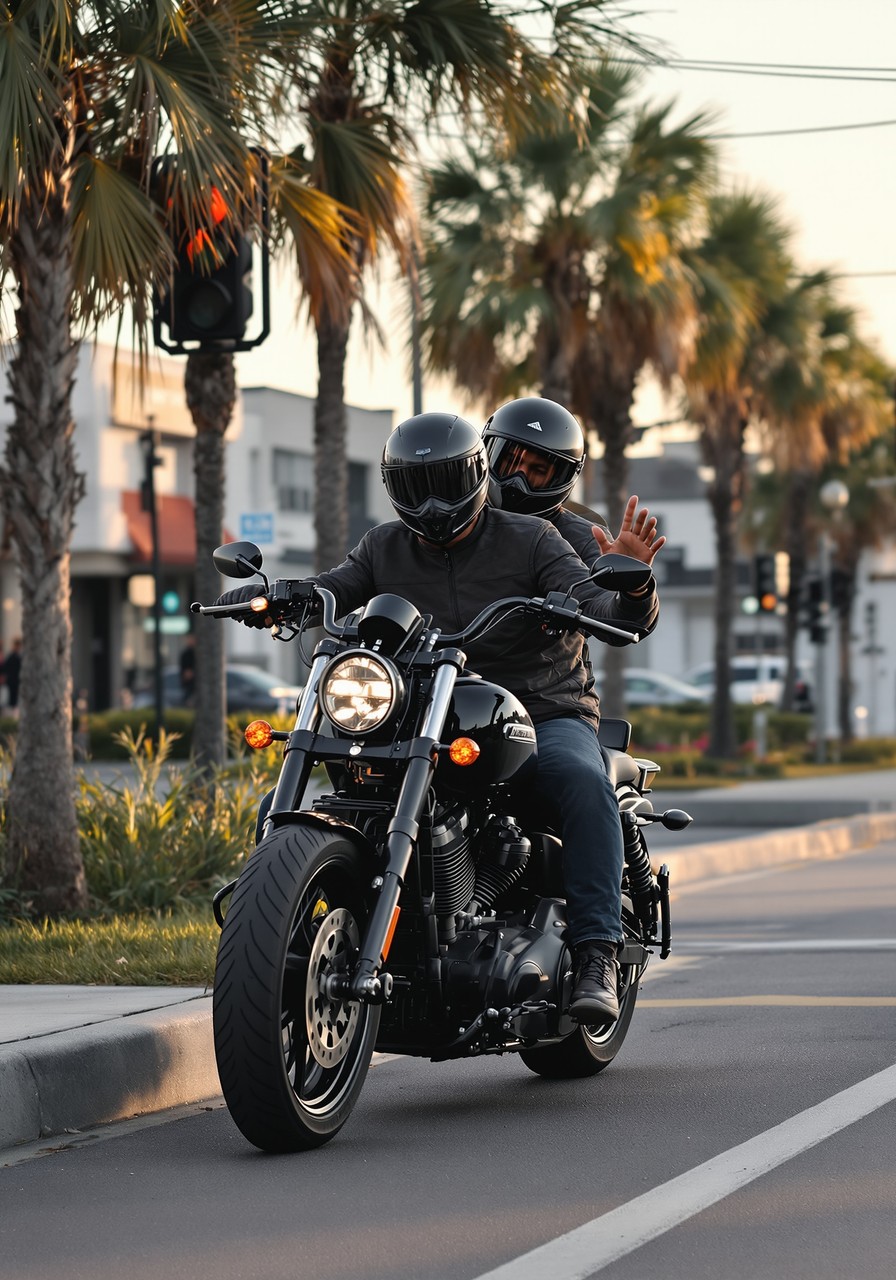
Safety & AL Law
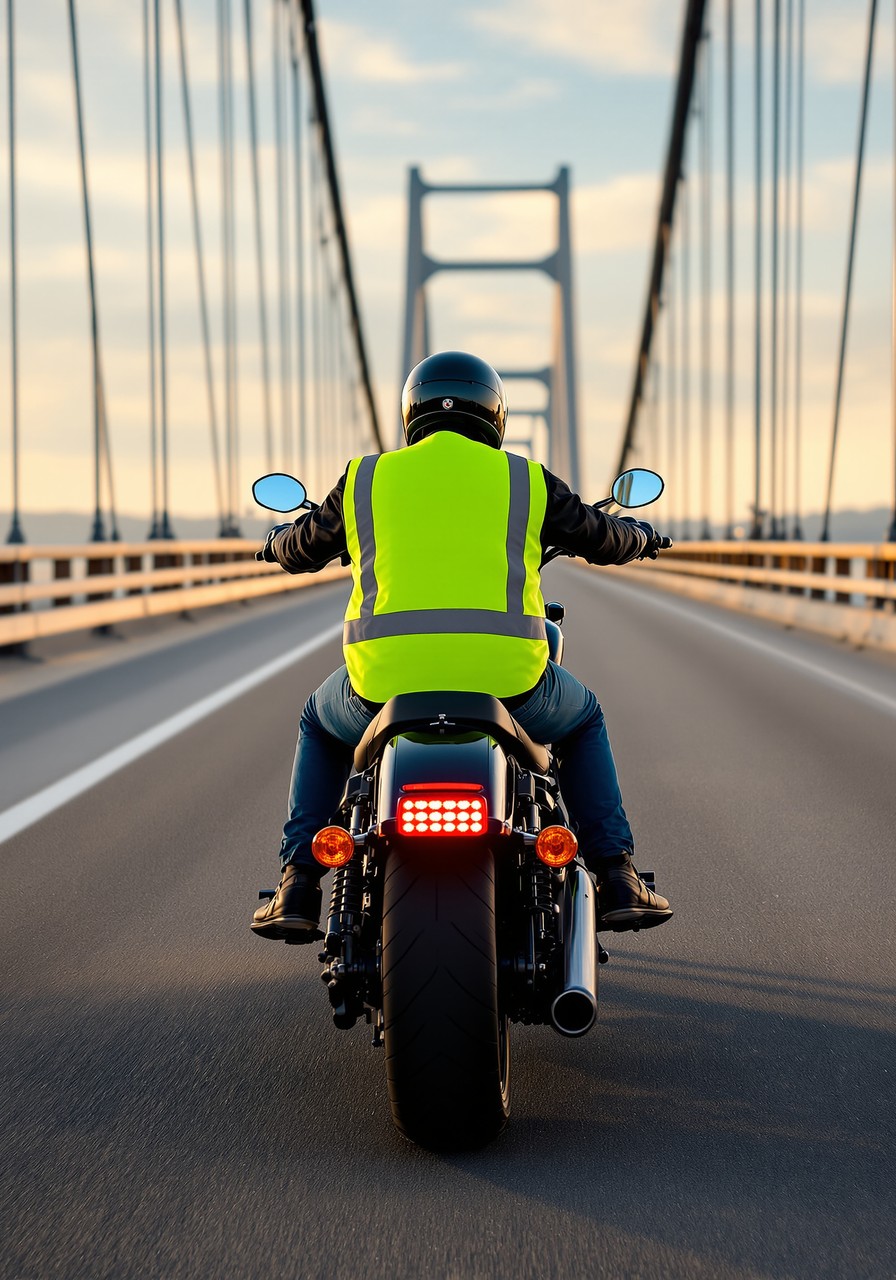
See and be seen. Bright gear, high beam in daylight, and lane position that keeps you out of blind spots. On the Gulf Coast, being visible saves lives. #RideNationAL #MotorcycleSafety #ATGATT
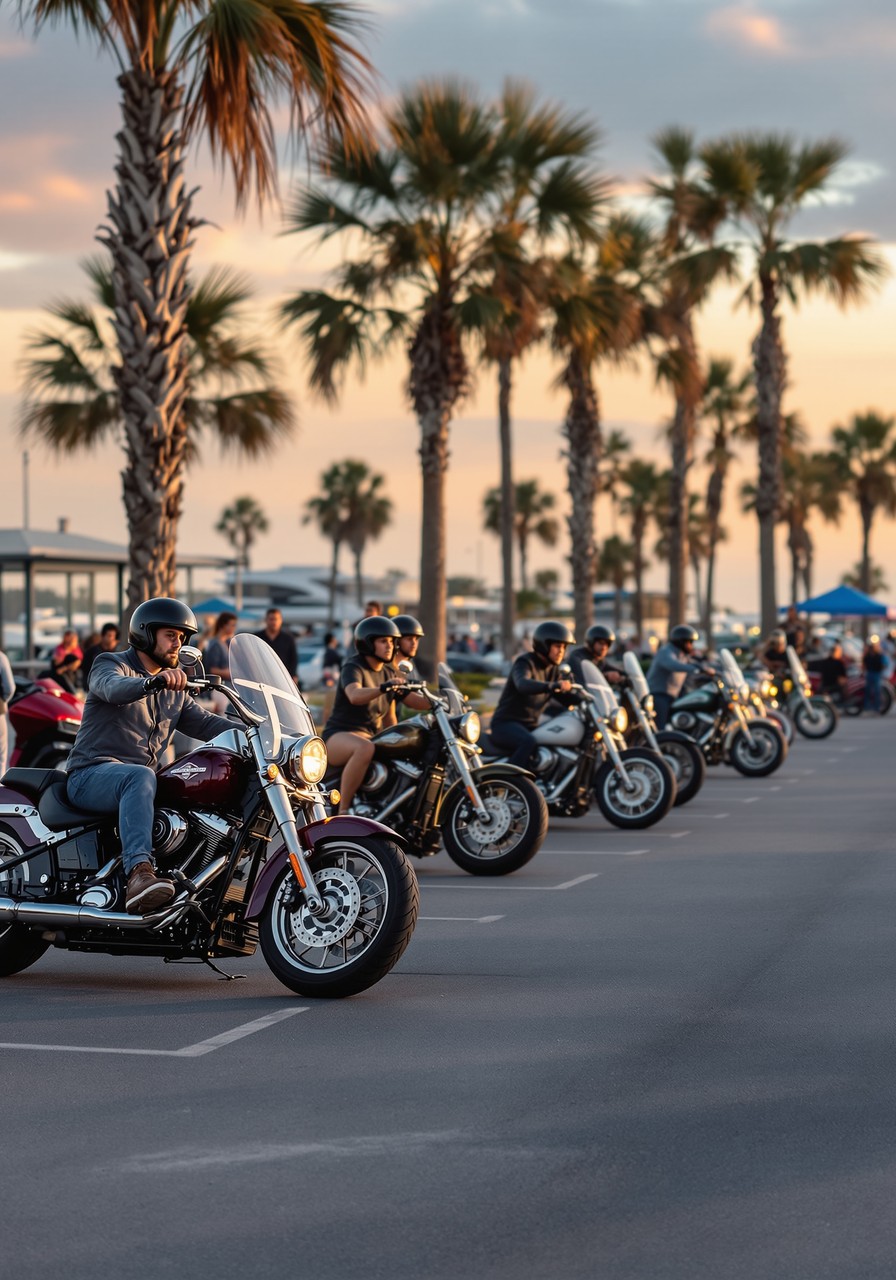
Engagement
Caption this: helmets lined up at a Foley gas stop, engines still ticking. #RideNationAL #BaldwinCounty #TwoWheels
Giveaway & Countdown
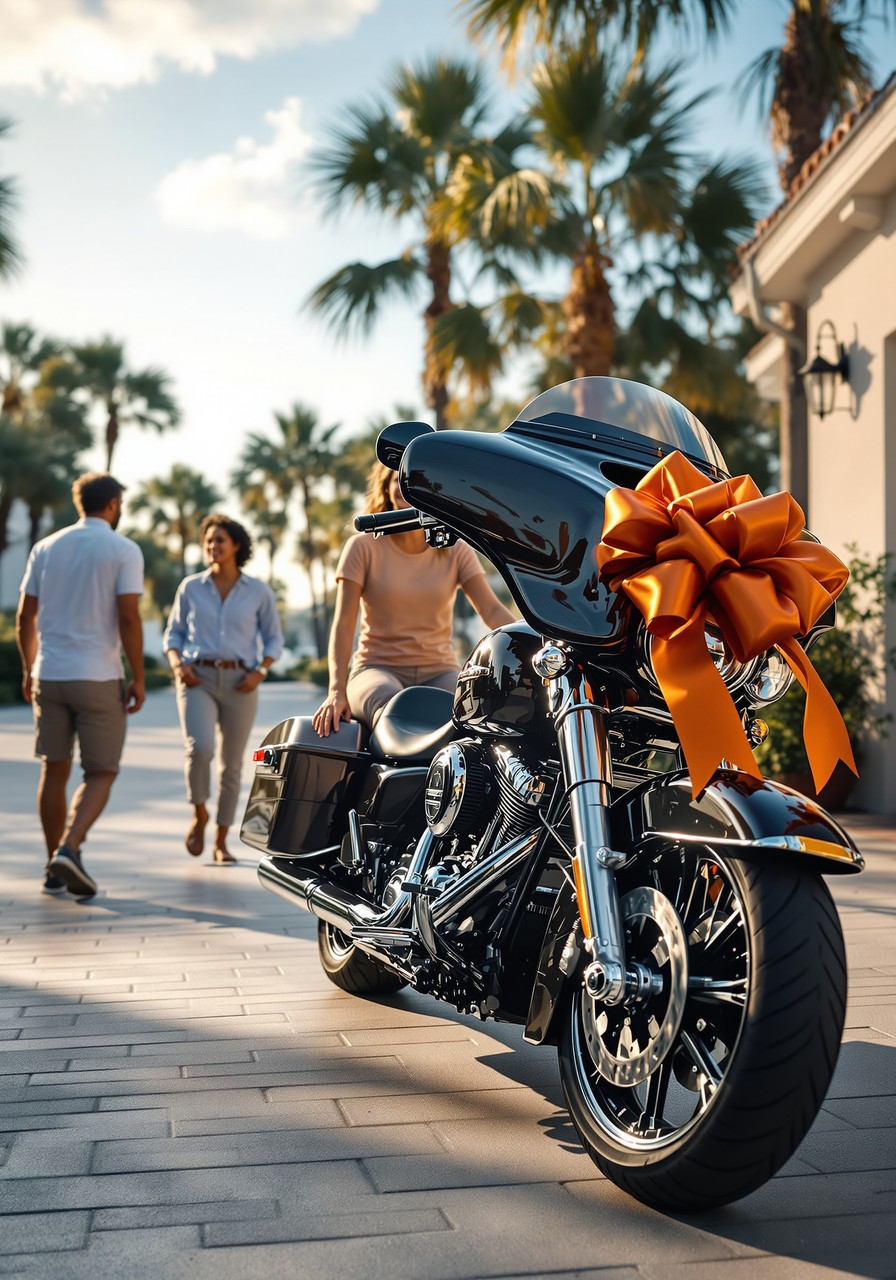
Do not sit this one out, Gulf Coast. A quick call about your crash puts you in the $20,000 giveaway. (251) 269-0869. #RideNationAL #BikersWin #GulfCoastRiders
Local AL & Rides
Gulf State Park roads make an easy morning loop before the beach crowd wakes up. Quiet, green, and close to home. #RideNationAL #GulfShores #MotorcycleRoads
Gear & New Iron
Hi-viz is not about looking cool, it is about being seen. Foley fills up with tourists who are not looking for bikes, so make it easy for them. #RideNationAL #GearUp #GulfCoastRiders
Safety & AL Law
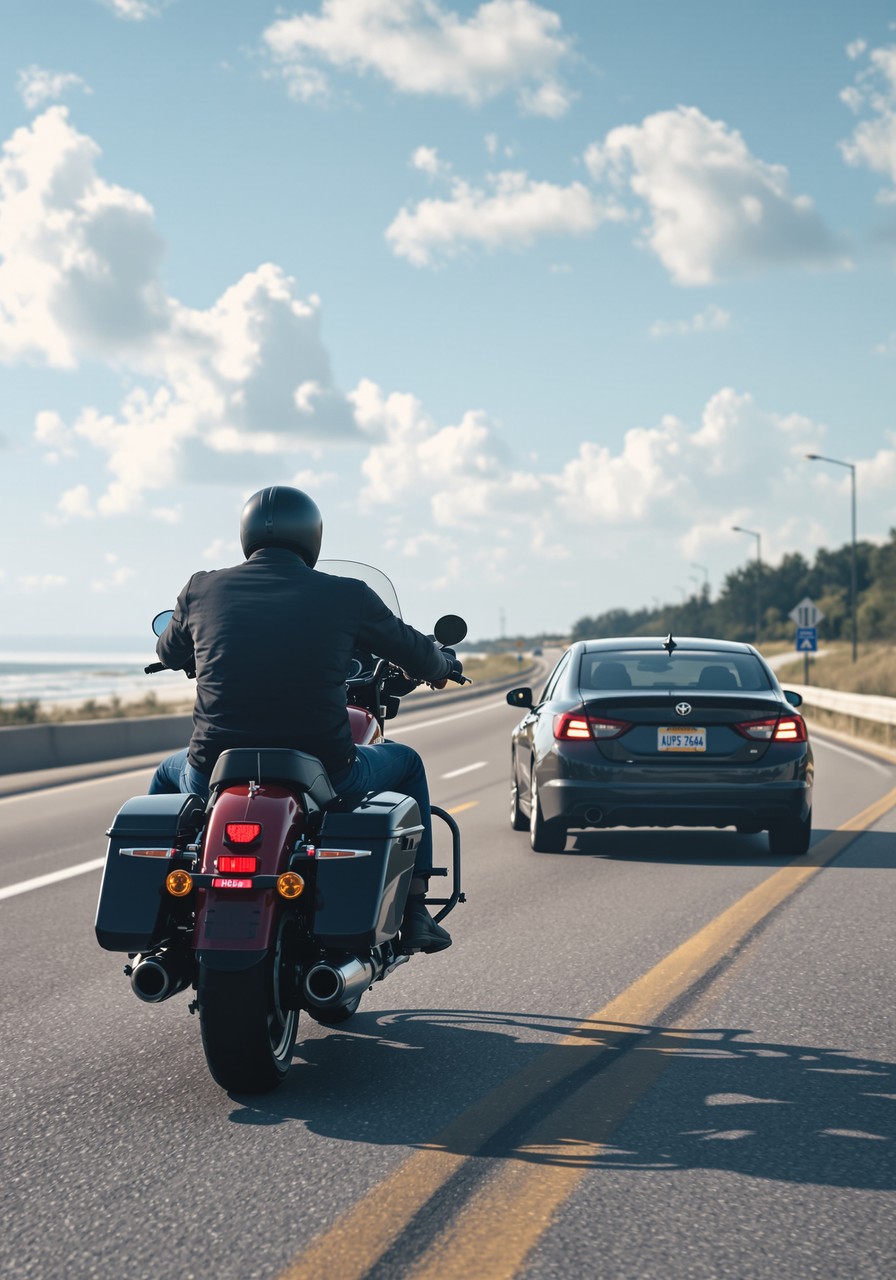
Blown sand near the beach turns a clean line into a slide with no warning. Scan the road surface and roll off before the corner, not in it. #RideNationAL #GulfCoastRiders #MotorcycleSafety
Engagement
Poll: snowbird season, more traffic or more riding buddies? Drop your vote. #RideNationAL #GulfCoastRiders #AlabamaRiders
Giveaway & Countdown
Curious what your claim is worth and how to win $20k? One call covers both. Noel Leonard, (251) 269-0869. #RideNationAL #MotorcycleGiveaway #AlabamaRiders
Local AL & Rides
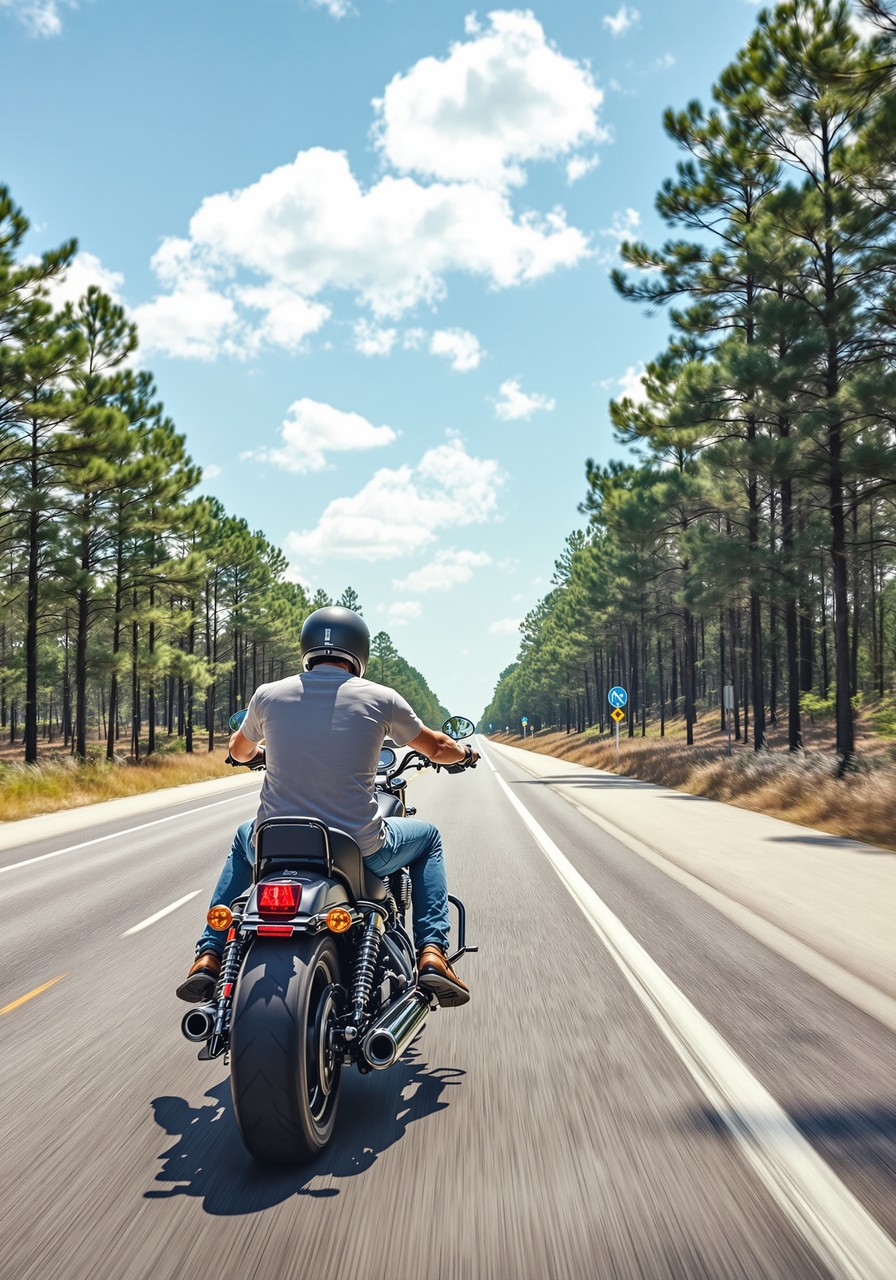
The Baldwin Beach Express is your fast, straight shot to the sand. Watch the merge speed where it meets the beach traffic. #RideNationAL #BaldwinCounty
Gear & New Iron
Beach traffic runs on distracted drivers. A hi-viz vest or a bright helmet buys you the half second that keeps you upright. #RideNationAL #RiderTips #GulfCoastRiders
Safety & AL Law
I never saw the motorcycle is the phrase we hear again and again. In a pure contributory negligence state, their excuse can still cost you if fault is unclear. Call Noel Leonard at (251) 269-0869. #RideNationAL #RiderRights #AlabamaRiders
Engagement
Name your dream Saturday coast route in three words. Go. #RideNationAL #GulfShores #TwoWheels
Giveaway & Countdown
Free to enter, free to ask. Talk to us about your motorcycle injury and get entered. (251) 269-0869. #RideNationAL #BikersWin #20kGiveaway
Local AL & Rides
Perdido Key run at the edge of the state line, water on both sides most of the way. Add it to your winter list. #RideNationAL #GulfCoast #GulfCoastRiders
Gear & New Iron
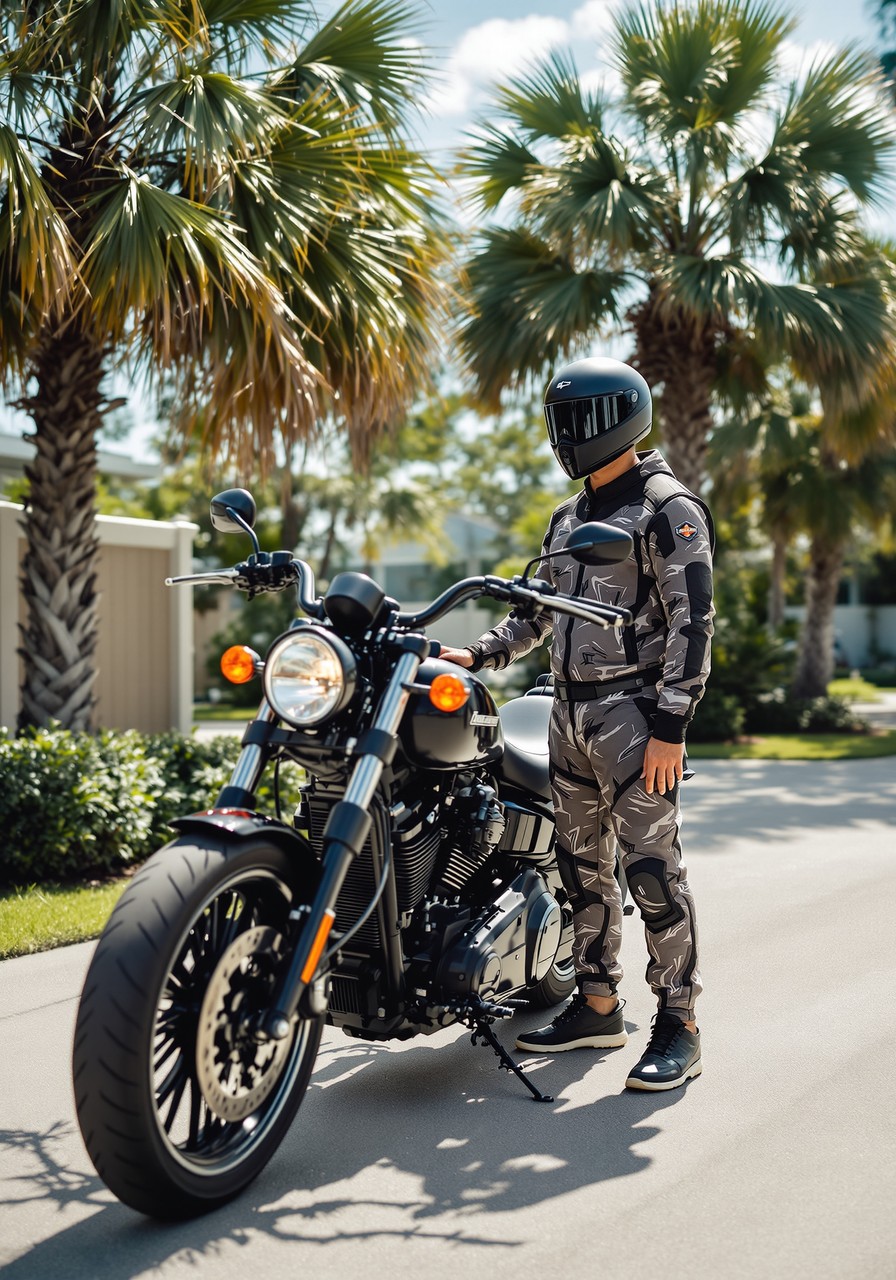
ATGATT means all the gear, all the time, even for the quick run to the coast. Crashes do not check how far you were going. #RideNationAL #ATGATT #GearUp
Safety & AL Law
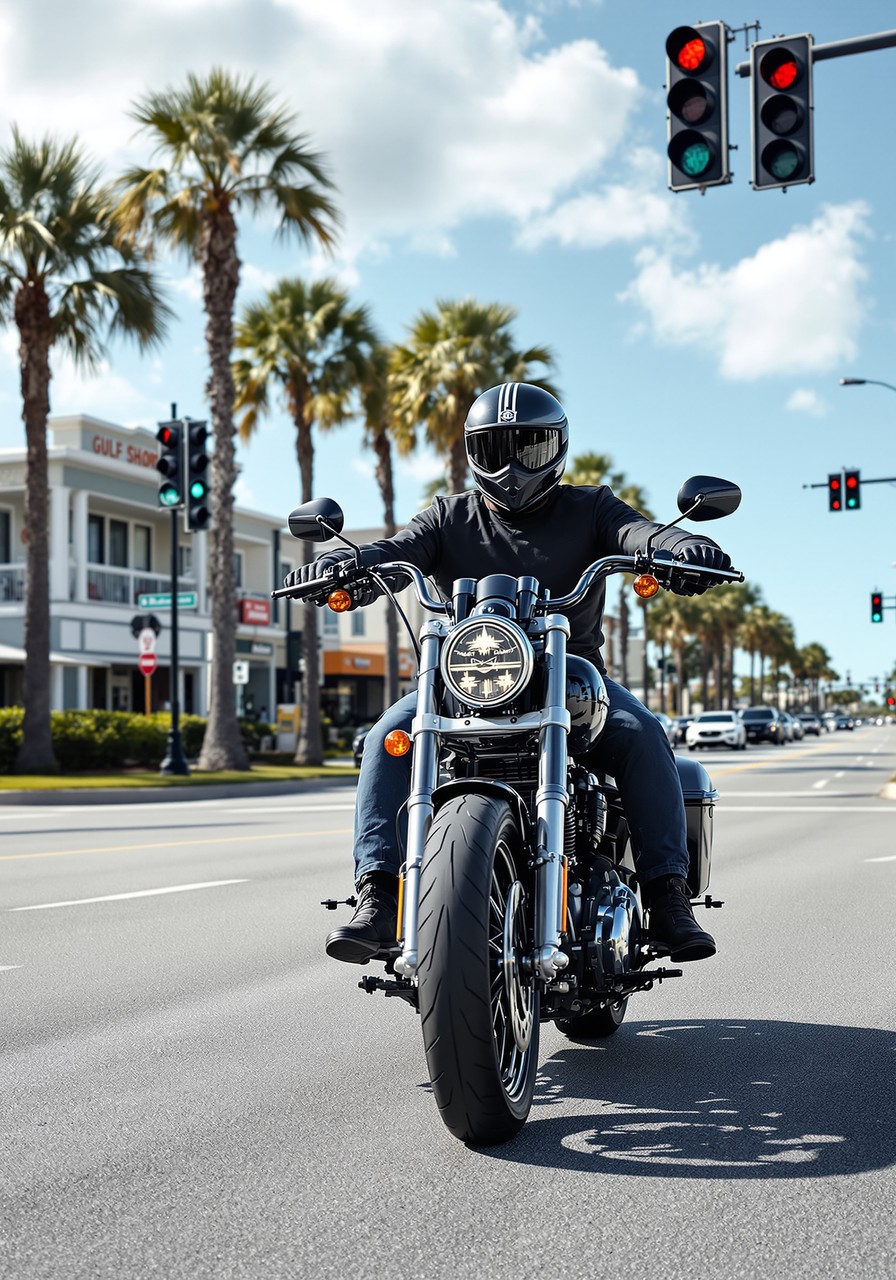
A helmet camera is cheap insurance for your story. If a driver claims you caused it, your own footage can be the difference. Get a free case review with our office. #RideNationAL #KnowYourRights #MotorcycleSafety
Engagement
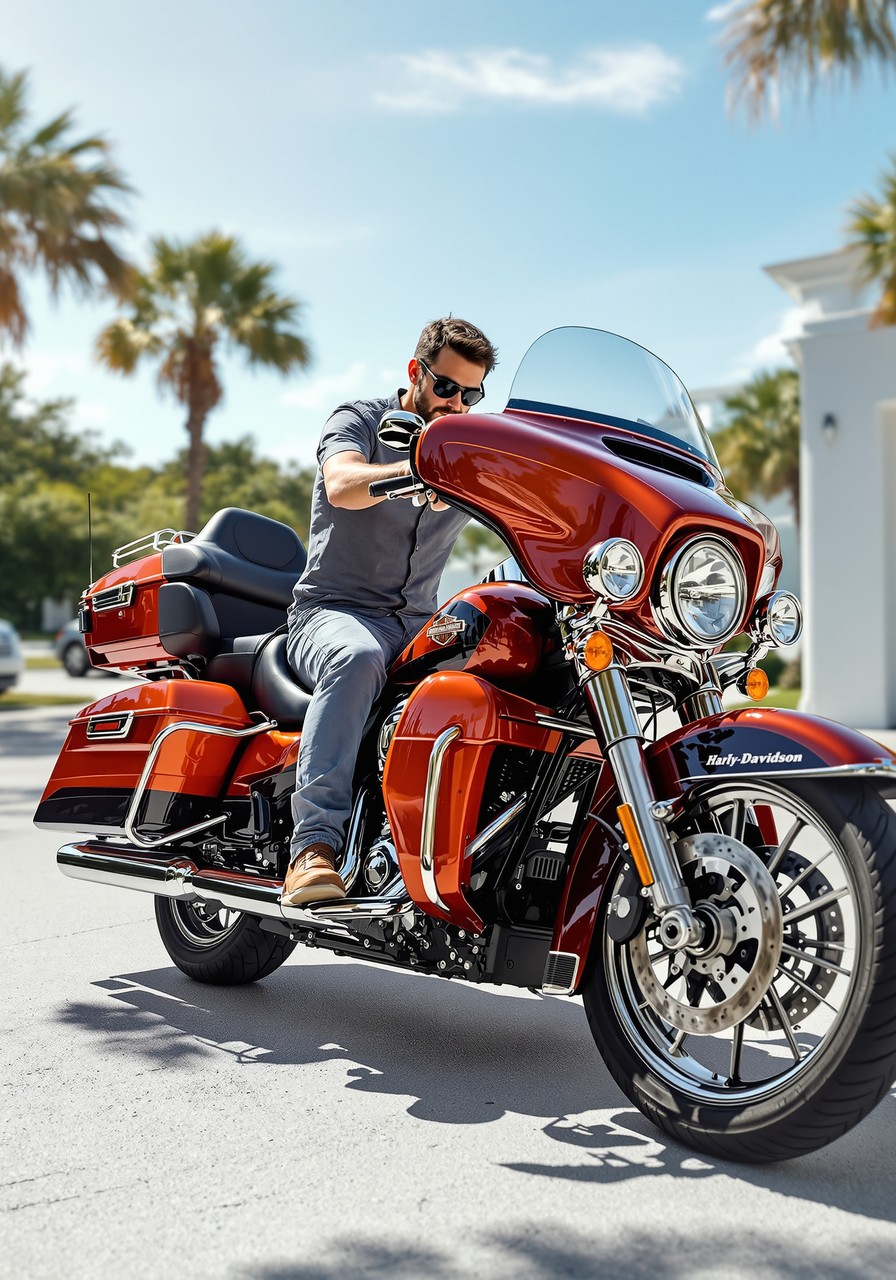
This or that: the Foley Beach Express or the back roads. Speed or scenery? #RideNationAL #BaldwinCounty #GulfCoastRiders
Giveaway & Countdown
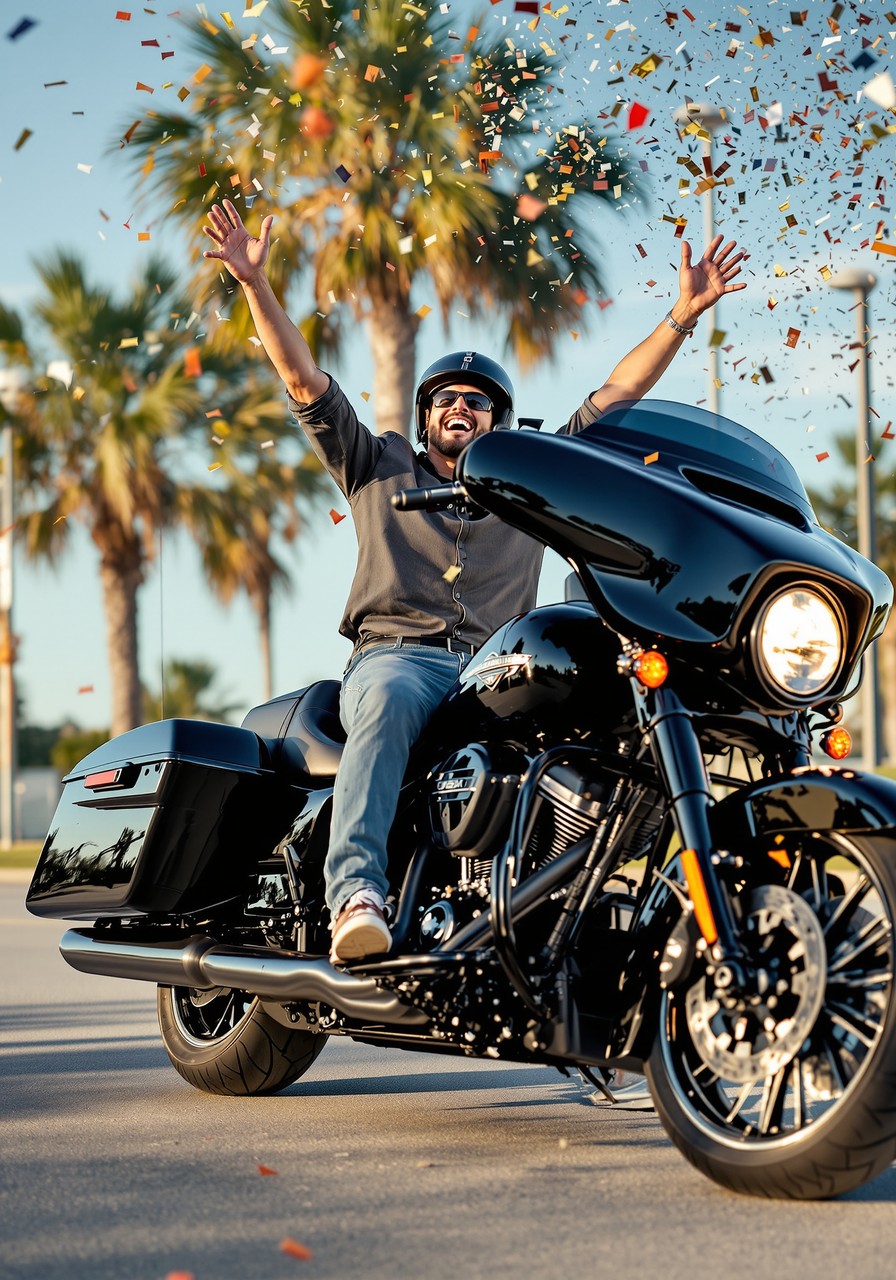
Spread the word and enter yourself. A free case review is your entry into the BikersWin giveaway. (251) 269-0869. #RideNationAL #MotorcycleGiveaway #GulfCoastRiders
Local AL & Rides
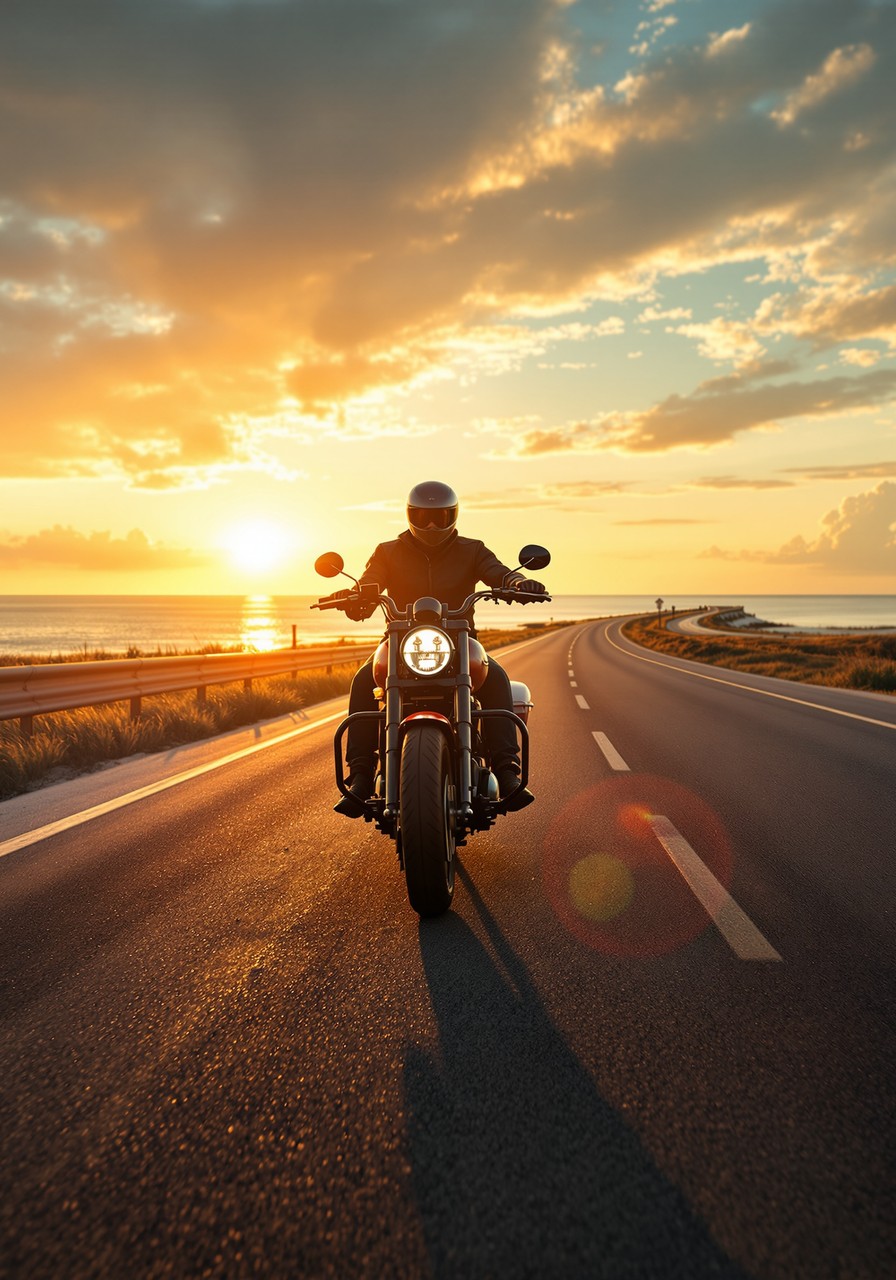
Painted lines and the bridge deck on the Foley Beach Express turn slick the second it rains. Roll upright and easy across them. #RideNationAL #BaldwinCounty
Gear & New Iron
Real boots over the ankle. Sneakers offer nothing when a bike lands on your foot. Over-ankle leather is cheap compared to surgery. #RideNationAL #ATGATT #GearUp
Safety & AL Law
Alabama gives you 2 years to act after a crash, but evidence fades in weeks. Skid marks wash away and witnesses forget. Move early and call Noel Leonard at (251) 269-0869. #RideNationAL #RiderRights #KnowYourRights
Engagement
Fill in the blank: you know it is riding season on the Gulf when ______. #RideNationAL #AlabamaRiders #TwoWheels
Giveaway & Countdown
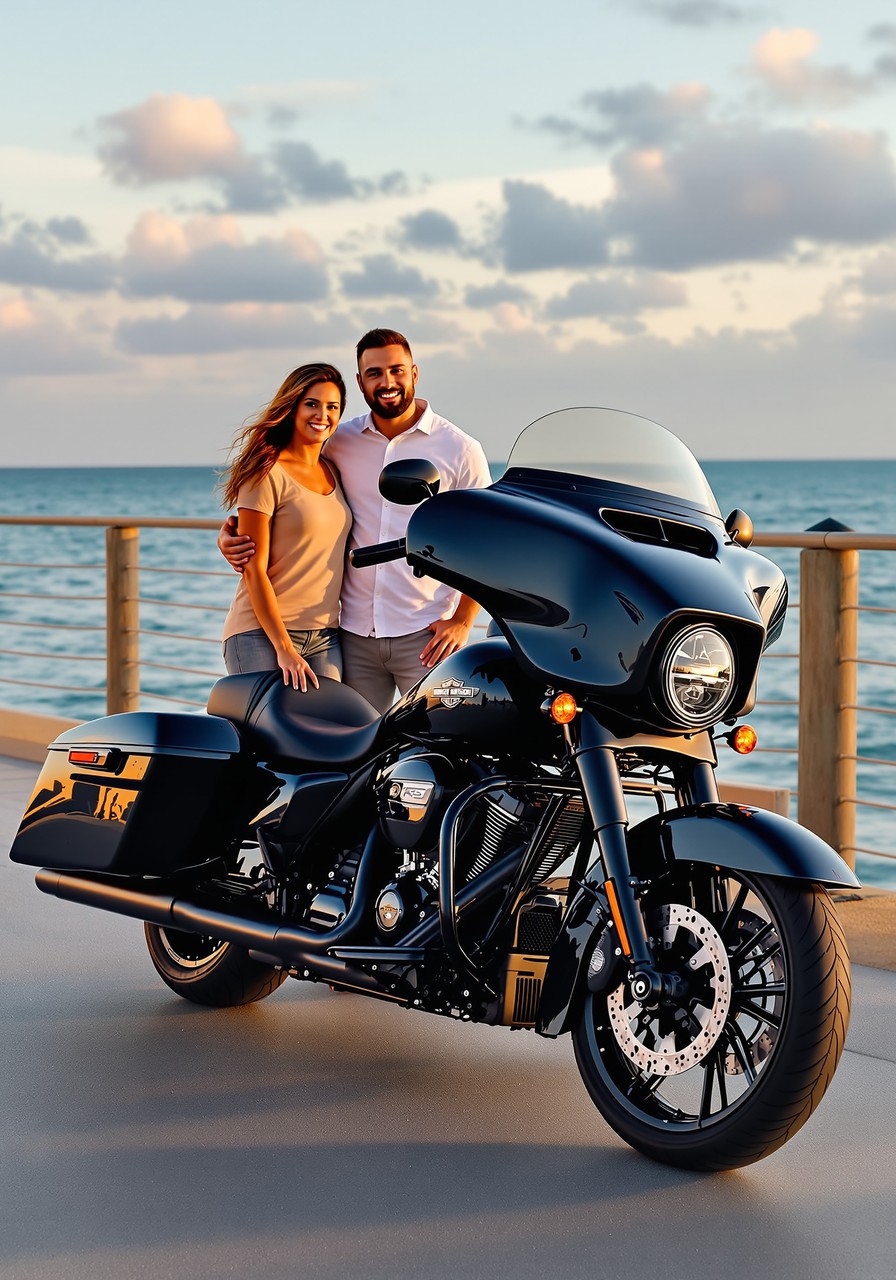
Time is ticking on the $20,000 giveaway. Get your free entry by calling Noel Leonard at (251) 269-0869. #RideNationAL #BikersWin #20kGiveaway #GulfShores
Local AL & Rides
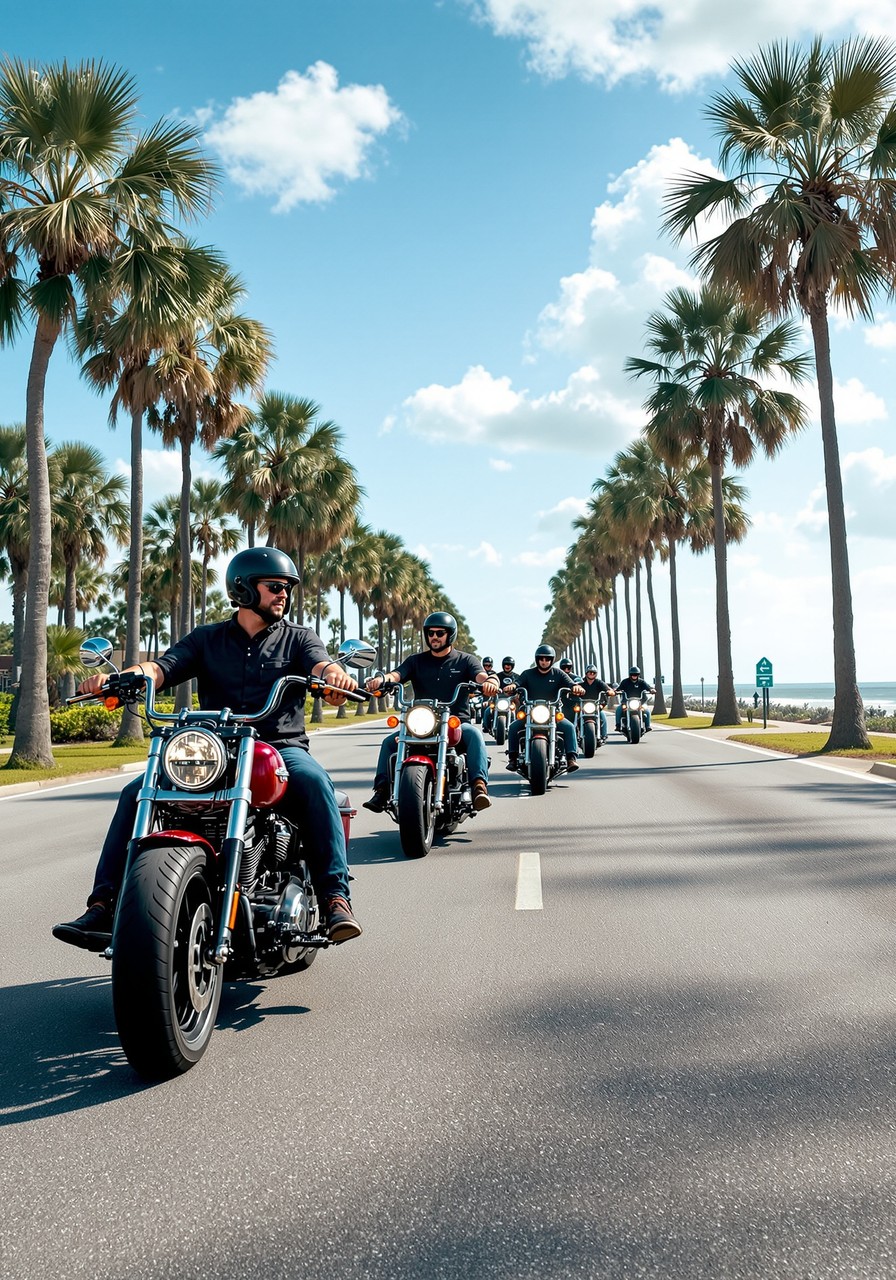
Deer come out at dusk on the Bon Secour backroads. Scan the tree line, back off the pace, and ride like one is about to step out. #RideNationAL #BaldwinCounty
Gear & New Iron
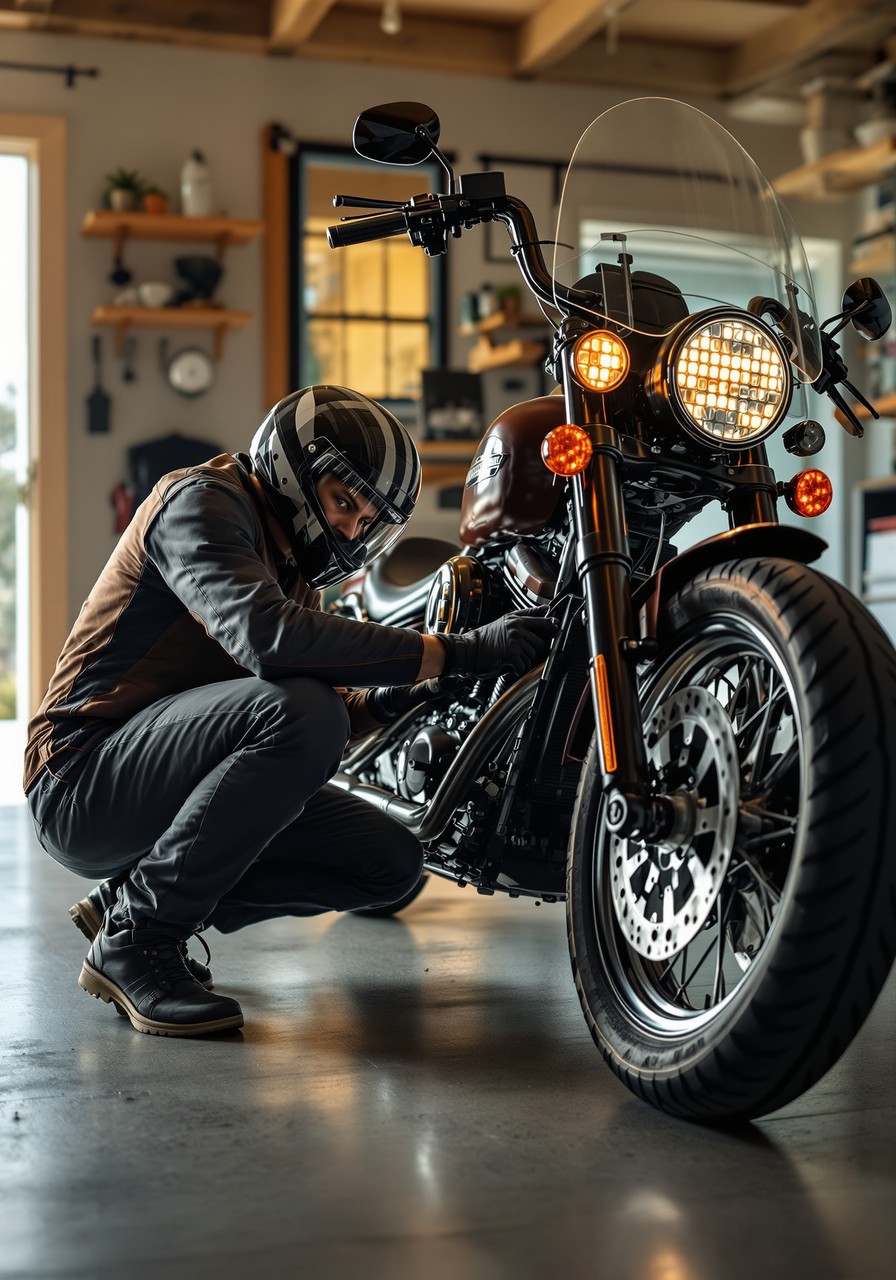
Salt-air truth: the coast eats chrome and chains. Wash the salt off, keep the chain lubed, and hit bare metal with a little protectant. #RideNationAL #MotorcycleMaintenance #RiderTips
Safety & AL Law
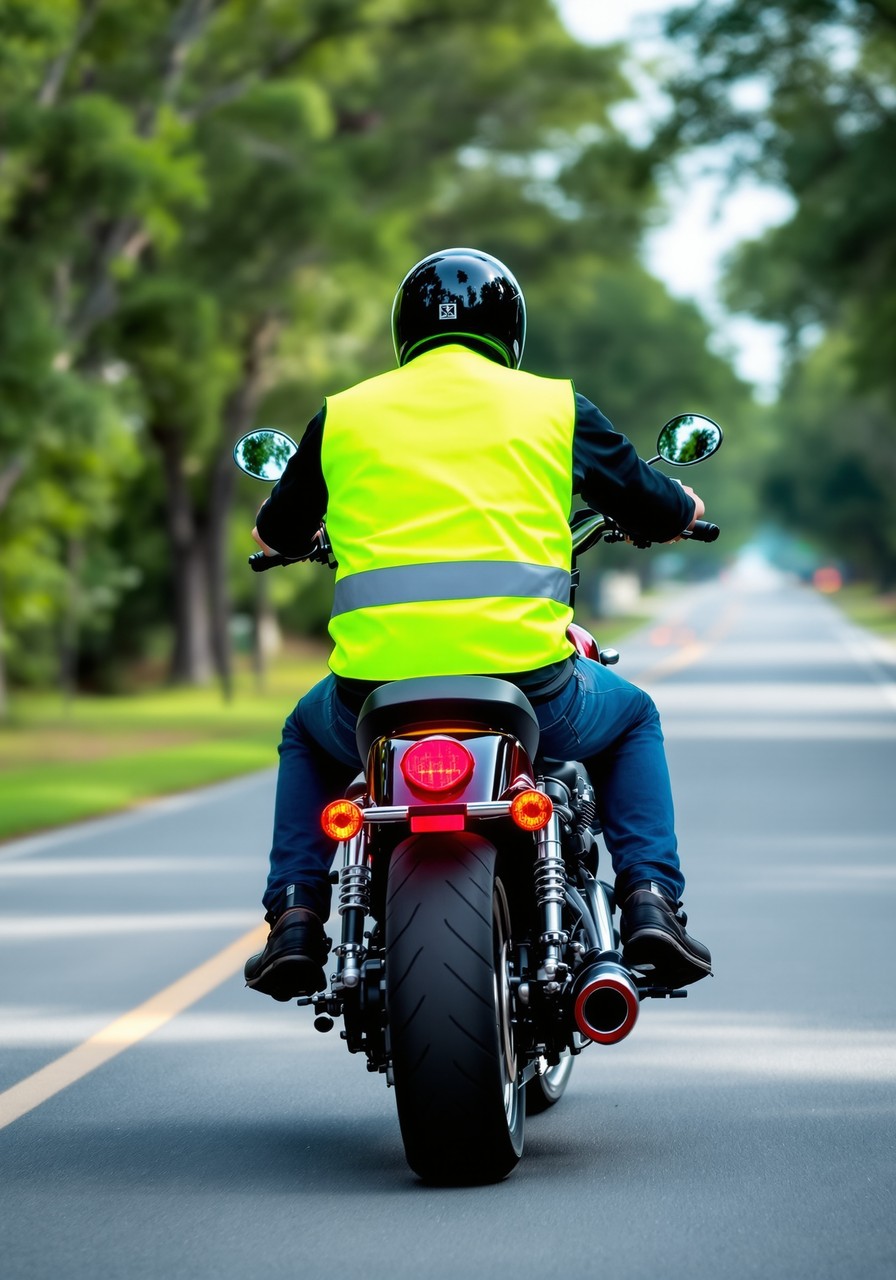
Your health insurance, optional MedPay, and the at fault driver do not always add up to enough. UM and UIM coverage is the safety net most Alabama riders overlook. #RideNationAL #RiderRights #AlabamaRiders
Engagement
Tag someone who needs to get their bike out of the garage this mild winter. #RideNationAL #RideOrDie #GulfCoastRiders
Giveaway & Countdown
Your crash conversation is confidential, free, and your way into the giveaway. Call (251) 269-0869. #RideNationAL #BikersWin #AlabamaRiders
Local AL & Rides
Cold snap this week, then a blue sky weekend. That is Gulf Coast winter. Layer up and grab the warm day when it lands. #RideNationAL #AlabamaRiders #GulfCoastRiders
Gear & New Iron
Dielectric grease is your friend on the Gulf Coast. A dab on every connector fights the corrosion that humid salt air loves to start. #RideNationAL #MotorcycleMaintenance #GulfCoastRiders
Safety & AL Law
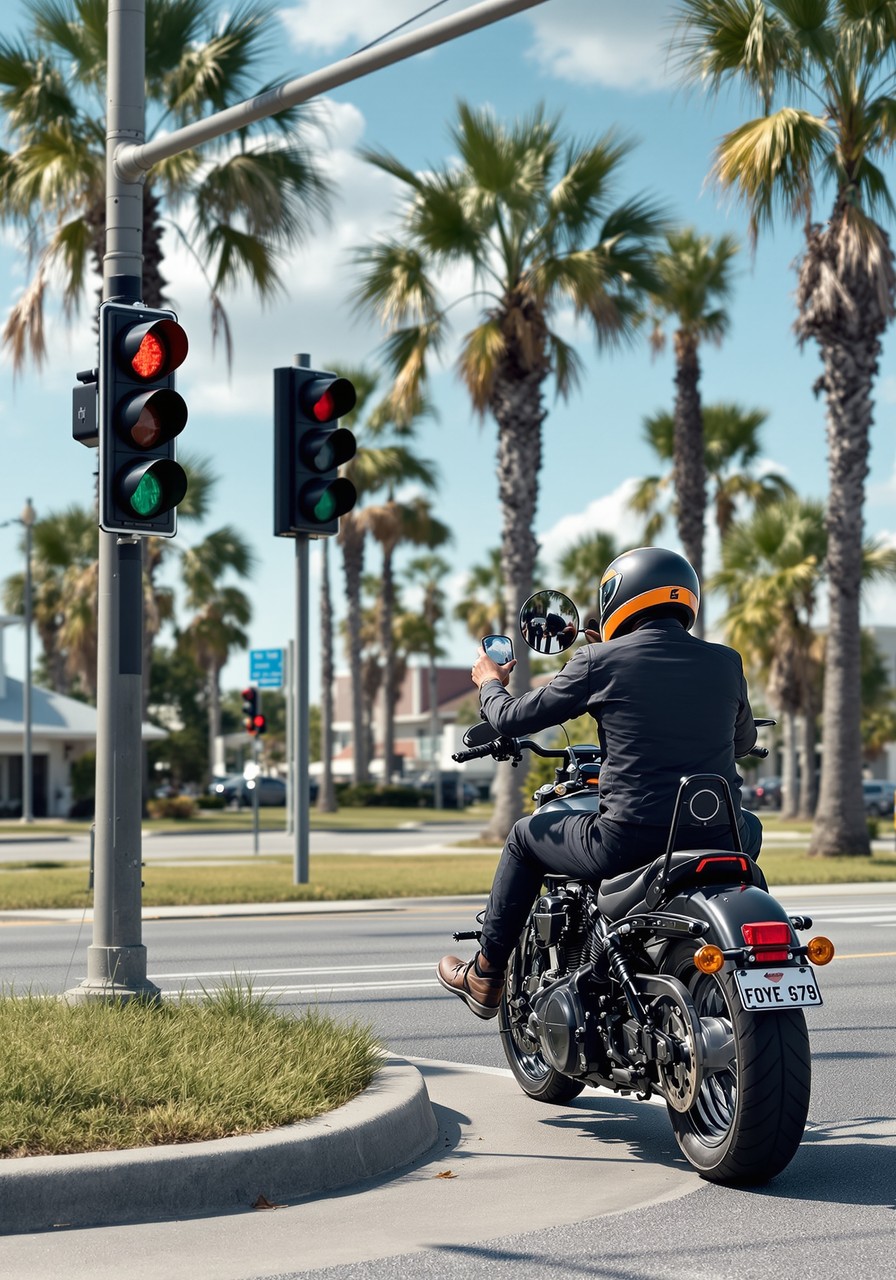
Ride your own ride at intersections. Slow, look twice, and be ready for the car turning left across your path. Hurt by one anyway? Call Noel Leonard at (251) 269-0869. #RideNationAL #MotorcycleSafety #GulfShores
Engagement
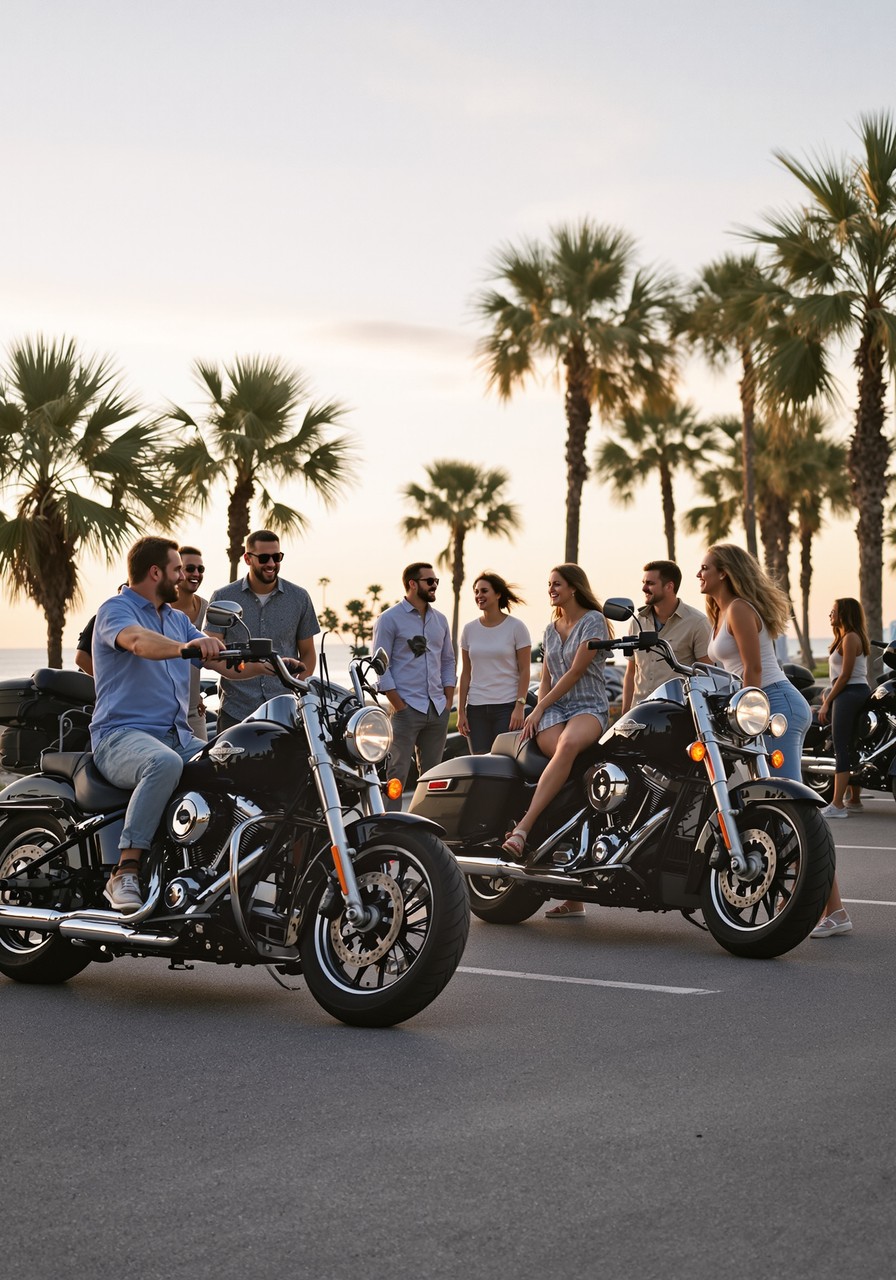
Question of the day: what song is stuck in your head on a long ride? #RideNationAL #TwoWheels #AlabamaRiders
Giveaway & Countdown
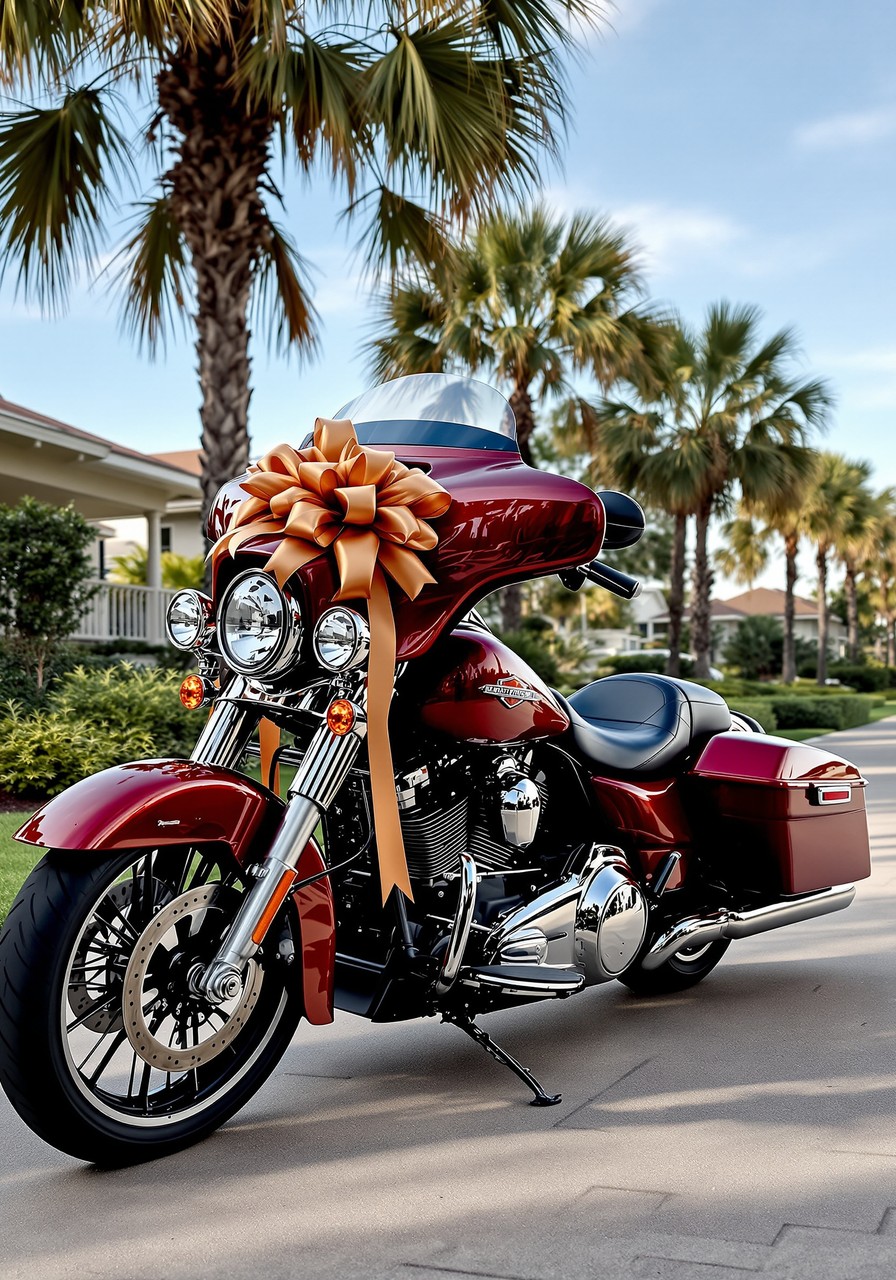
Ready to enter? Pick up the phone. A free chat about your wreck gets you in. (251) 269-0869. #RideNationAL #MotorcycleGiveaway #GulfCoastRiders
Local AL & Rides
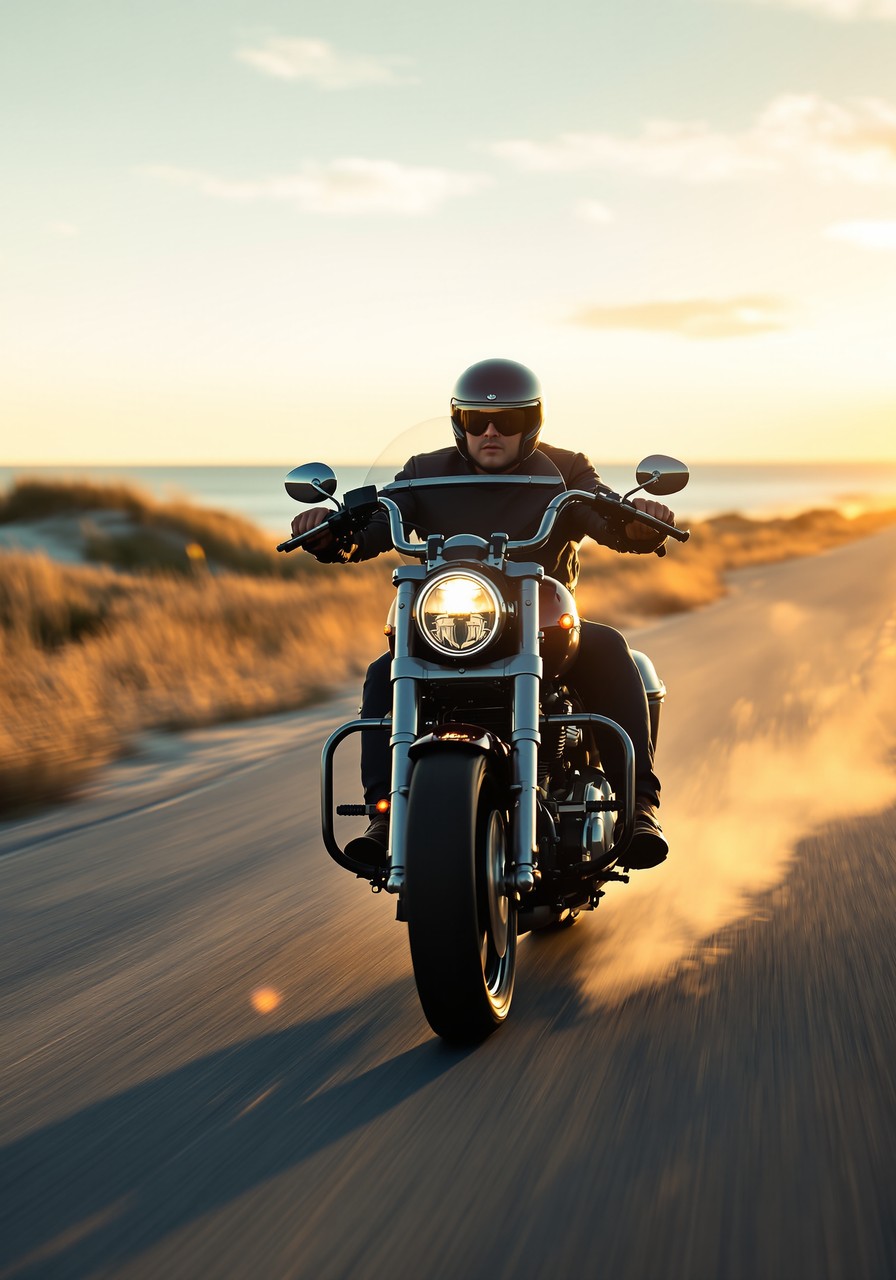
The Fort Morgan ferry ride across the mouth of Mobile Bay is a legit day trip on two wheels. Time the schedule before you roll out. #RideNationAL #FortMorgan
Gear & New Iron
Wash and wax more often than you think down here. That wax layer is what stands between salt spray and rust on your tank and frame. #RideNationAL #MotorcycleMaintenance #GulfCoastRiders
Safety & AL Law
Pure contributory negligence is the most brutal fact for Alabama riders. Even 1 percent of blame can mean zero recovery. Protect yourself at the scene and call Noel Leonard at (251) 269-0869. #RideNationAL #RiderRights #KnowYourRights
Engagement
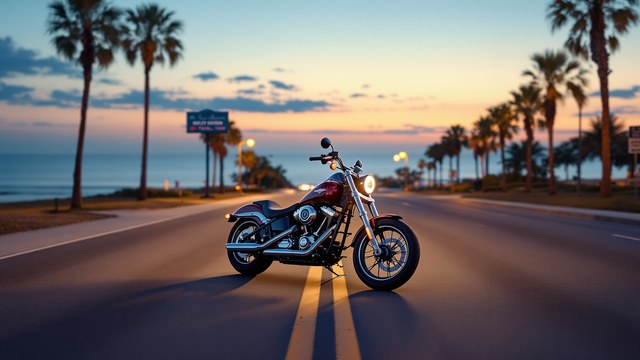
Caption this: sunset over the water at Fort Morgan with your kickstand down. #RideNationAL #FortMorgan #GulfShores
Giveaway & Countdown
Gulf Coast riders, claim your free entry today. Ask how the $20,000 giveaway works at (251) 269-0869. #RideNationAL #BikersWin #20kGiveaway
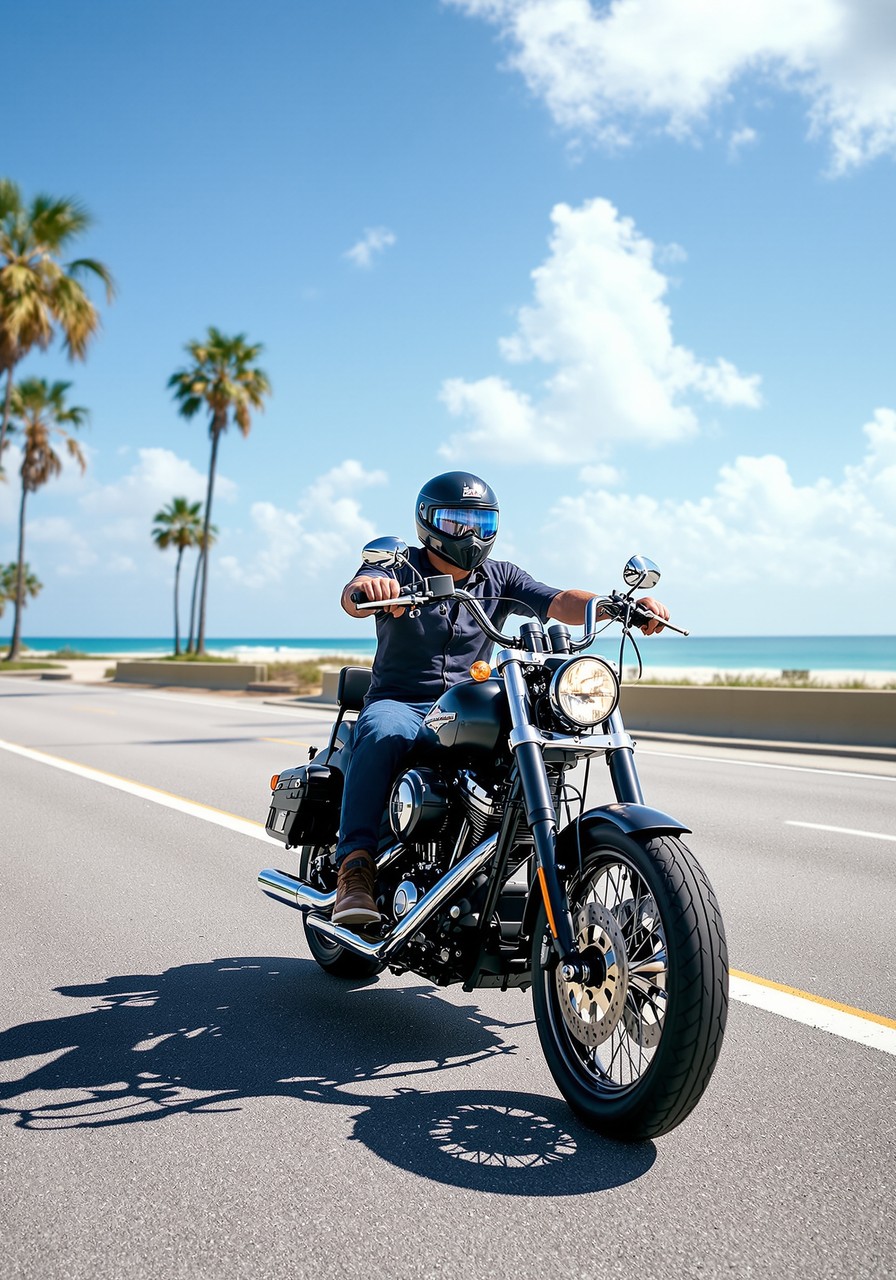
Local AL & Rides
Orange Beach bike night is back on the calendar. Bring the crew, park by the marina, and swap routes over dinner. #RideNationAL #OrangeBeach #GulfCoastRiders
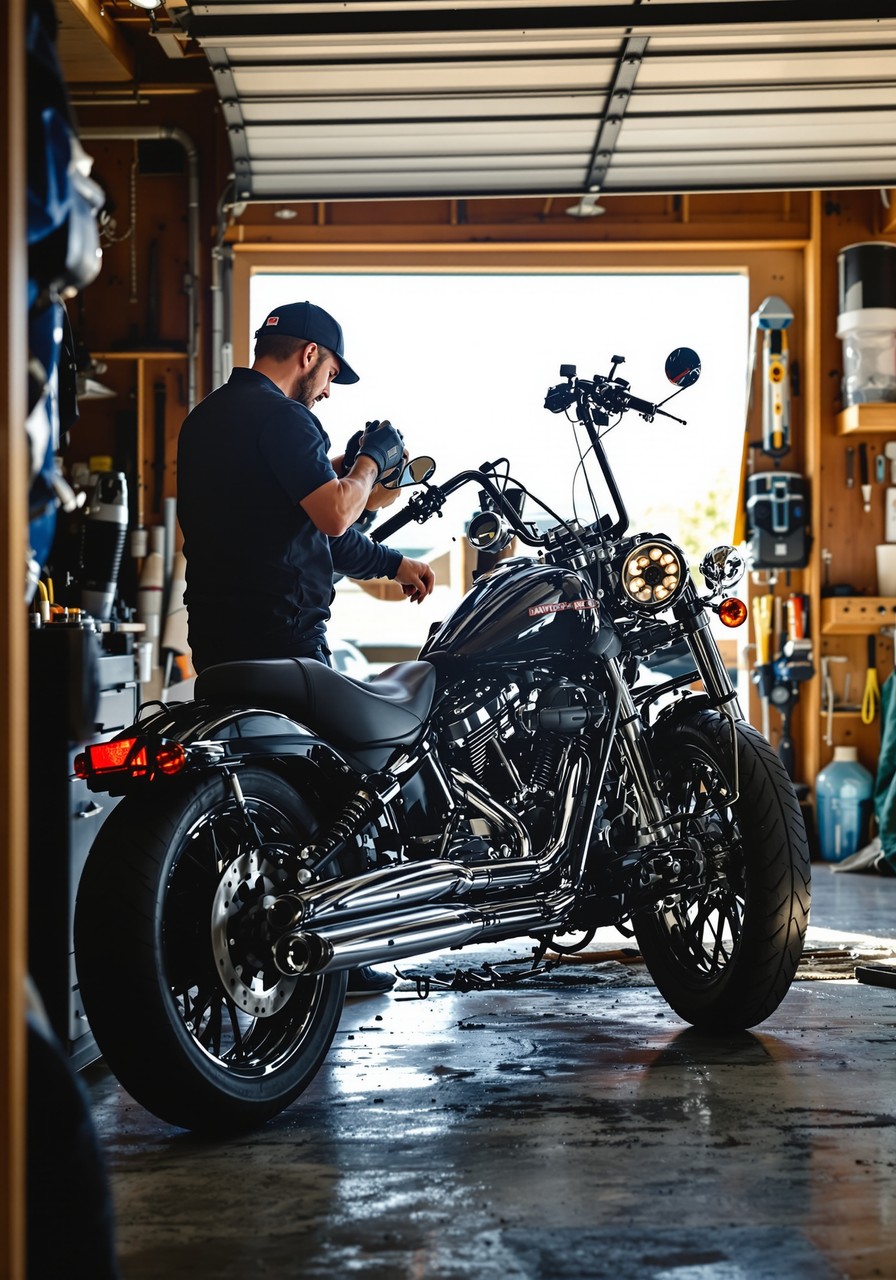
Gear & New Iron
Chain lube is anti-rust insurance on the coast. Salt in the air wicks into a dry chain and pits it fast, so keep it coated. #RideNationAL #MotorcycleMaintenance #RiderTips
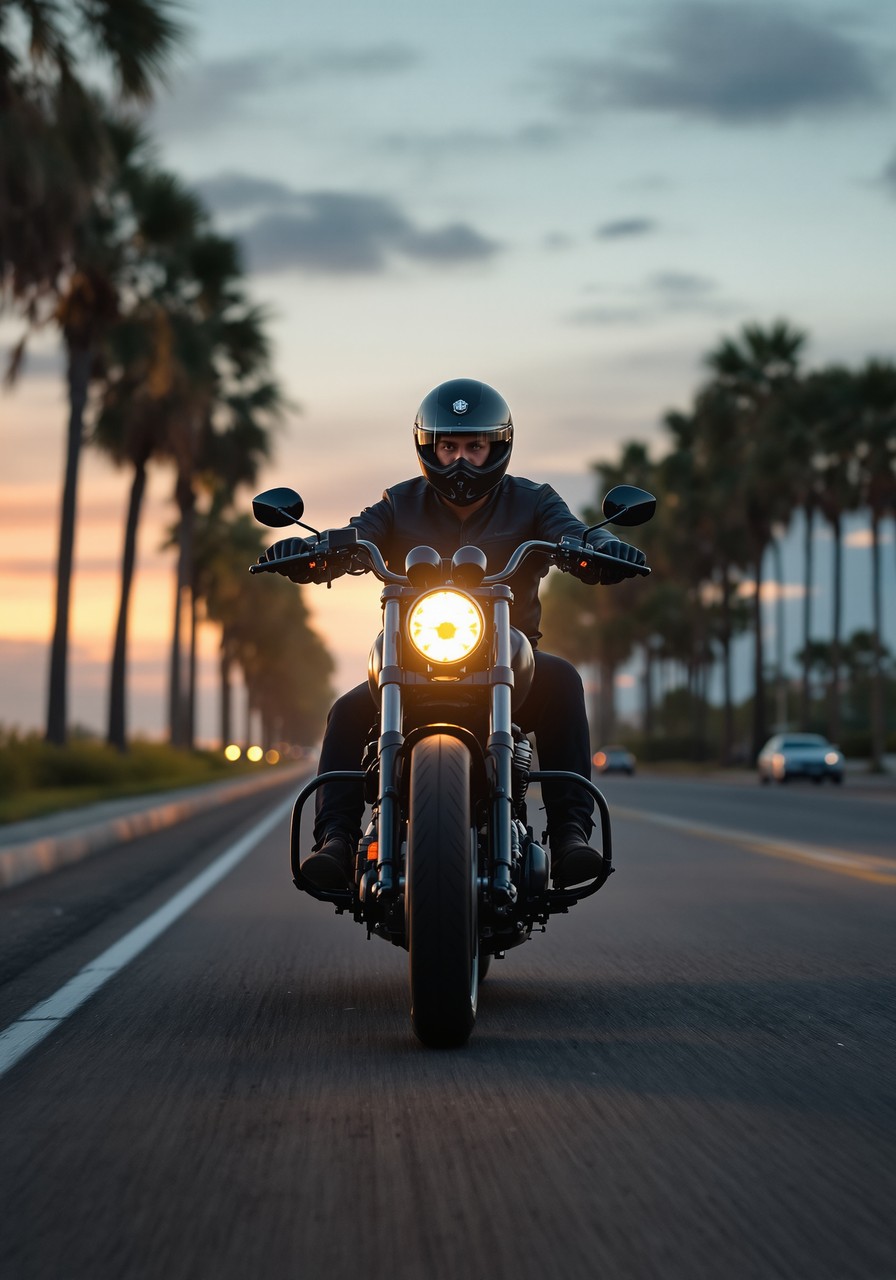
Safety & AL Law
Gear up every ride, not just the long ones. Most crashes happen close to home on roads you know. ATGATT is not overkill, it is respect for the odds. #RideNationAL #ATGATT #MotorcycleSafety
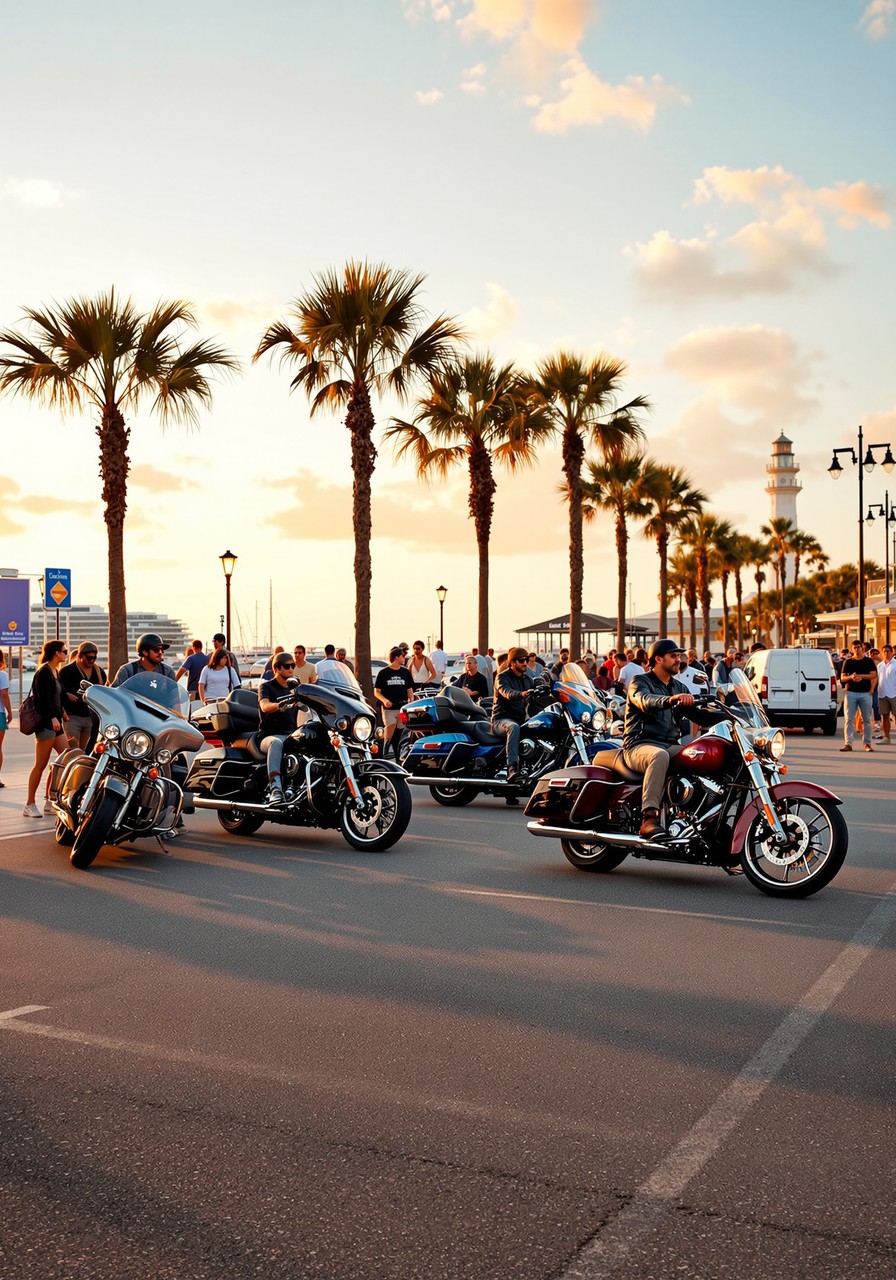
Engagement
This or that: fresh Gulf shrimp after the ride or a burger at the usual spot. #RideNationAL #GulfCoastRiders #OrangeBeach
Giveaway & Countdown
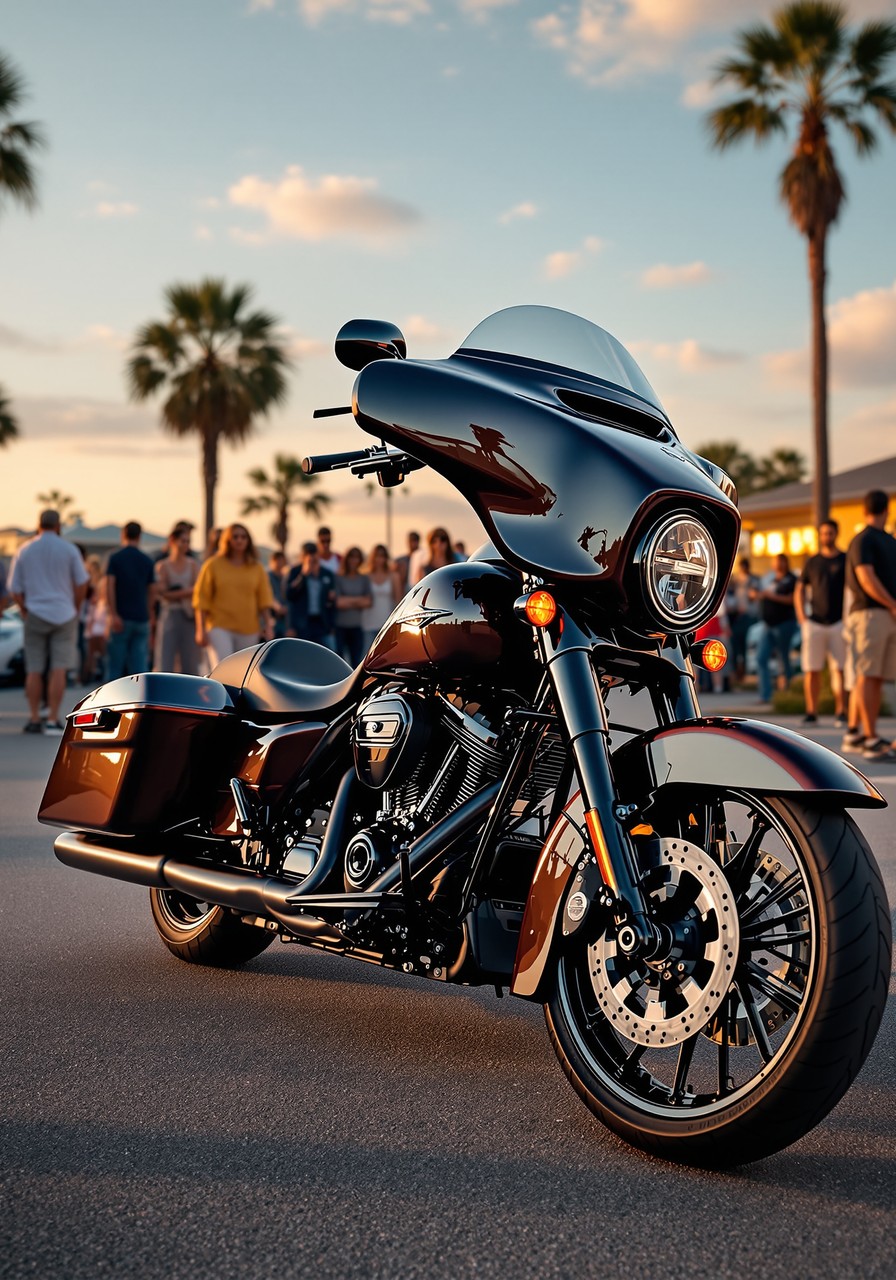
Countdown is on, Gulf Coast. Twenty thousand reasons to tag a riding buddy and get them in on it. #RideNationAL #MotorcycleGiveaway #GulfCoastRiders
Local AL & Rides
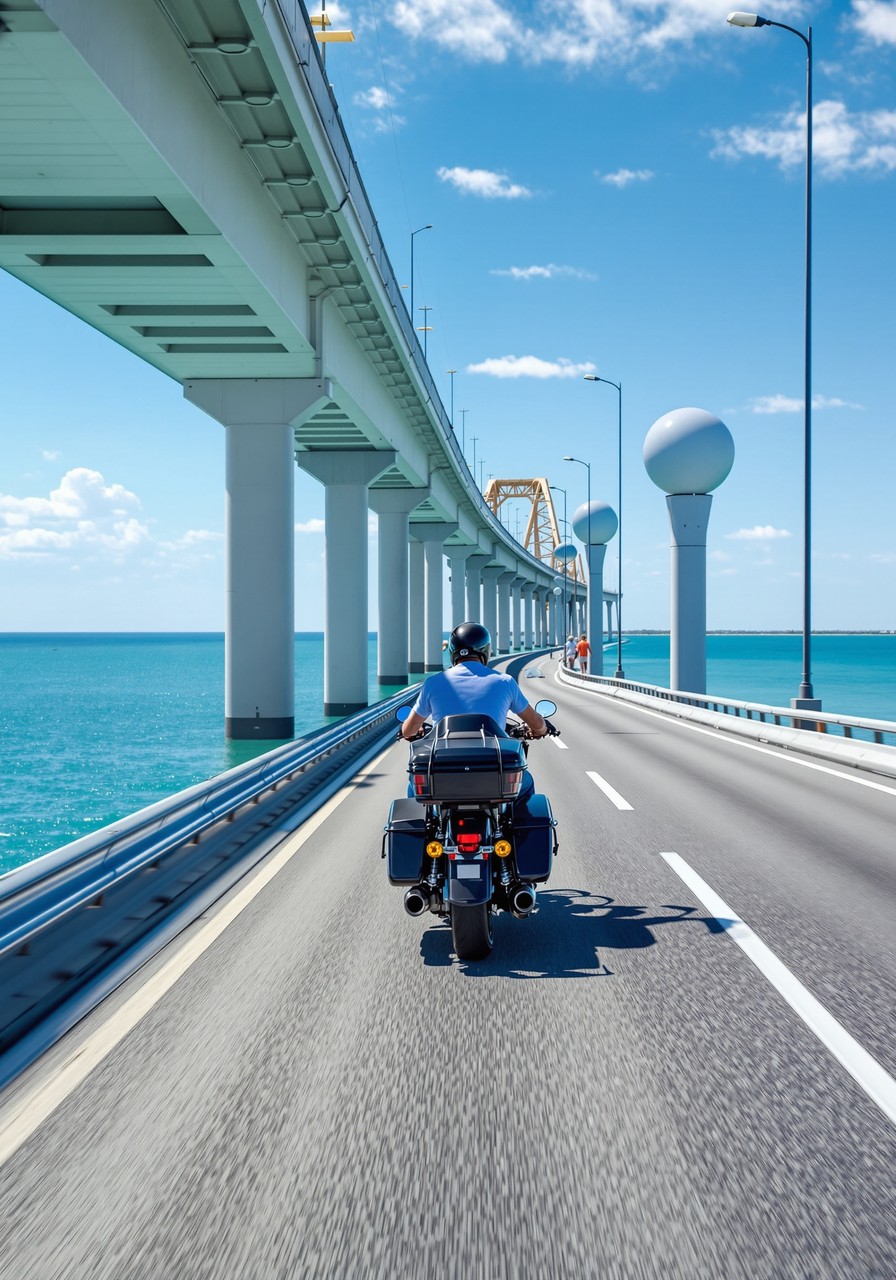
I-10 gets you across the region fast, but the coast roads are where the ride actually lives. Save the slab for the miles you have to. #RideNationAL #GulfCoast
Gear & New Iron
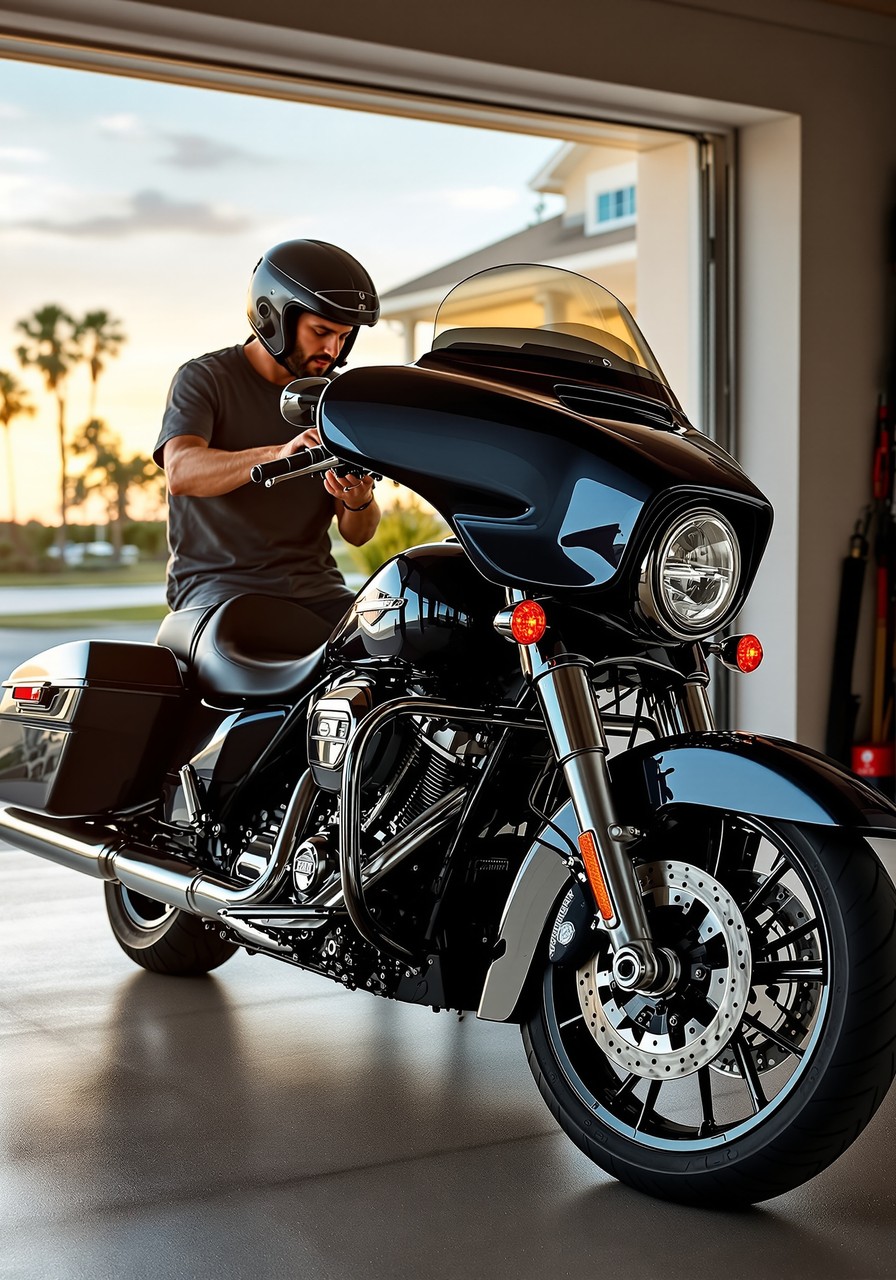
Check your tire dates, not just the tread. That four-digit code on the sidewall tells you the week and year it was built. #RideNationAL #MotorcycleMaintenance #RiderTips
Safety & AL Law
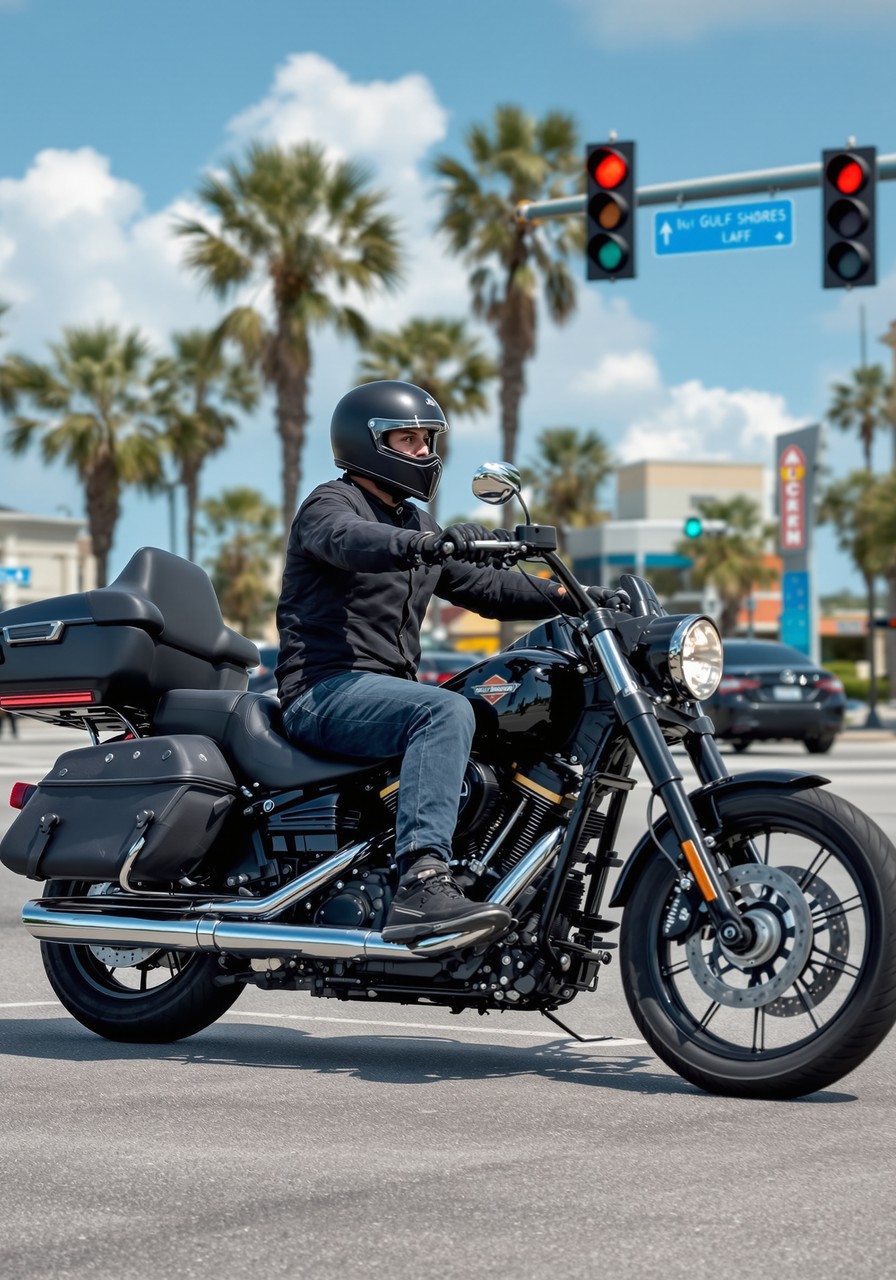
After a crash, say little at the scene and never admit fault. In Alabama that admission can sink your entire claim. Let us protect your side, call Noel Leonard at (251) 269-0869. #RideNationAL #RiderRights #AlabamaRiders
Engagement
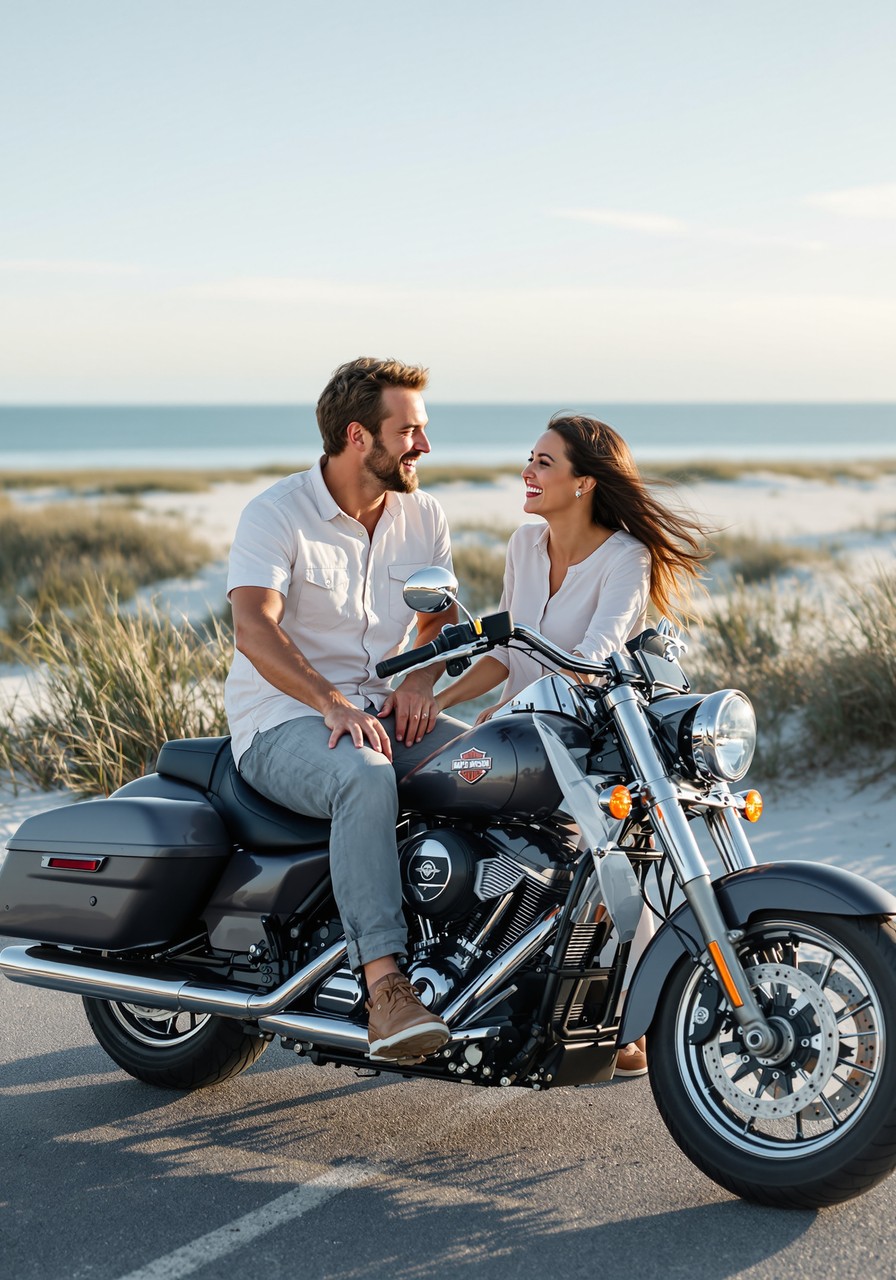
Poll: solo therapy ride or the whole crew rolling deep. Which one is your reset? #RideNationAL #RideOrDie #AlabamaRiders
Giveaway & Countdown
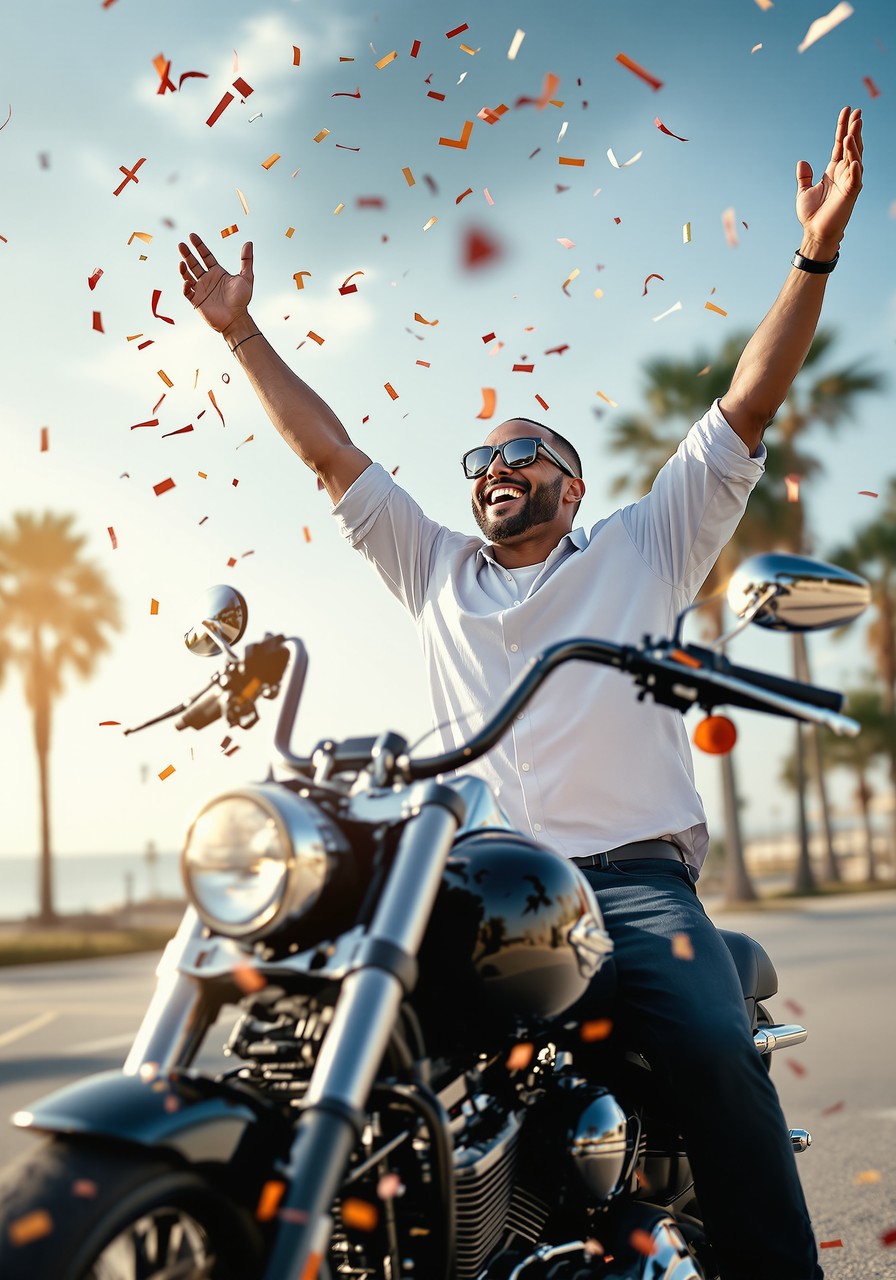
The BikersWin $20,000 motorcycle giveaway is heating up. Who is riding home a winner this year? #RideNationAL #BikersWin #20kGiveaway
Local AL & Rides
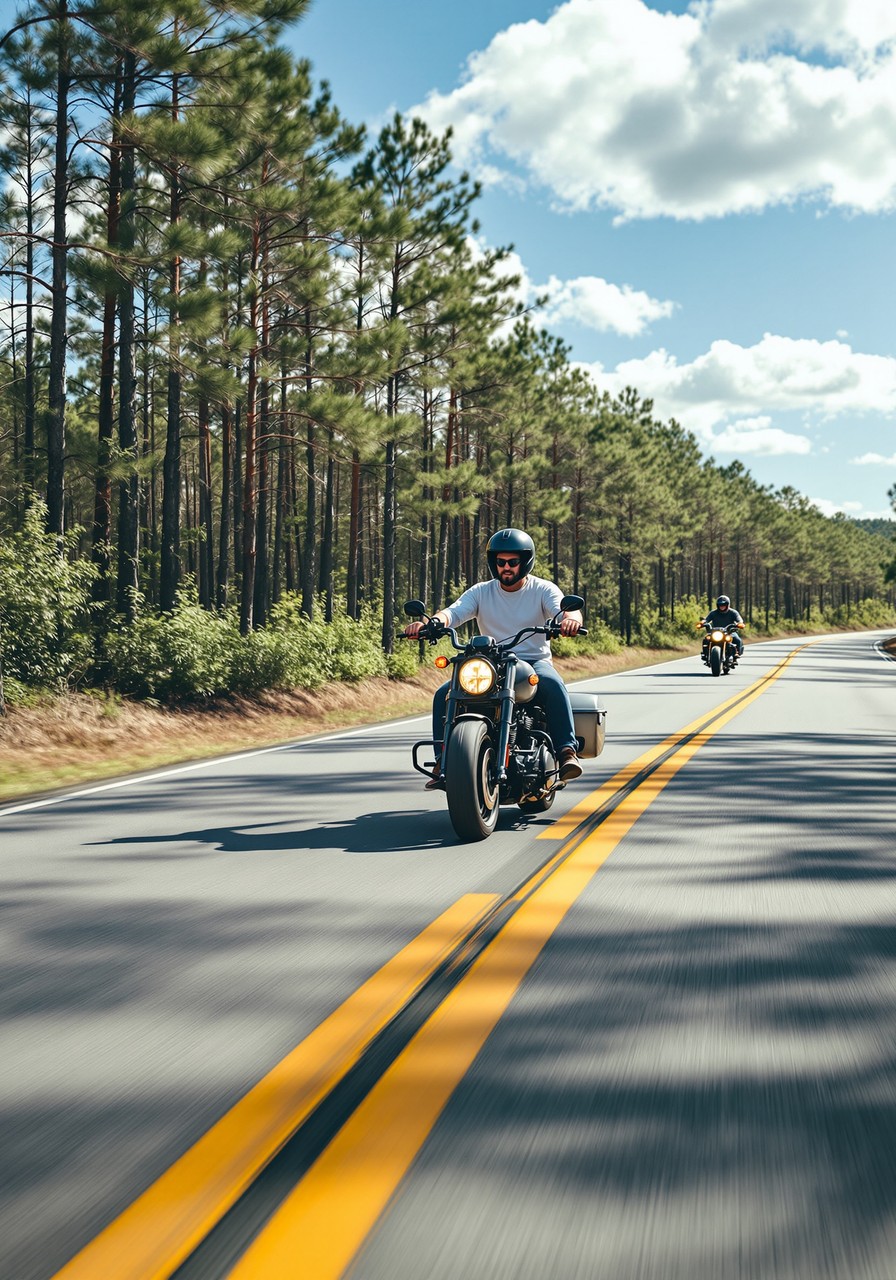
Sand drifts across Fort Morgan Road out near the point where the wind never quits. Treat every light patch like ice. #RideNationAL #FortMorgan #MotorcycleRoads
Gear & New Iron
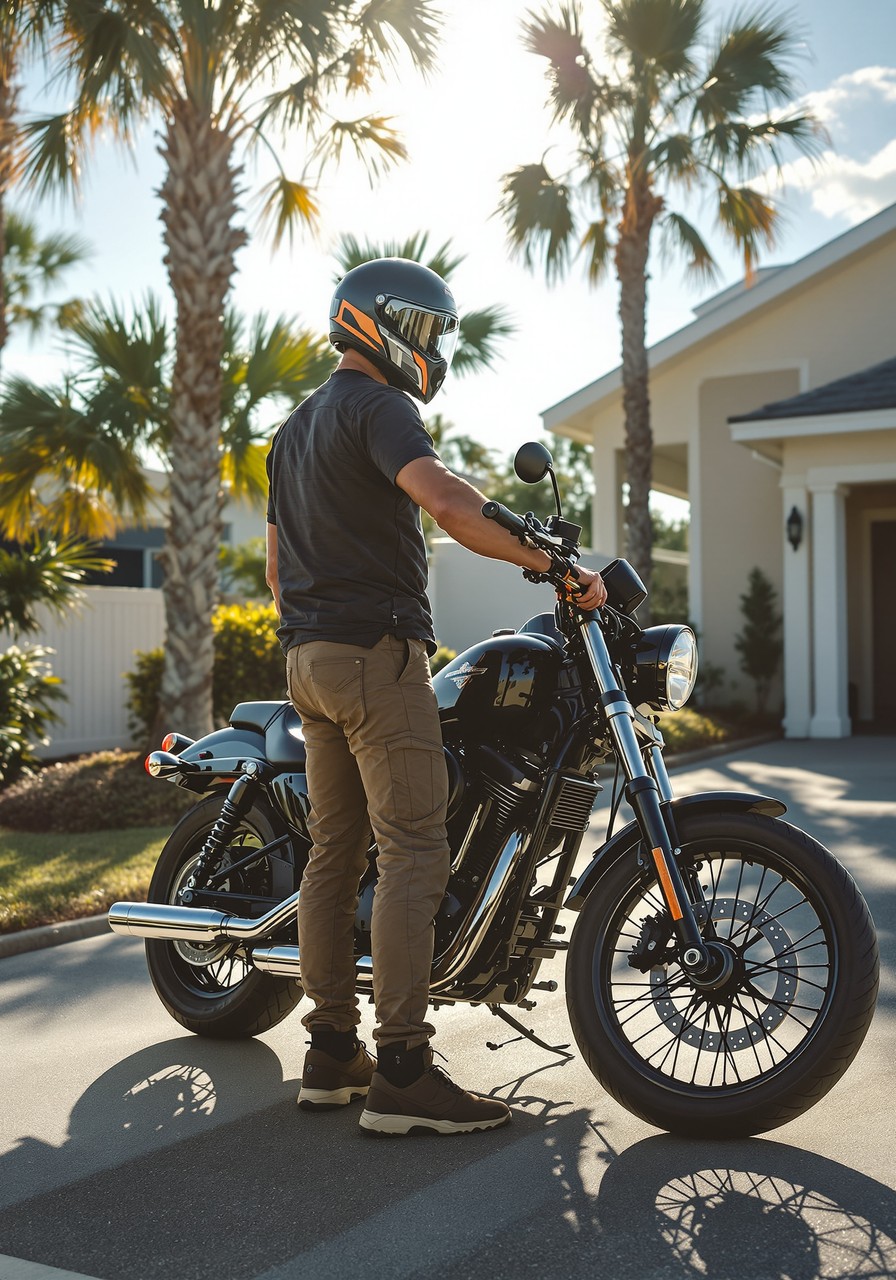
Old rubber is dangerous rubber even with tread left. Gulf Coast heat cracks aging tires from the inside, so watch the date. #RideNationAL #HotWeatherRiding #MotorcycleMaintenance
Safety & AL Law
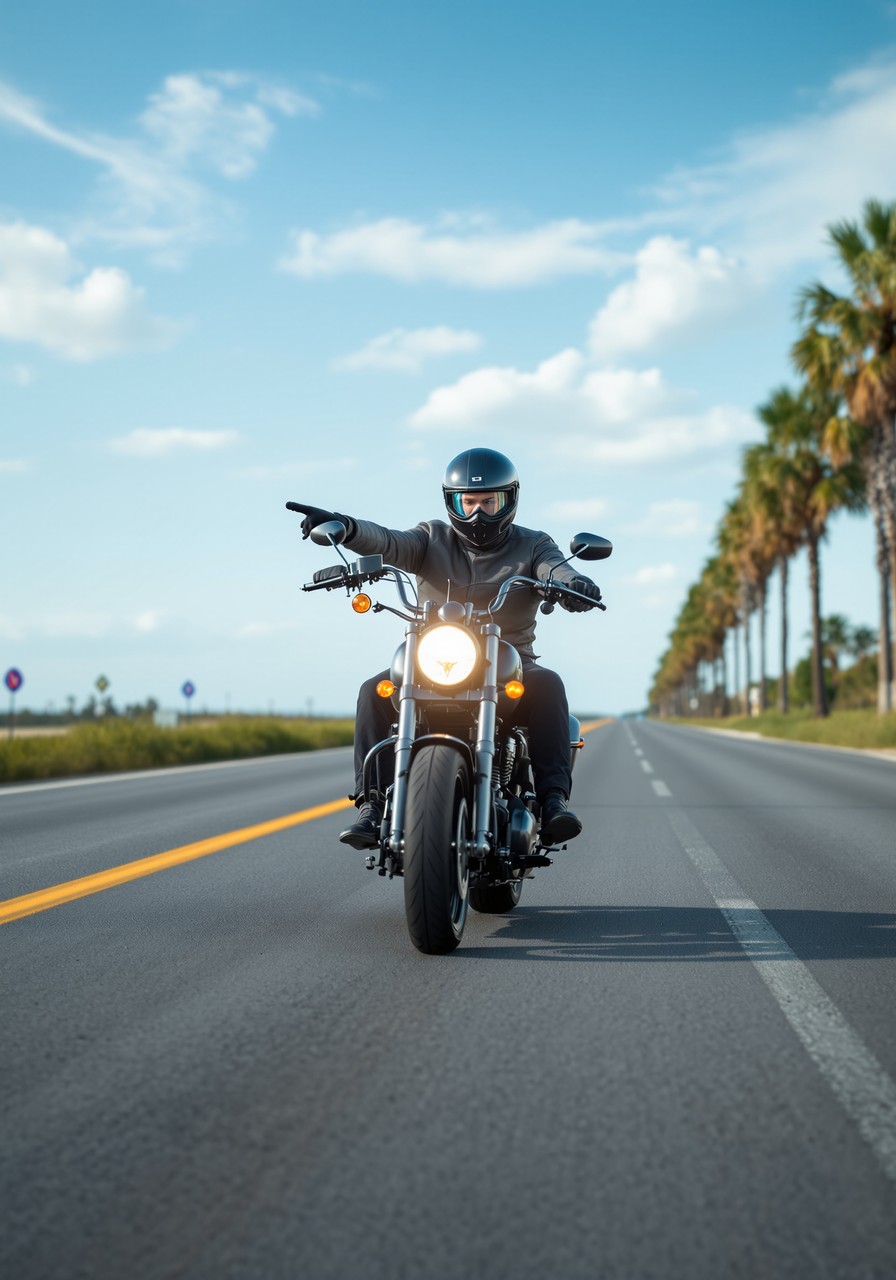
Sudden Gulf Coast downpours make painted lines and metal covers slick as ice. Ease off the throttle and brake smooth when the sky opens up. #RideNationAL #MotorcycleSafety #GulfCoastRiders
Engagement
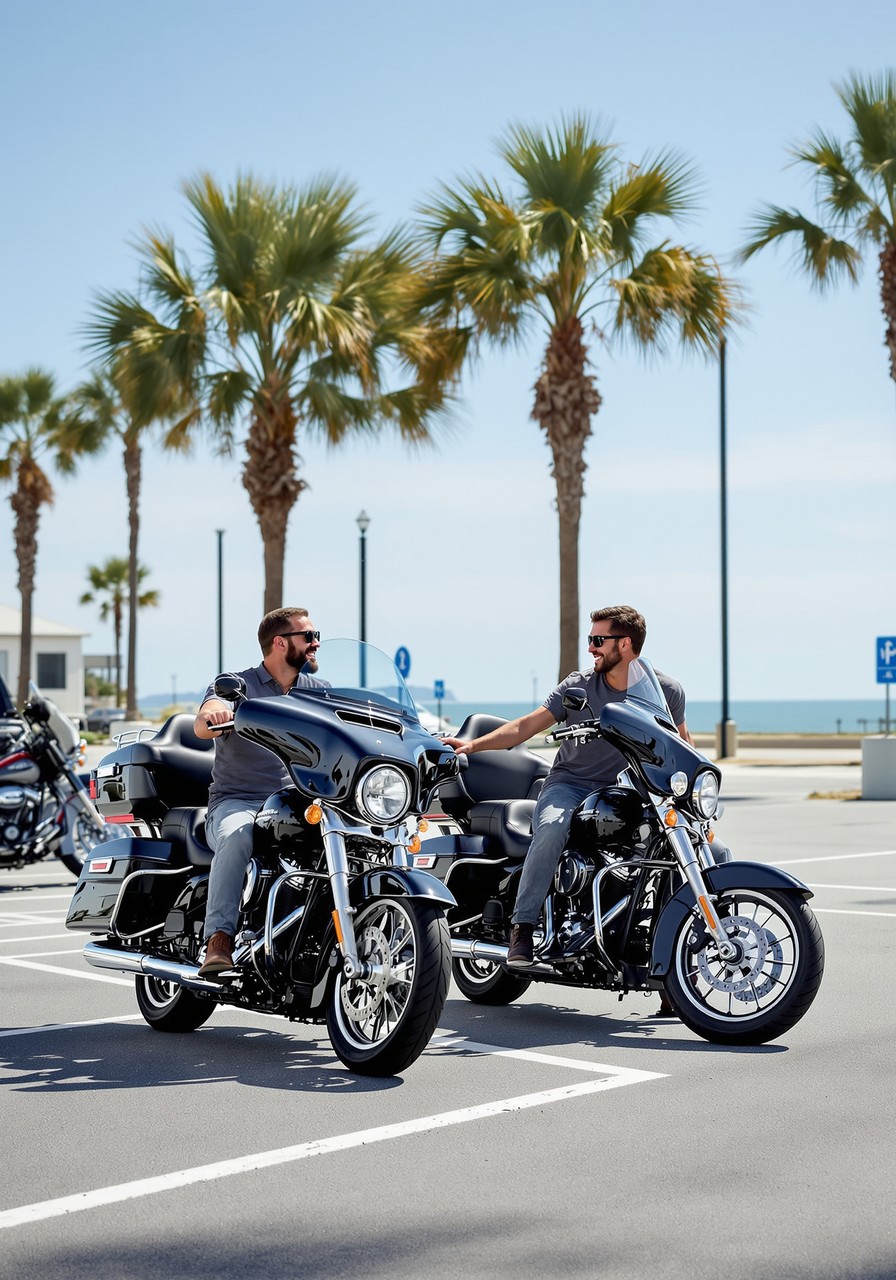
Finish it: the best part of a Gulf Coast winter ride is ______. #RideNationAL #GulfShores #TwoWheels
Giveaway & Countdown
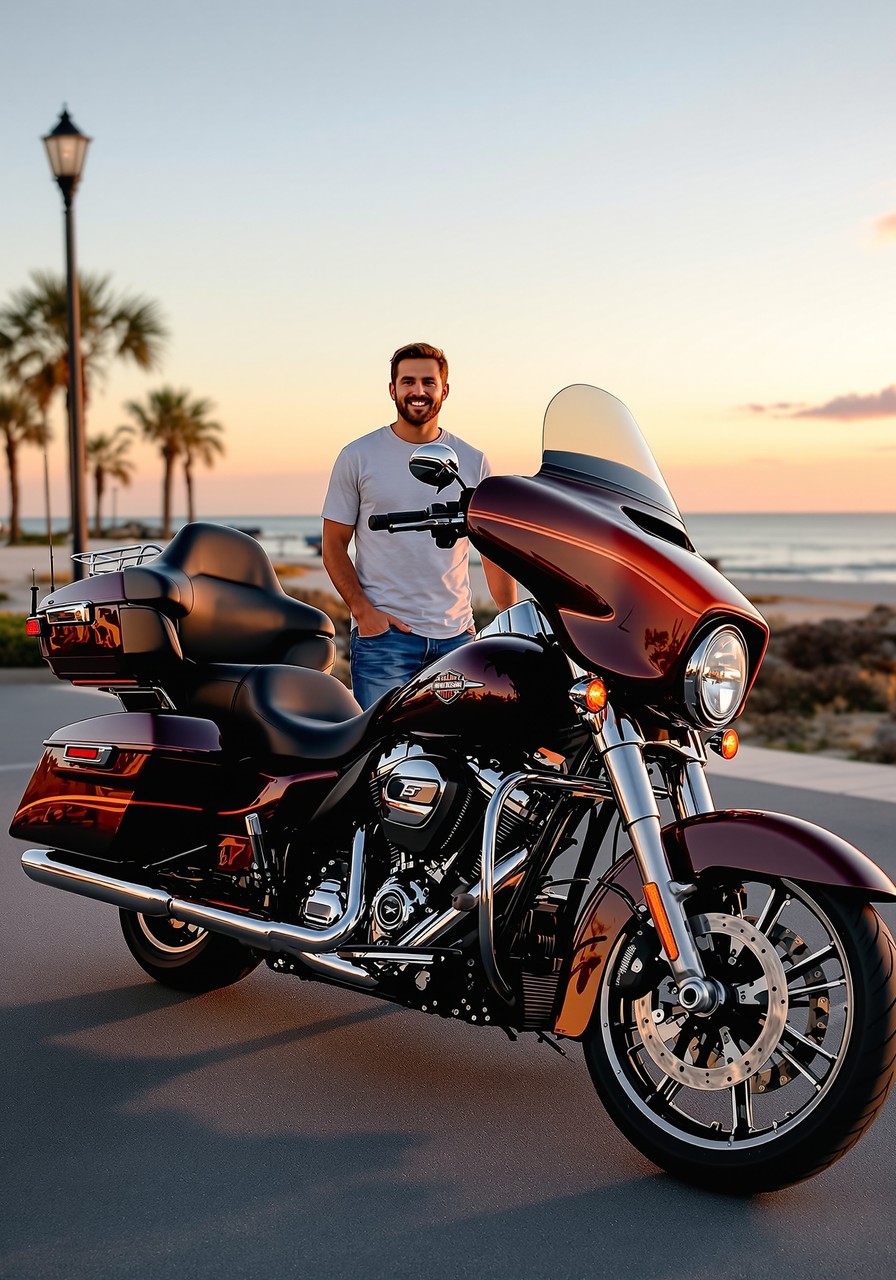
Tag a rider who needs to be in on this $20,000 giveaway. Do not let them miss out. #RideNationAL #BikersWin #AlabamaRiders
Local AL & Rides
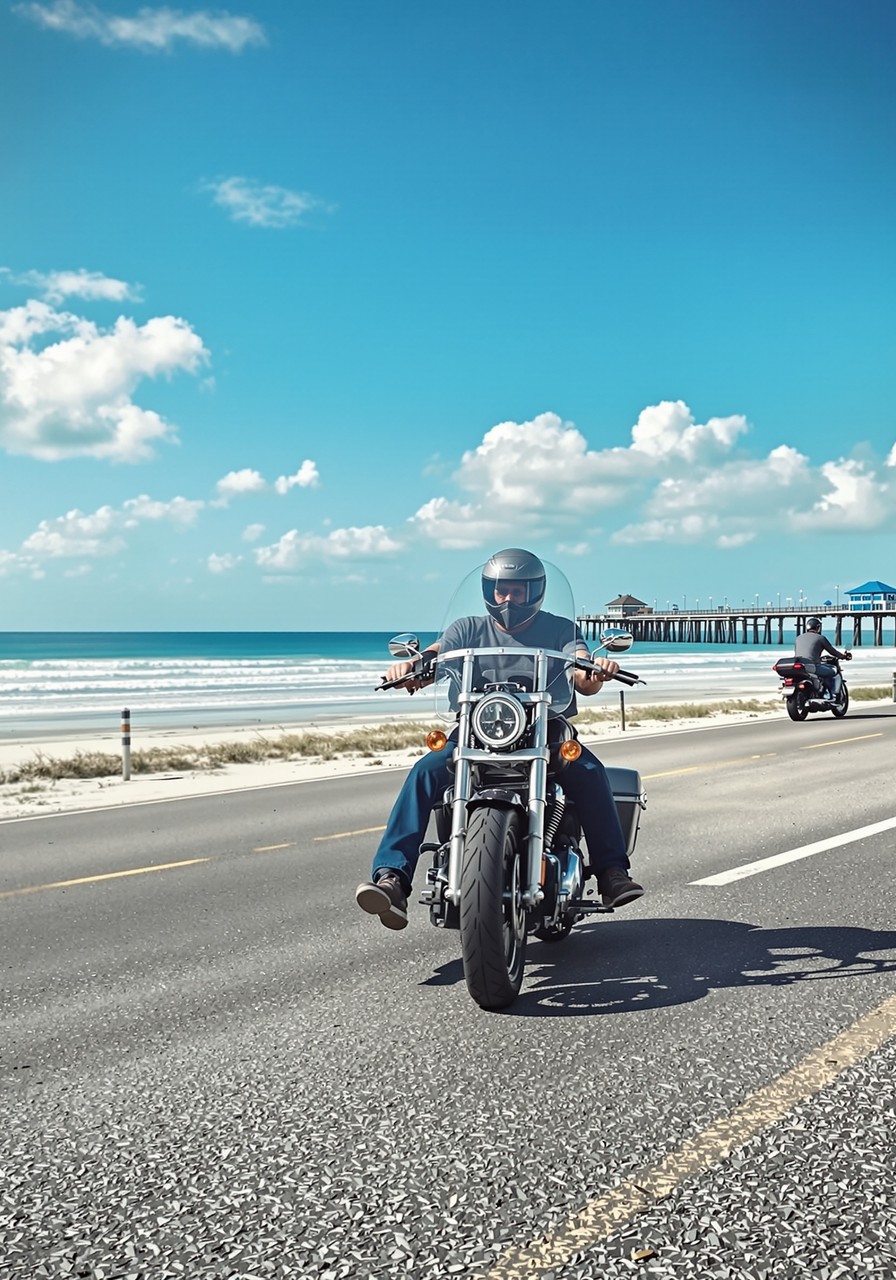
Perdido on a still morning, marsh grass and open water the whole way. One of the calmest rides on the Gulf Coast. #RideNationAL #GulfCoast #GulfCoastRiders
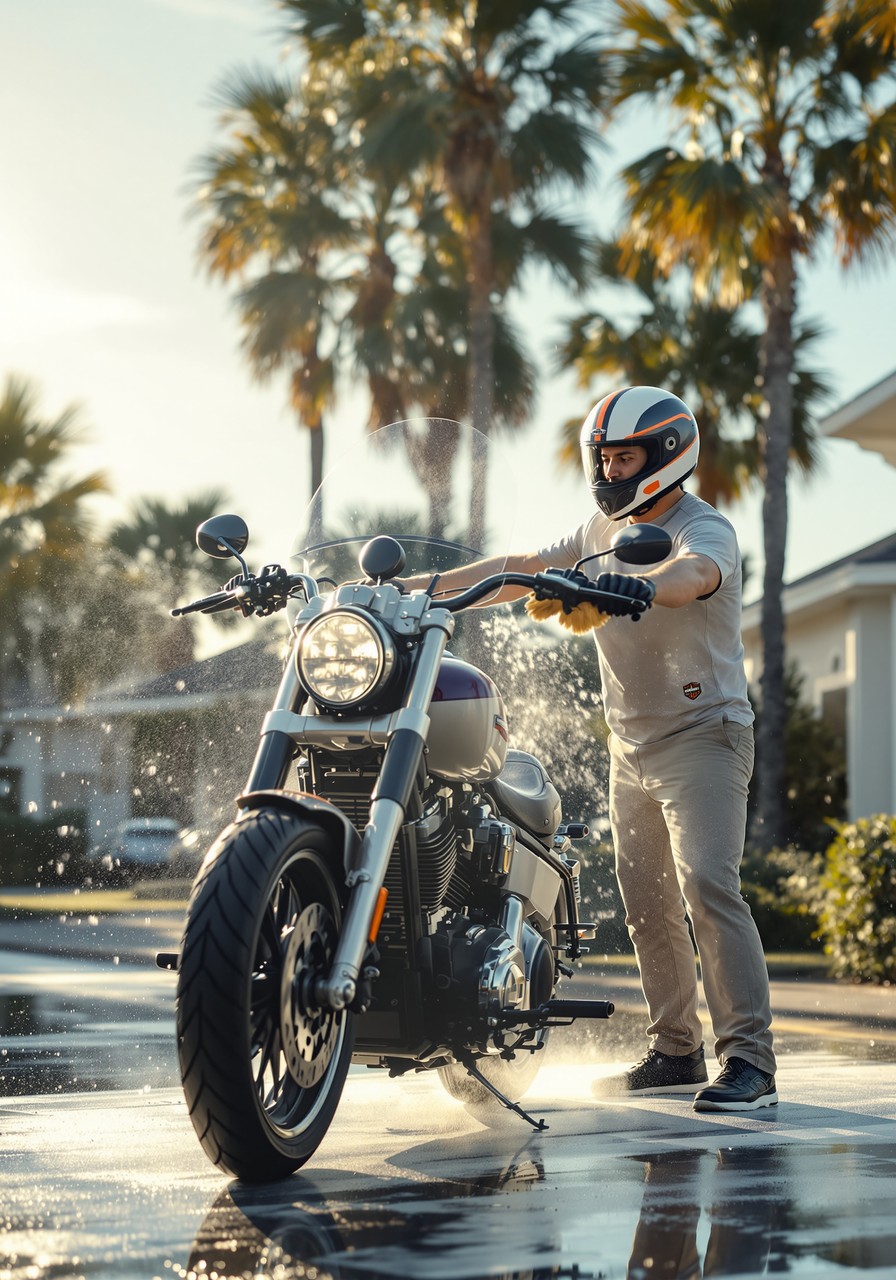
Gear & New Iron
Hot pavement changes your pressure. Set tire PSI cold, in the morning, before the sun bakes the asphalt and skews your reading. #RideNationAL #HotWeatherRiding #MotorcycleMaintenance
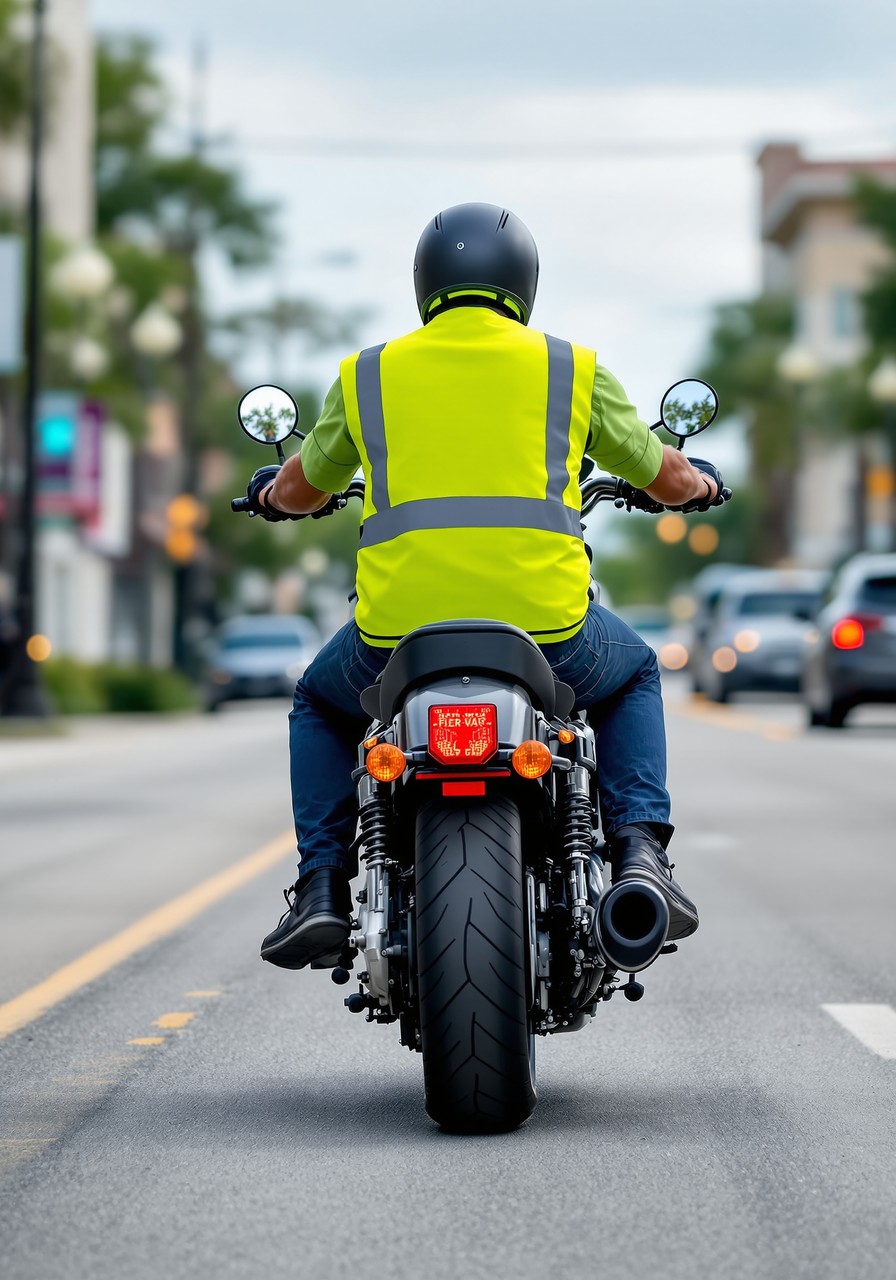
Safety & AL Law
Do you know if your policy has UM and UIM coverage? In Alabama it may be the only real money after a crash with an underinsured driver. Ask us for a free coverage review. #RideNationAL #RiderRights #KnowYourRights
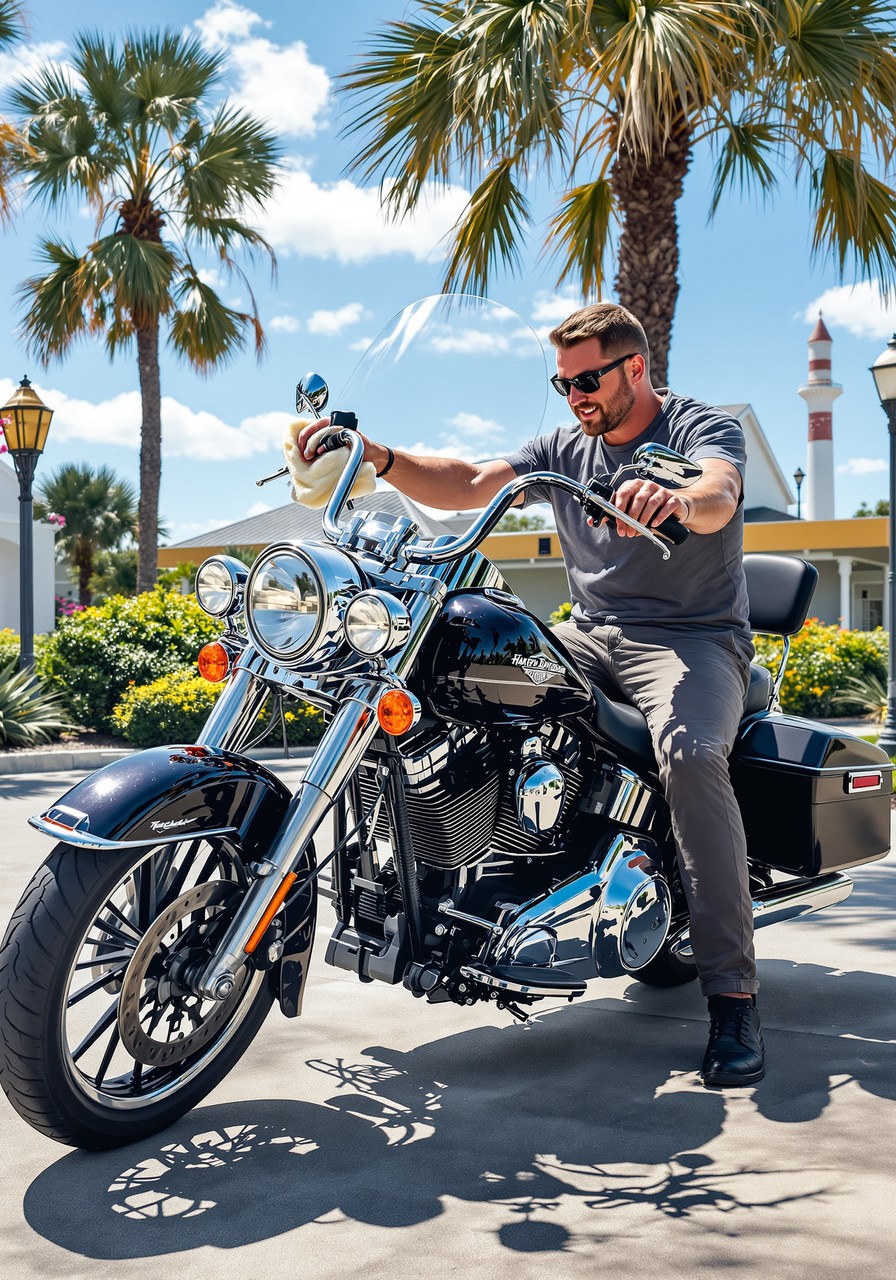
Engagement
Tag your newest rider, the one who just got their license. Welcome them in. #RideNationAL #AlabamaRiders #BaldwinCounty
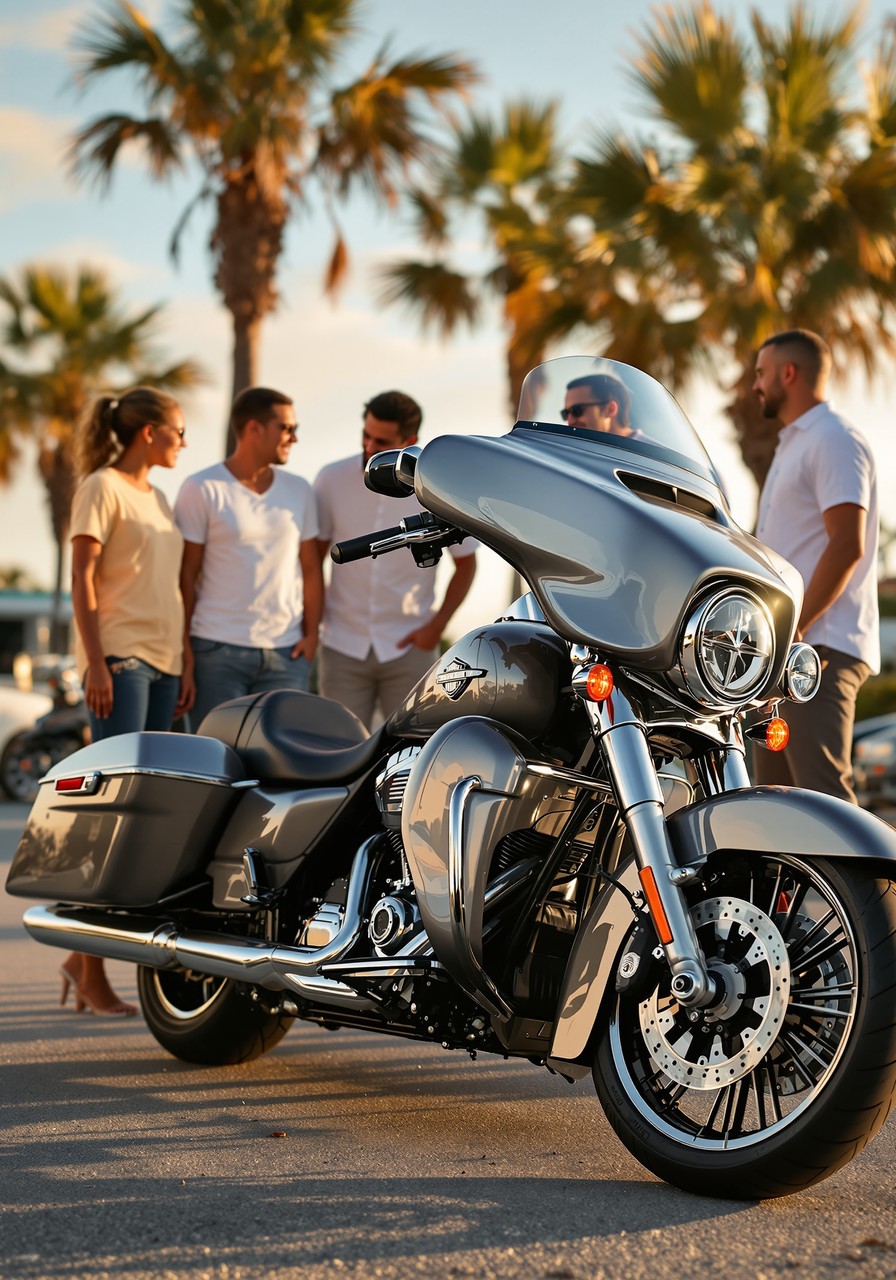
Giveaway & Countdown
Winner energy only. Somebody in Ride Nation Gulf Coast is taking home twenty grand. #RideNationAL #20kGiveaway #GulfShores
Local AL & Rides
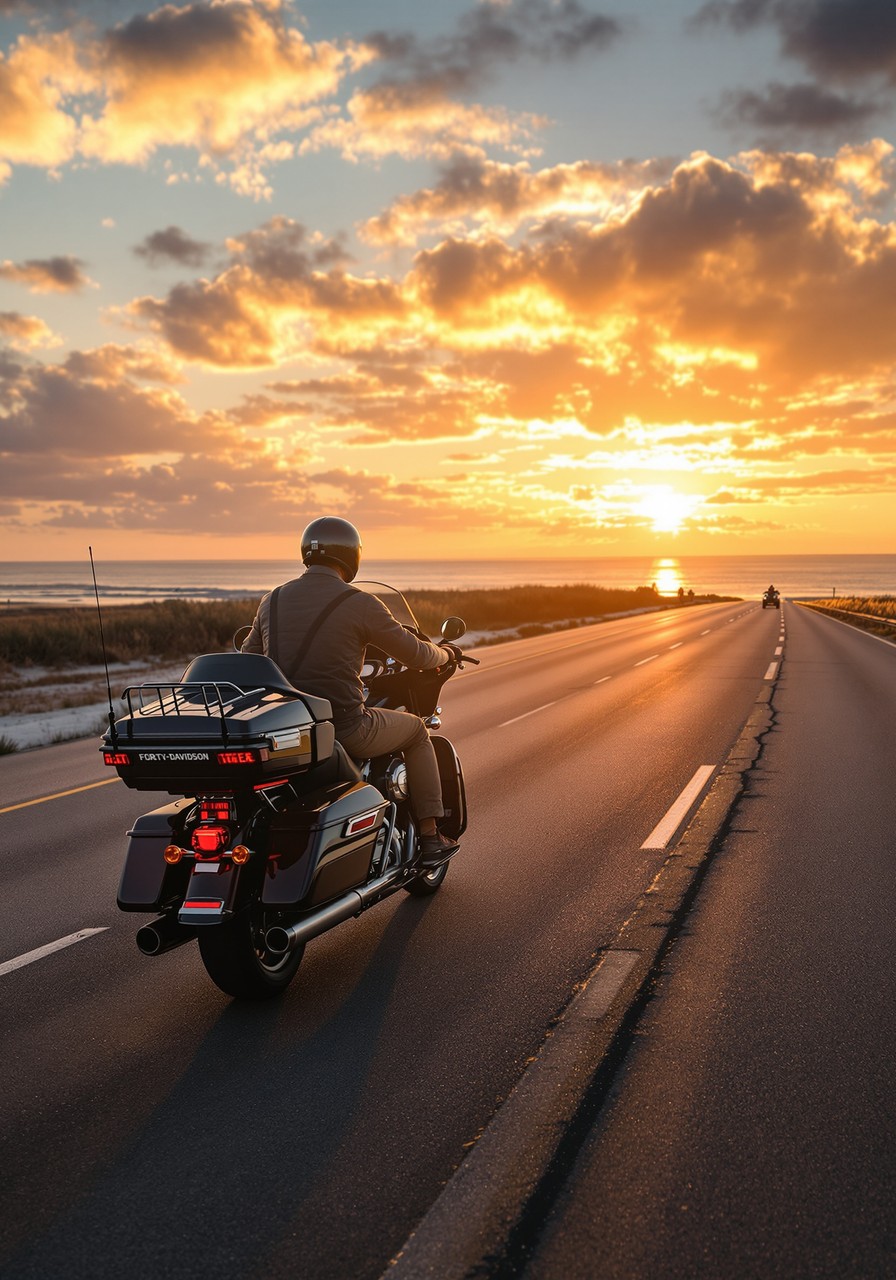
Start planning your spring rally runs now. The Gulf Shores and Orange Beach calendar fills up quick once the weather turns. #RideNationAL #GulfShores #OrangeBeach
Gear & New Iron
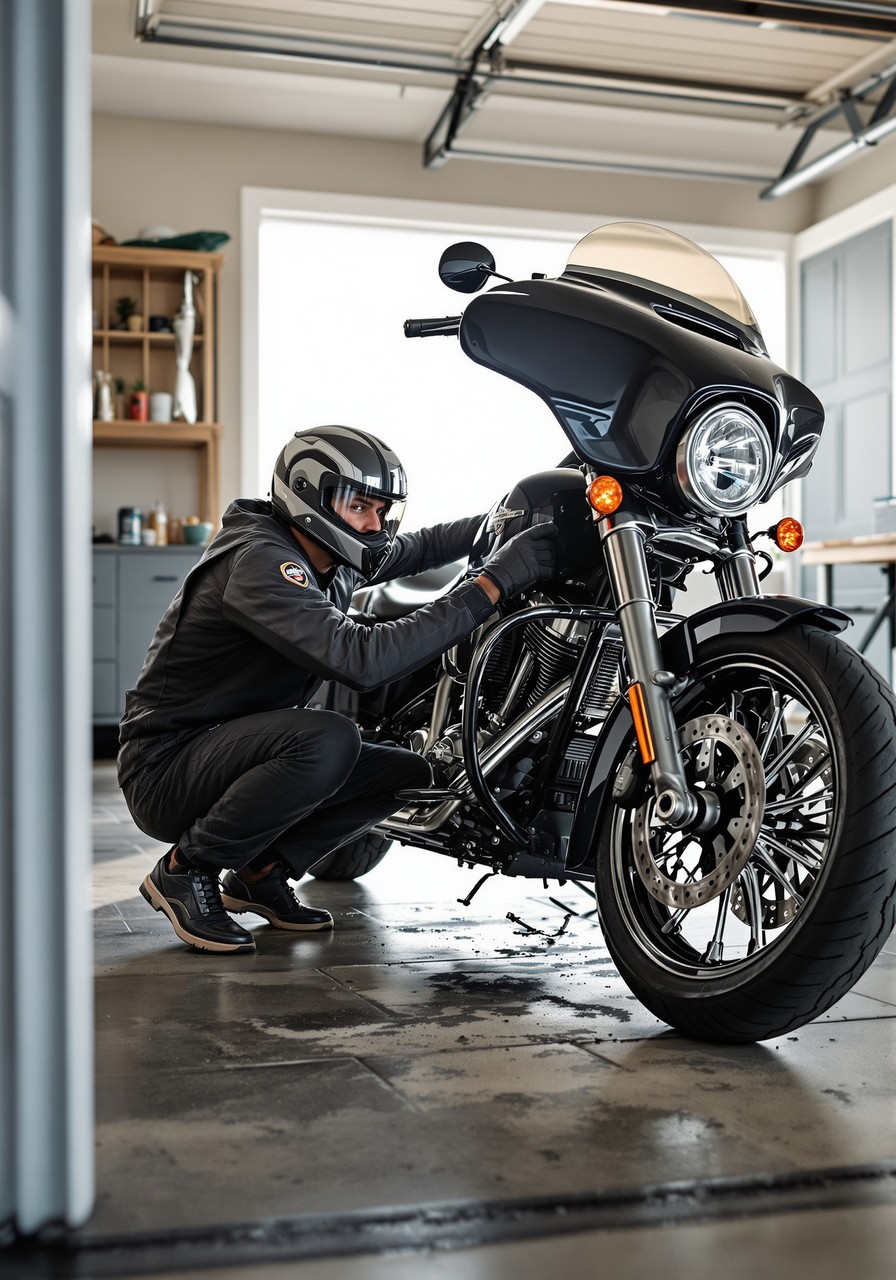
Tread depth matters most in Gulf Coast downpours. Worn tires float on standing water, and that is how a wet turn goes wrong. #RideNationAL #RiderTips #MotorcycleMaintenance
Safety & AL Law
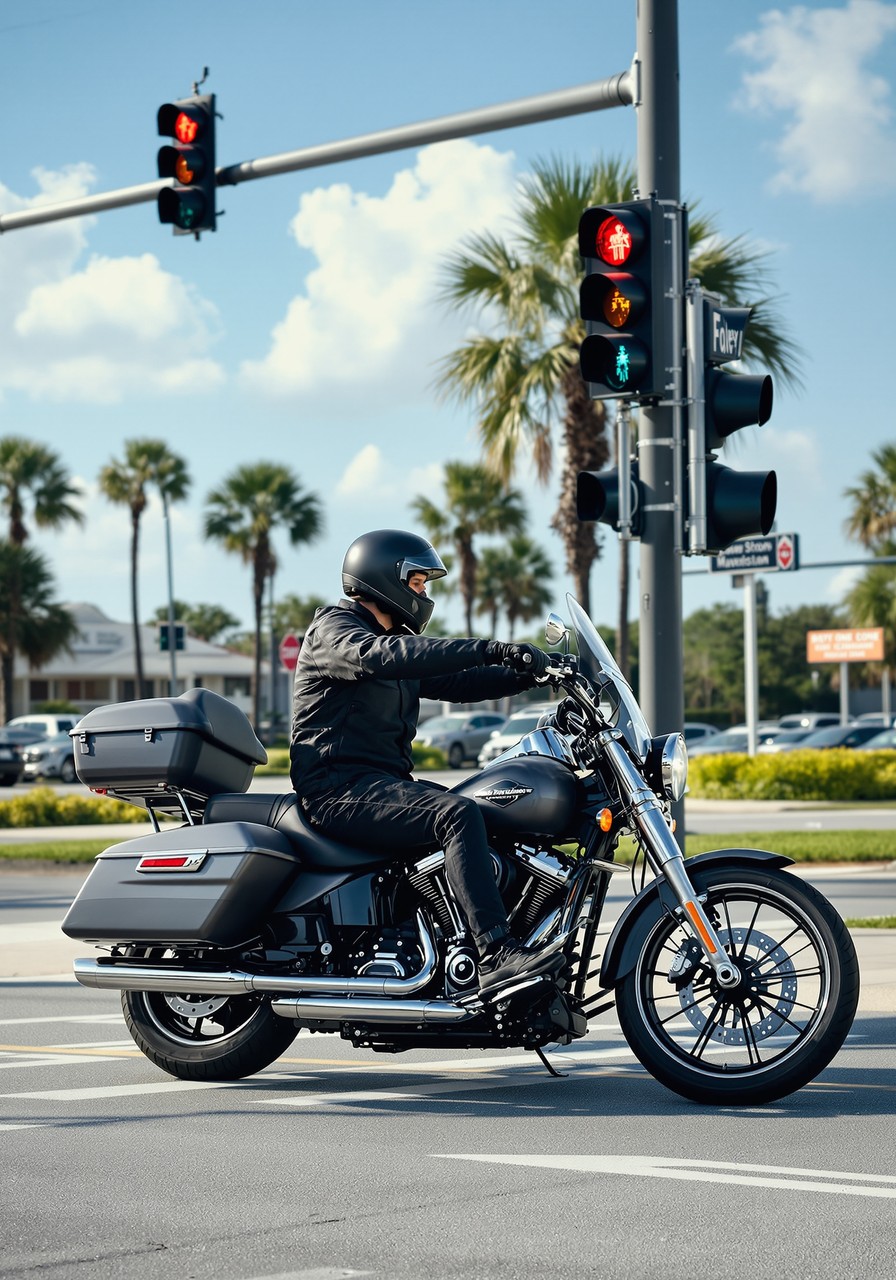
Photos, video, and names before the tow truck arrives. In a pure contributory negligence state, the scene you document is the case you protect. Questions? Call Noel Leonard at (251) 269-0869. #RideNationAL #RiderRights #MotorcycleSafety
Engagement
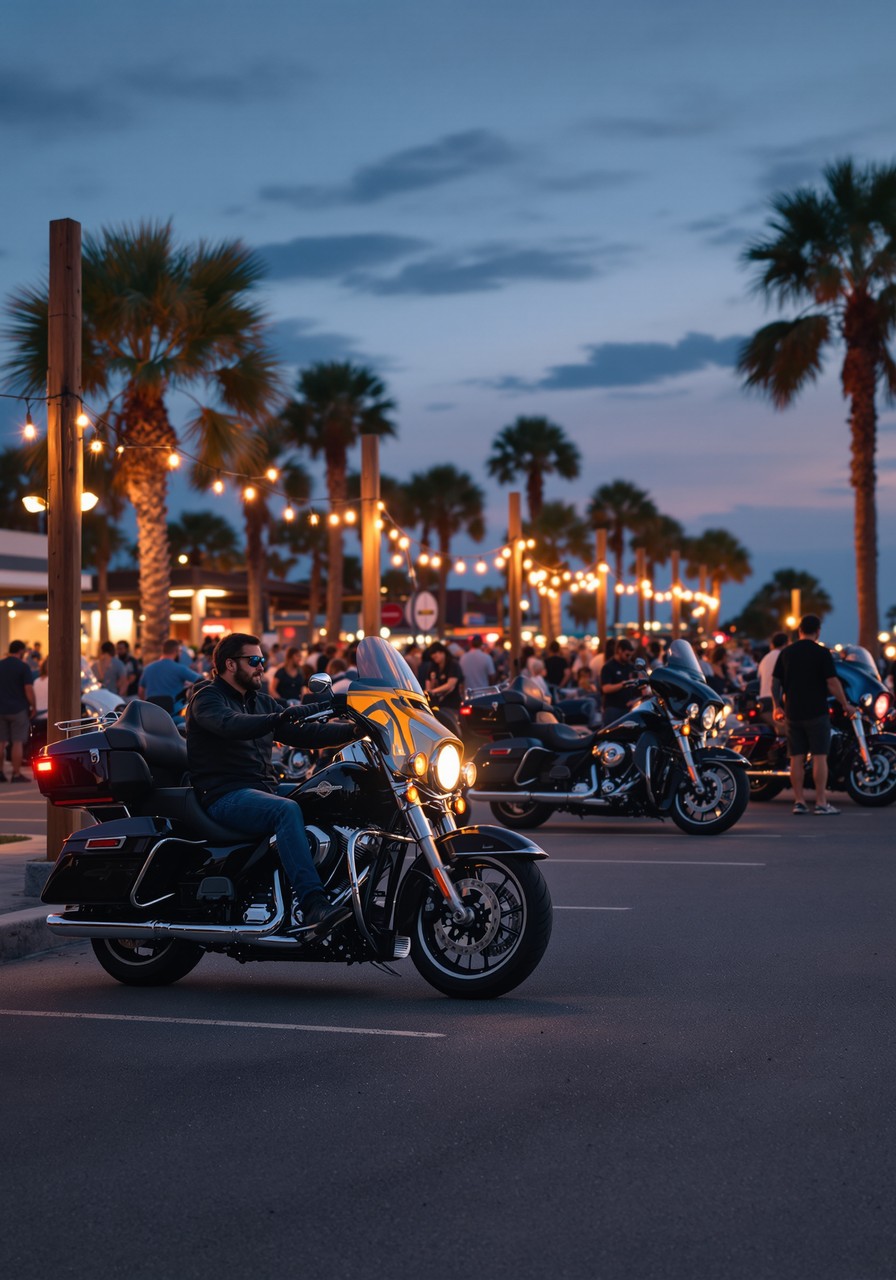
Quick one: gloves on or gloves off for these warm December mornings? #RideNationAL #GulfCoastRiders #TwoWheels
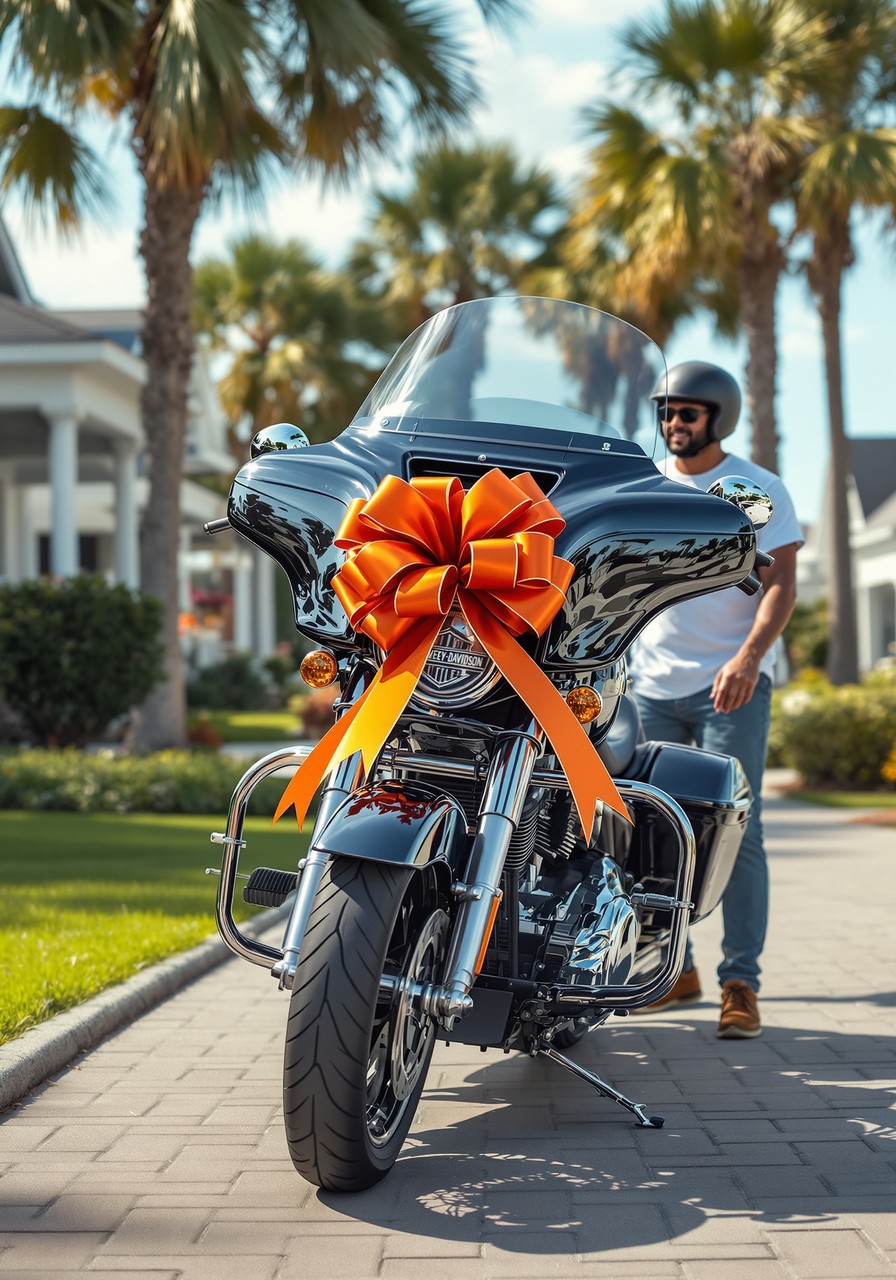
Giveaway & Countdown
Momentum is building. Share this with your riding crew and let us pack the field. #RideNationAL #MotorcycleGiveaway #GulfCoastRiders
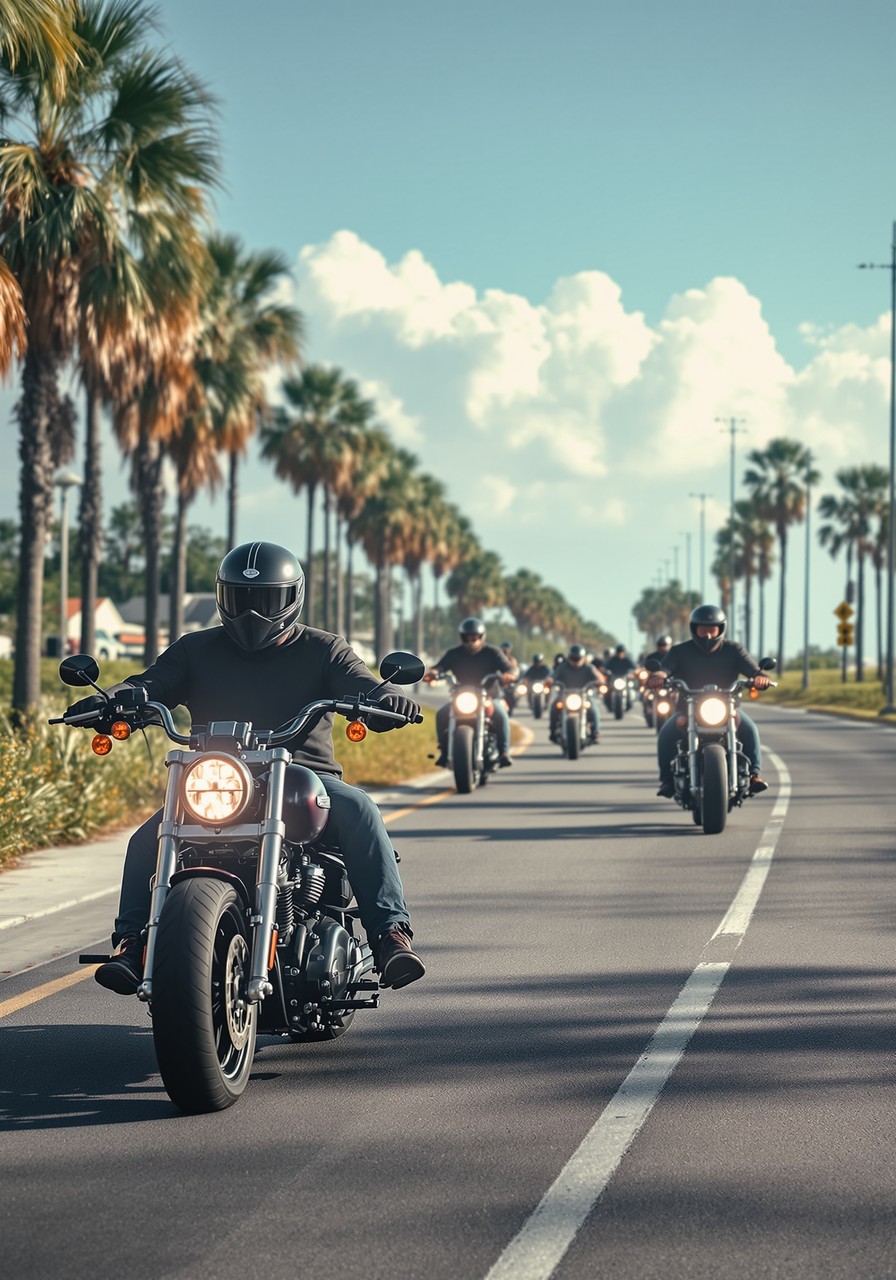
Local AL & Rides
AL-182 shines wet at first light after coastal fog settles on it. Give the paint and the crosswalks room before you trust them. #RideNationAL #GulfShores
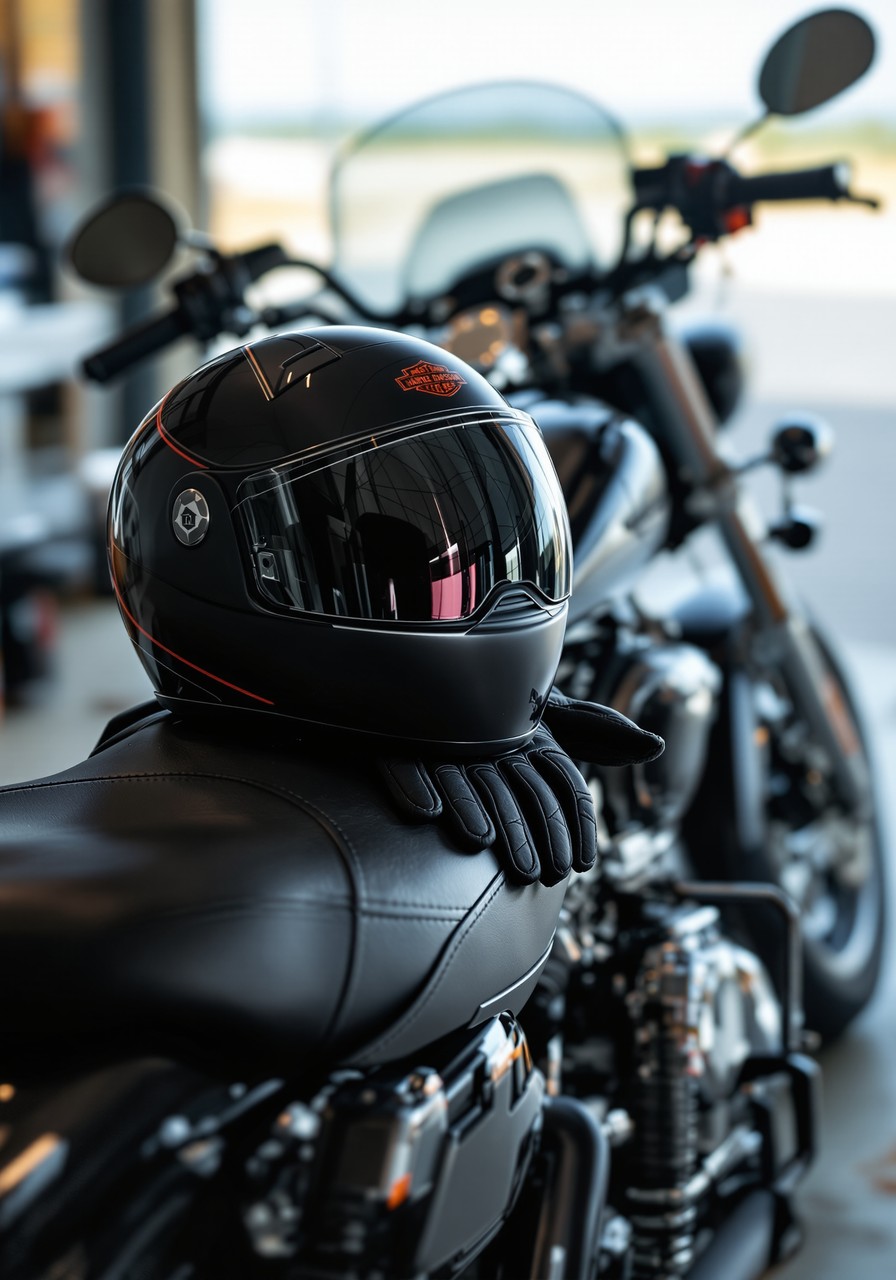
Gear & New Iron
Battery care in the heat: high temps cook batteries faster than cold. Check the terminals for corrosion and keep them clean and tight. #RideNationAL #MotorcycleMaintenance #RiderTips
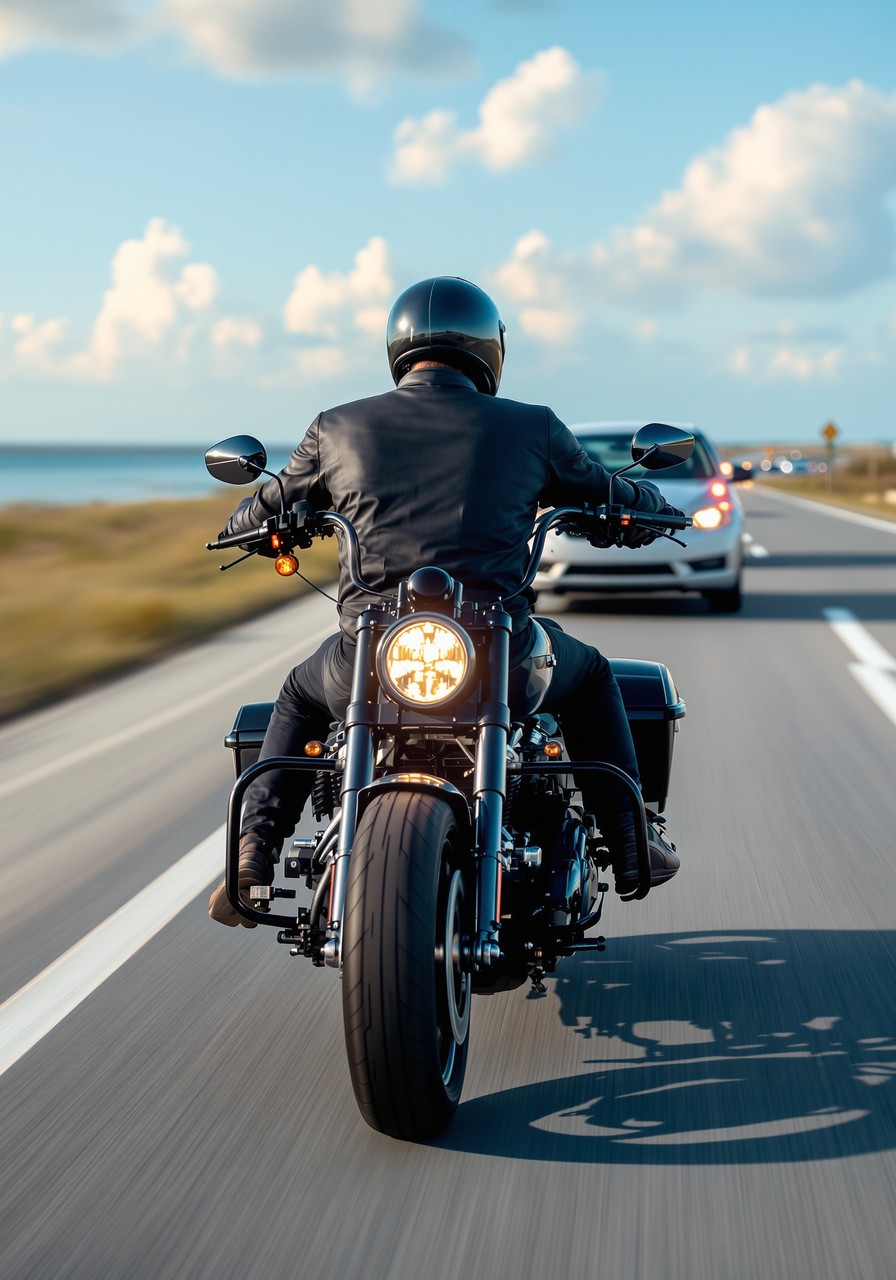
Safety & AL Law
Tourists on Highway 59 are looking for the beach, not for you. Assume the driver waiting to pull out has not seen your headlight and plan an escape route. #RideNationAL #GulfCoastRiders #MotorcycleSafety
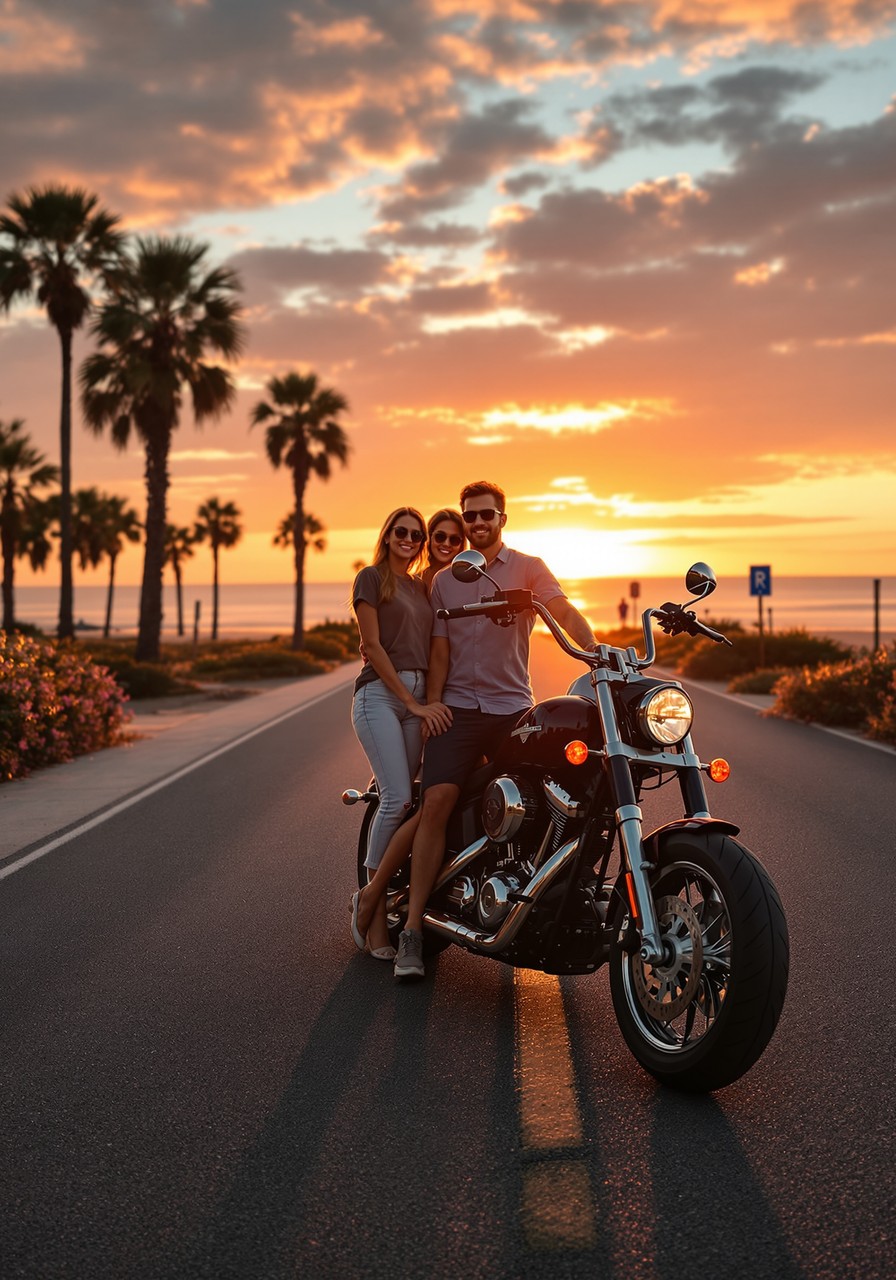
Engagement
Caption this: a line of bikes crossing the bridge toward Orange Beach. #RideNationAL #OrangeBeach #GulfCoastRiders
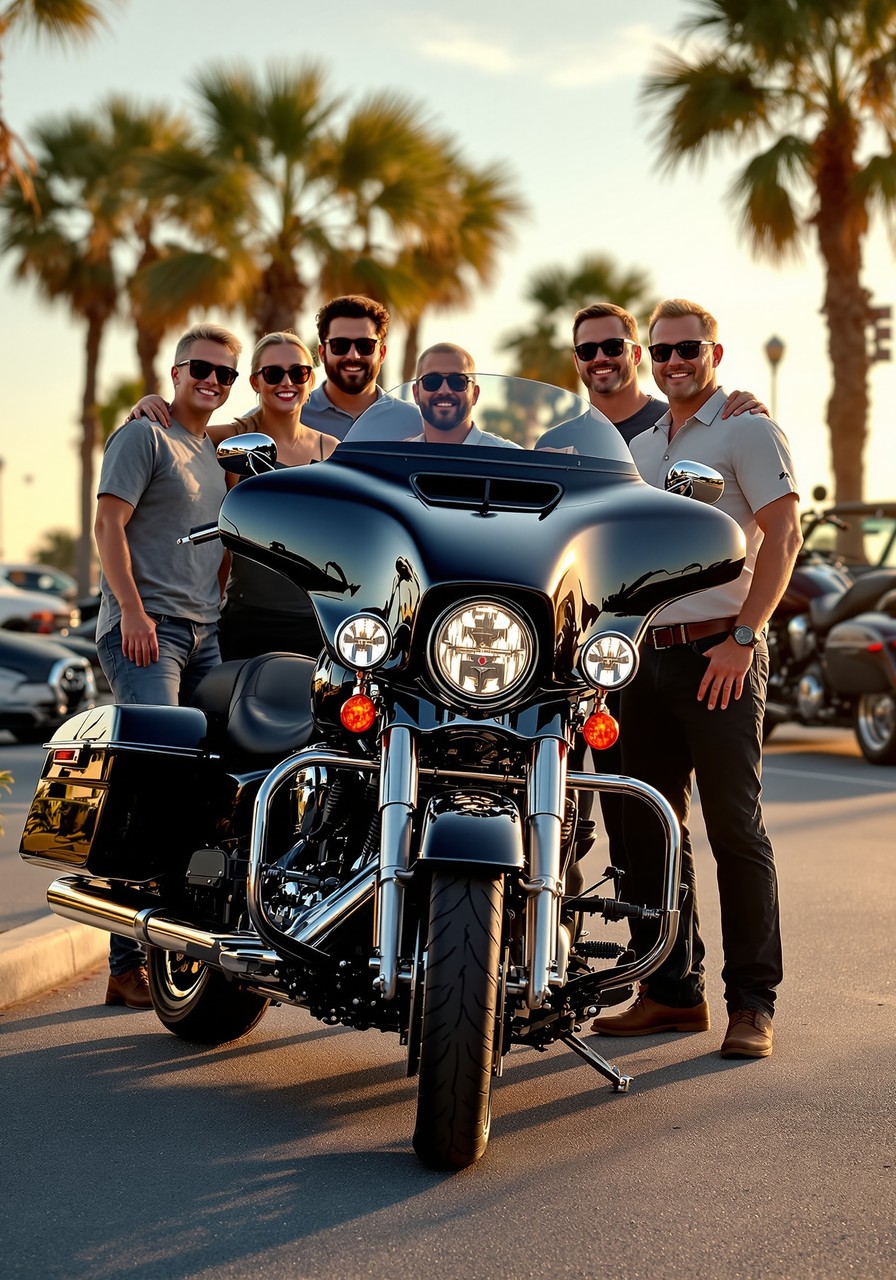
Giveaway & Countdown
Twenty thousand dollars. One lucky rider. The countdown to BikersWin is officially on. #RideNationAL #BikersWin #20kGiveaway
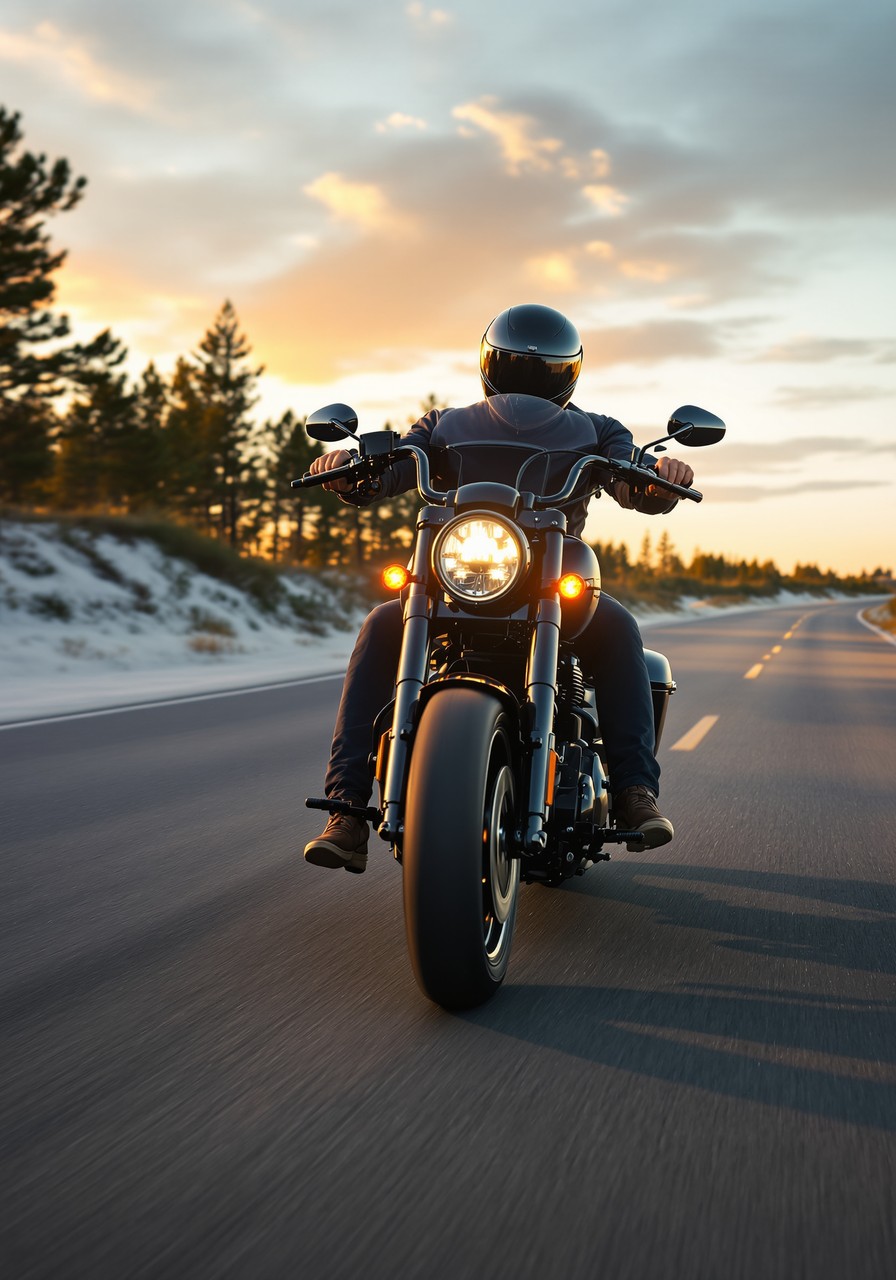
Local AL & Rides
Highway 59 in Foley on a weekday morning is your warm up before the coast opens up. Easy pace, good coffee, then head south. #RideNationAL #BaldwinCounty
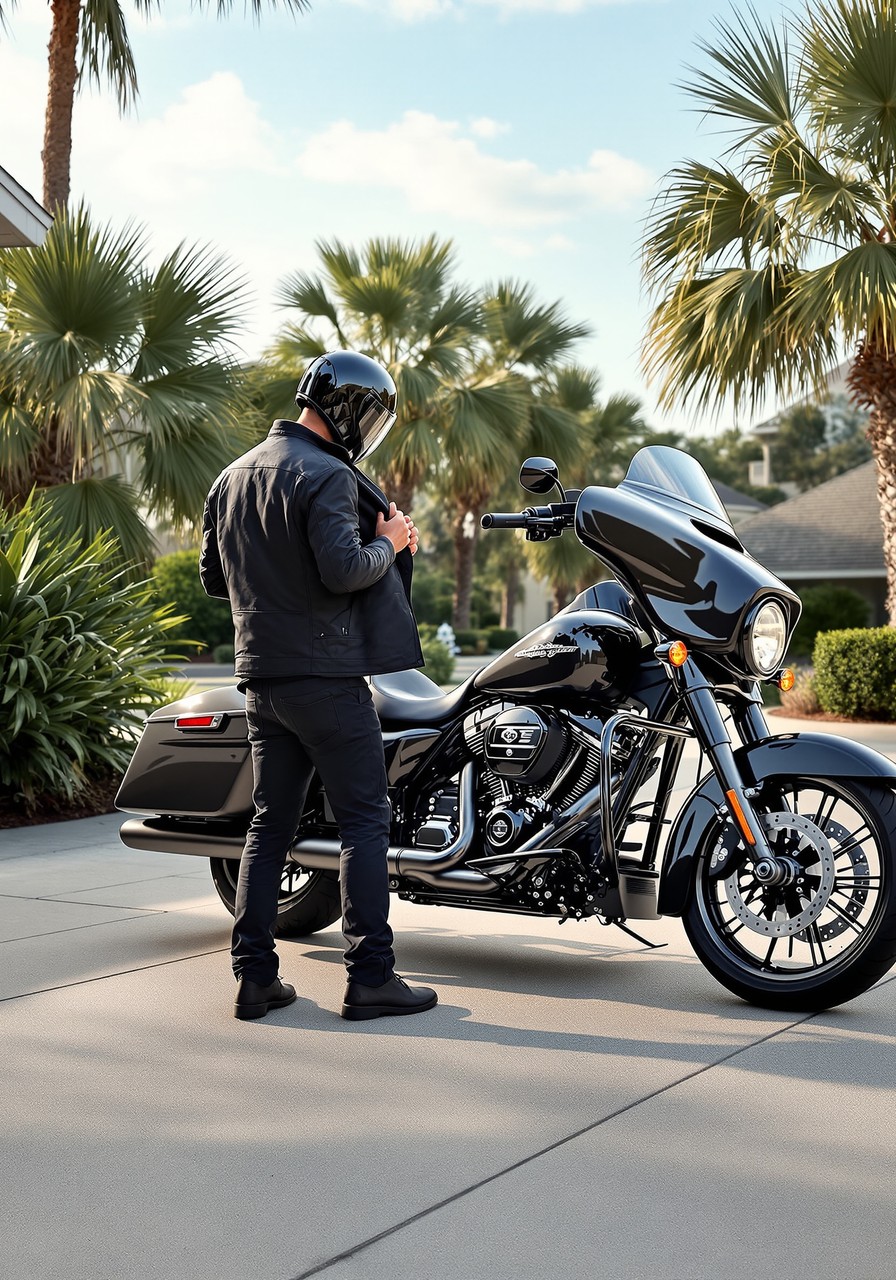
Gear & New Iron
A tender keeps your battery healthy between rides. If the bike sits through a rainy week, a maintainer saves you a dead start. #RideNationAL #MotorcycleMaintenance #BikerLife
Safety & AL Law
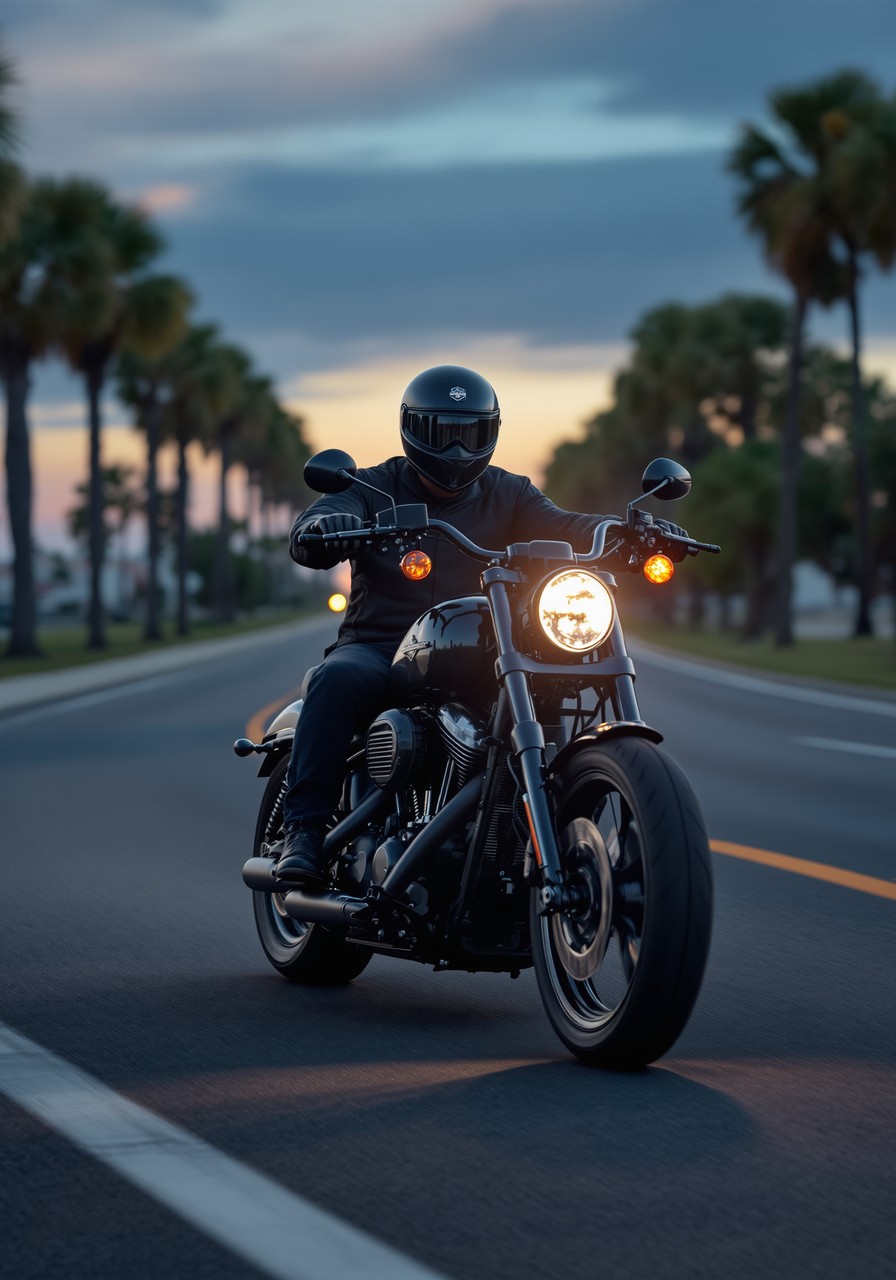
A DOT helmet is required for every rider and passenger in Alabama, and it is the one piece of gear that most often decides the outcome. Wear it every time, and if you are hurt, call Noel Leonard at (251) 269-0869. #RideNationAL #ATGATT #AlabamaRiders
Engagement
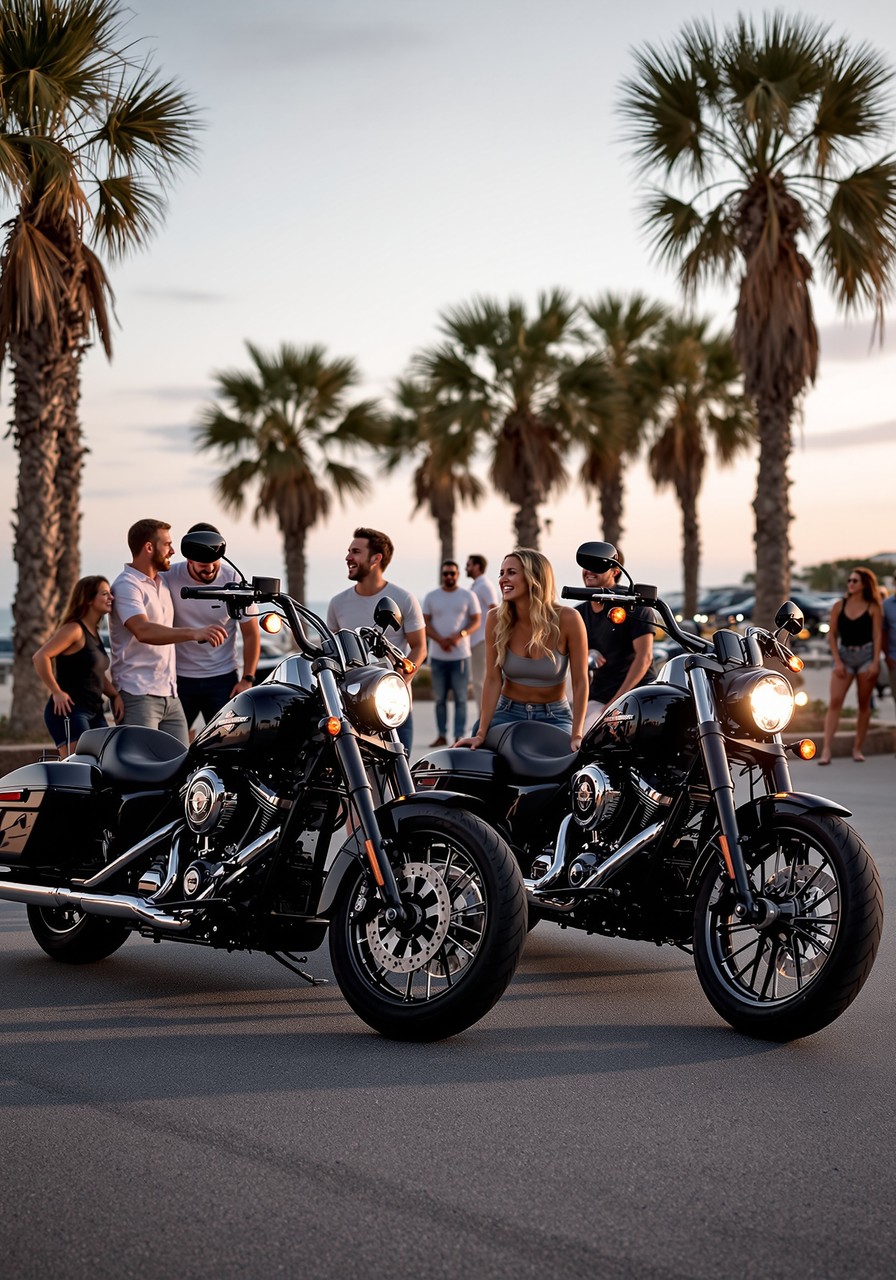
This or that: early morning glass-calm roads or golden hour with the beach crowd. #RideNationAL #GulfShores #TwoWheels
Giveaway & Countdown
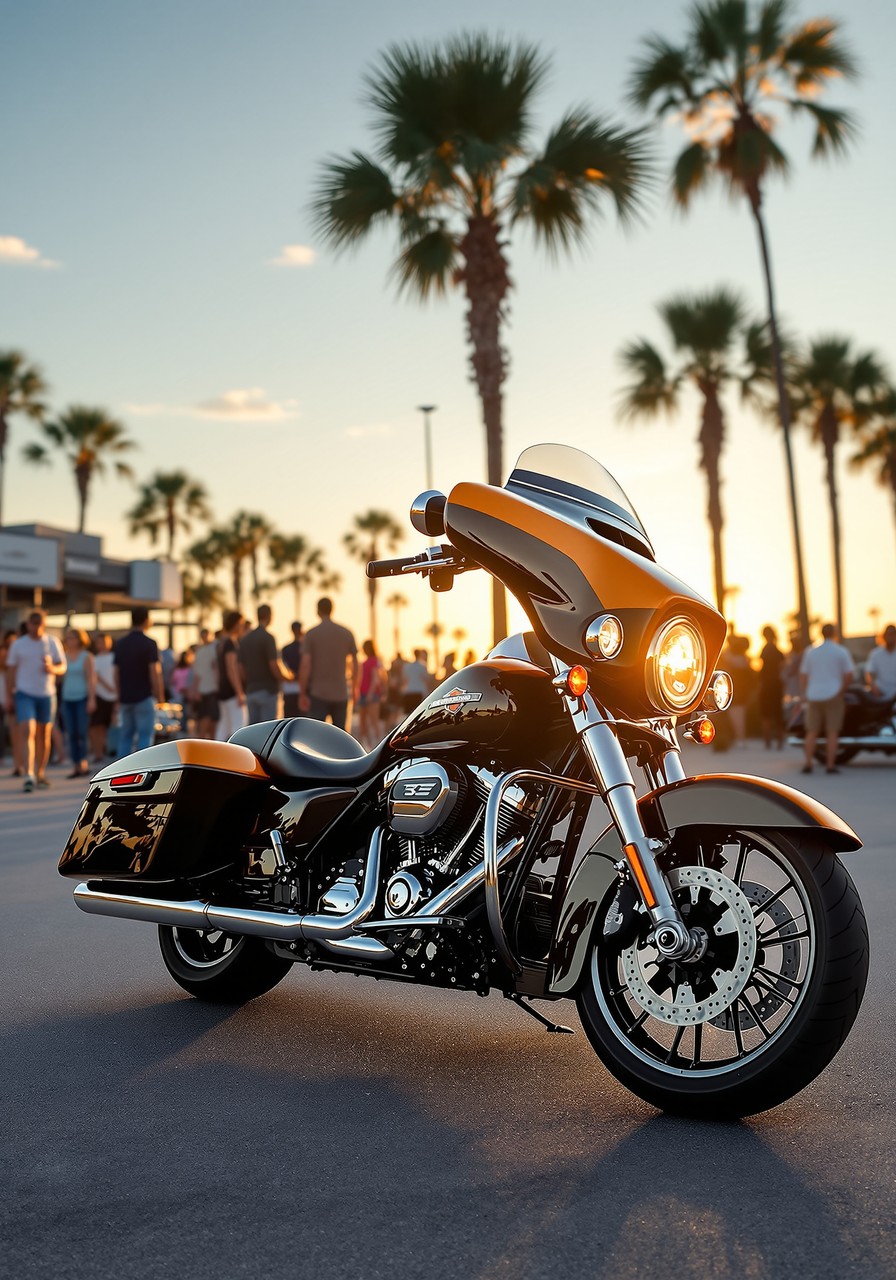
Every day is a day closer. Keep spreading the word about the $20,000 giveaway, Gulf Coast. #RideNationAL #BikersWin #GulfCoastRiders
Local AL & Rides
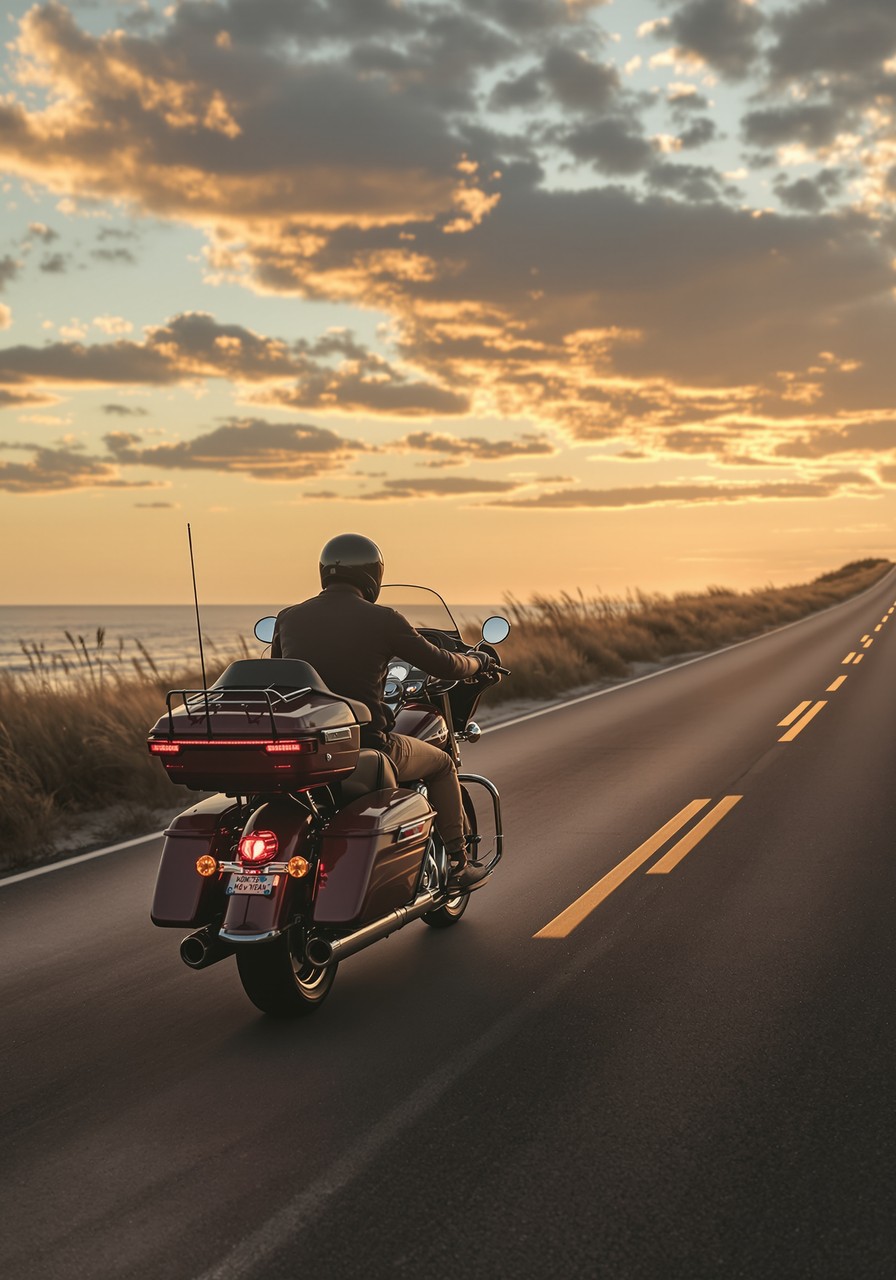
Gulf State Park to Orange Beach and back makes a clean short loop when you only have an hour. Local roads, local pace. #RideNationAL #OrangeBeach #GulfShores
Gear & New Iron
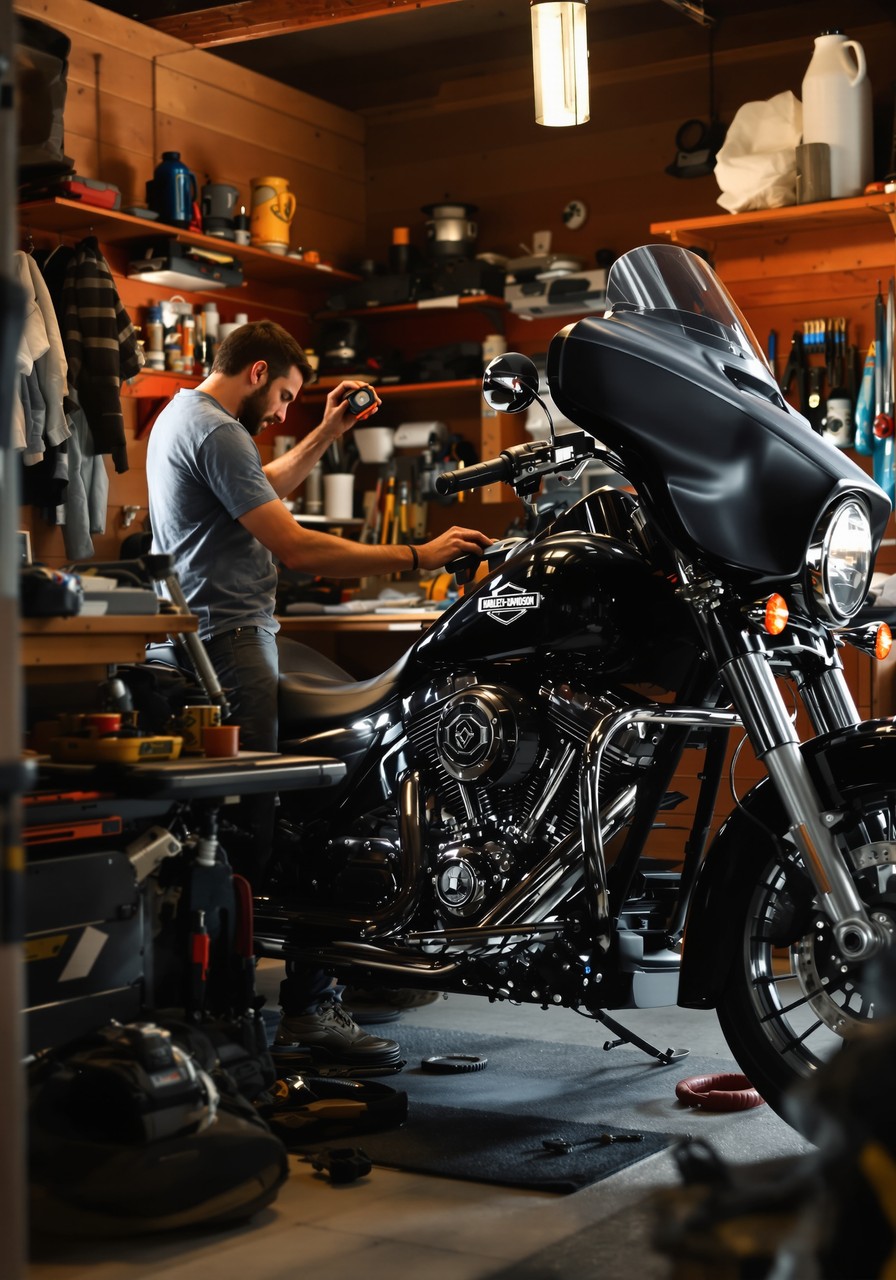
Brake fluid absorbs moisture, and humid coastal air makes it worse. Flush it on schedule so your lever stays firm when you need it. #RideNationAL #MotorcycleMaintenance #RiderTips
Safety & AL Law
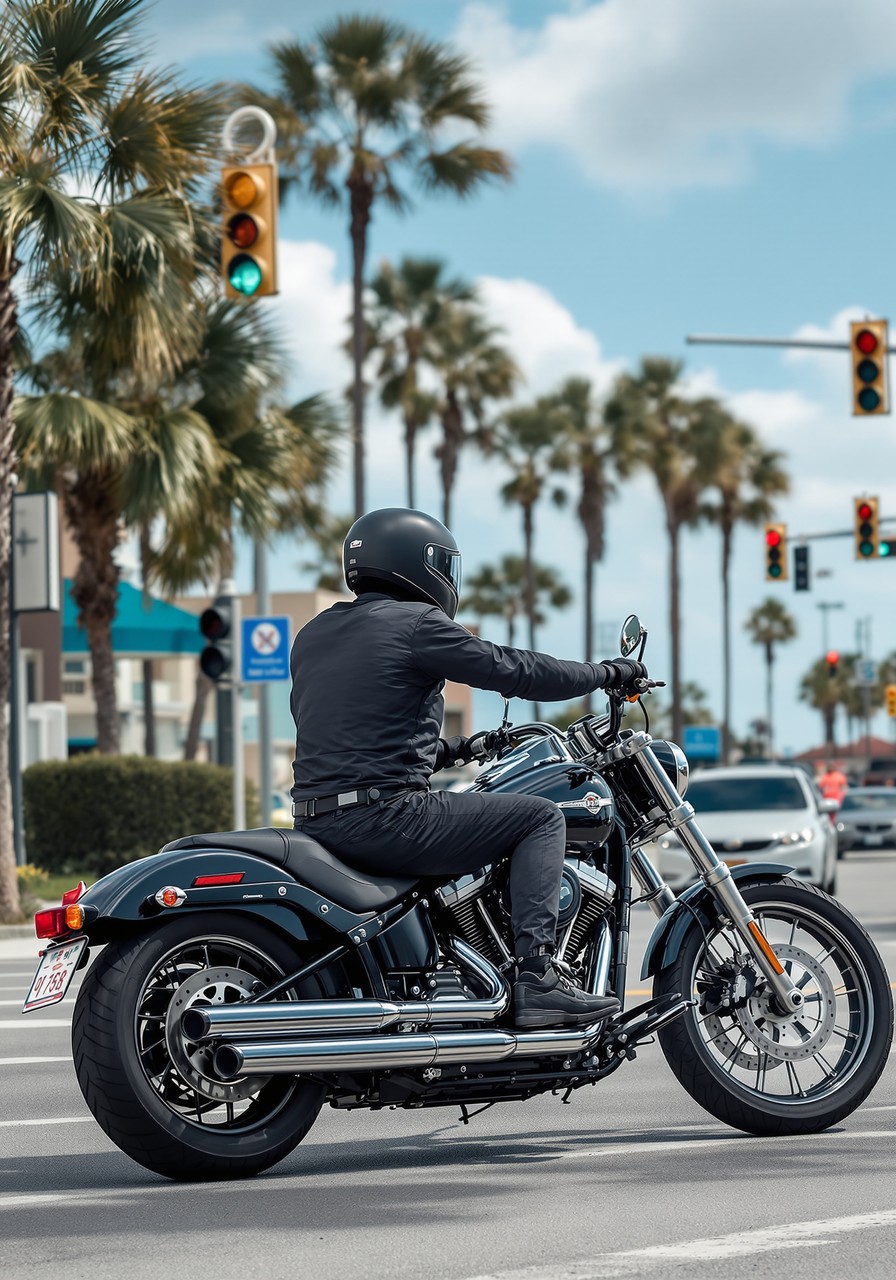
Two years sounds like plenty until the deadline is next week. If you were hurt on your bike, do not wait to learn your options. Call Noel Leonard at (251) 269-0869. #RideNationAL #KnowYourRights #RiderRights
Engagement
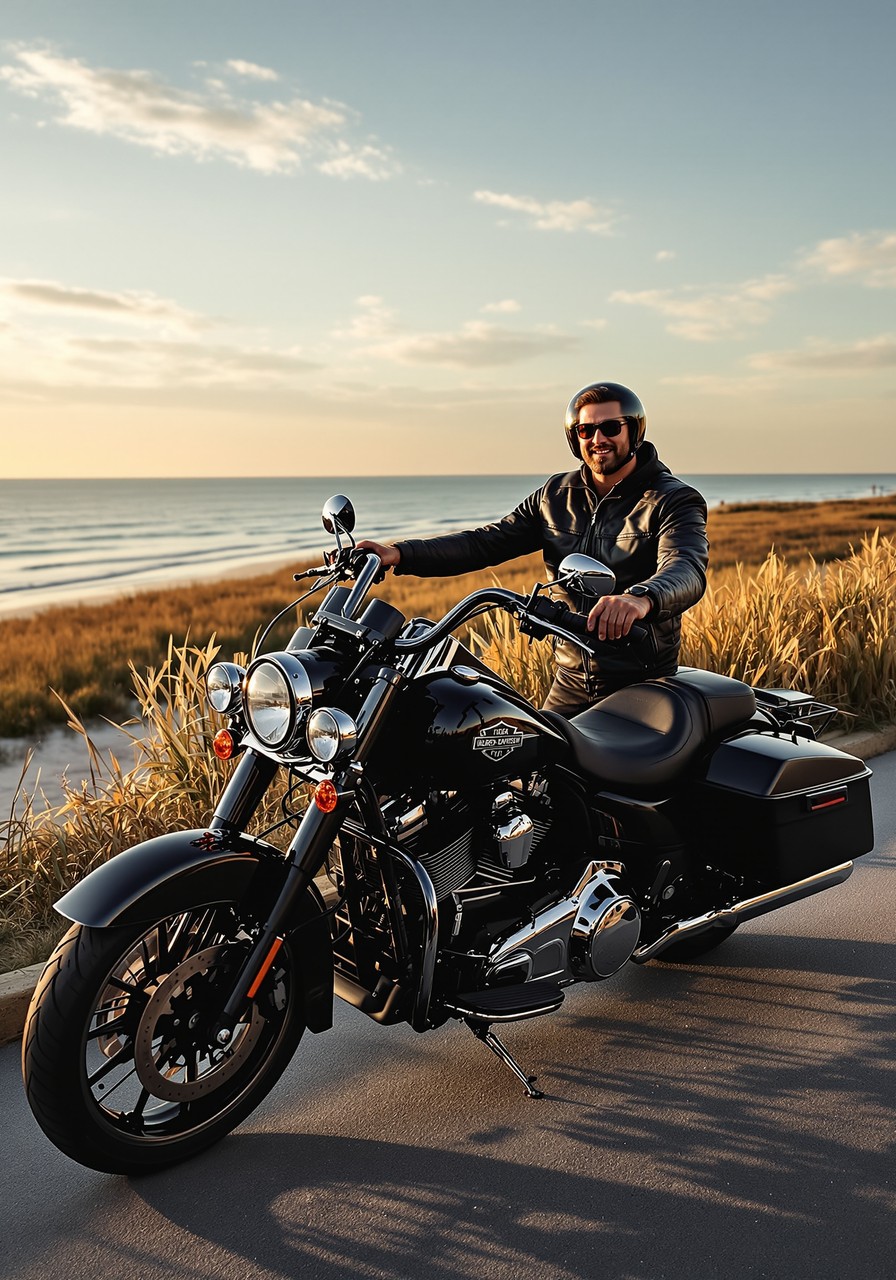
Fill in the blank: my go-to Gulf Coast ride buddy is ______. Tag them. #RideNationAL #RideOrDie #AlabamaRiders
Giveaway & Countdown
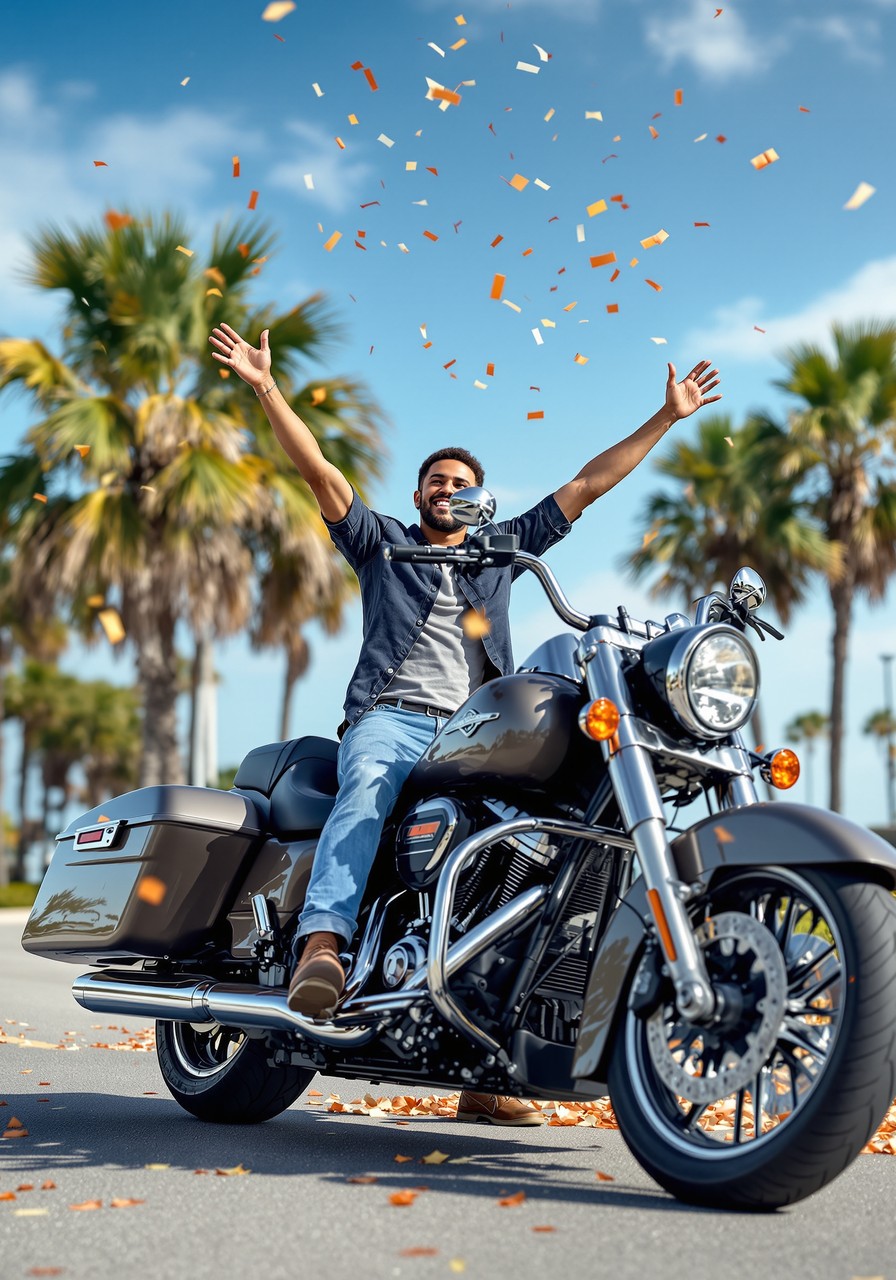
Big things brewing for Ride Nation. The BikersWin giveaway is picking up speed. #RideNationAL #MotorcycleGiveaway #AlabamaRiders
Local AL & Rides
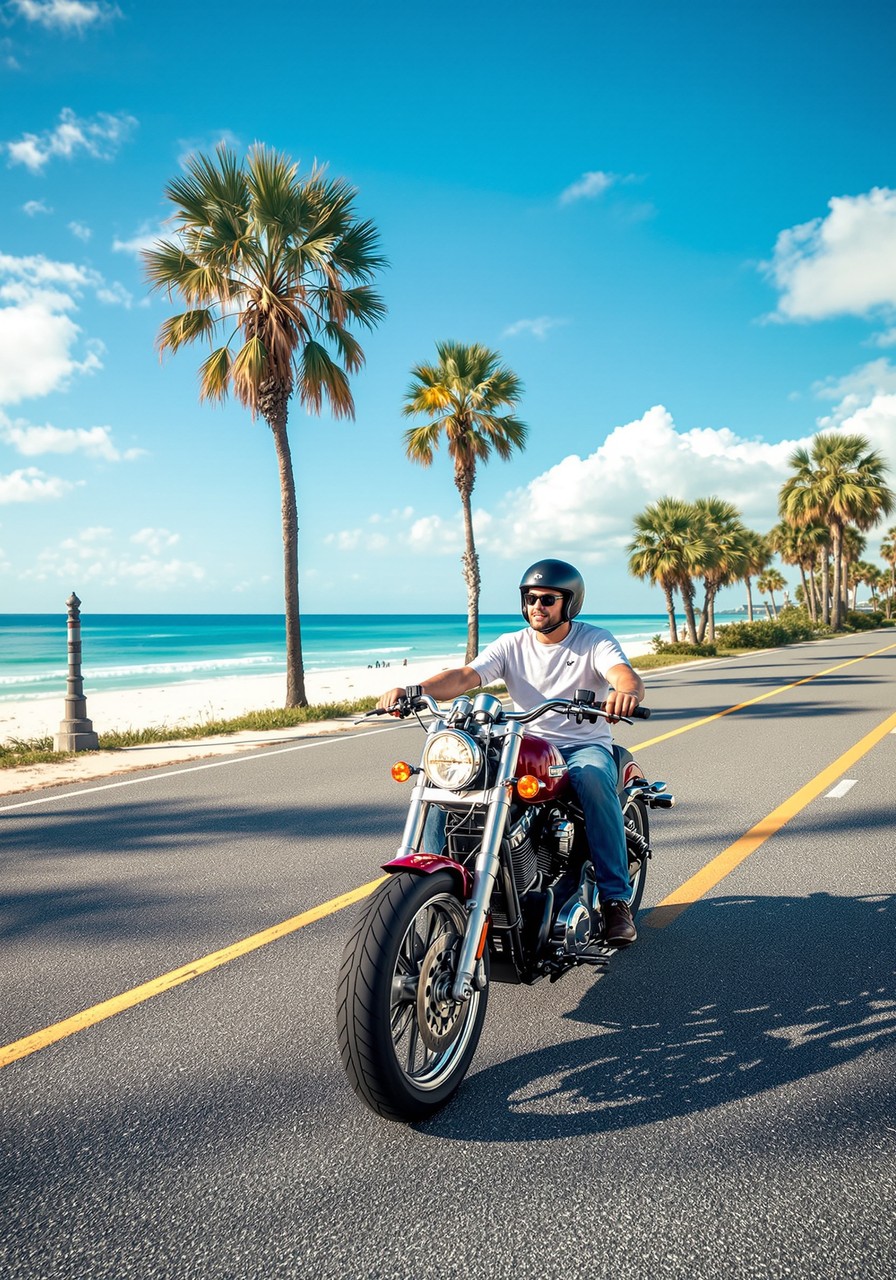
Winter tourists do not know these roads like you do. Ride defensively at every beach access on AL-182 and let it go. #RideNationAL #GulfShores #GulfCoast
Gear & New Iron
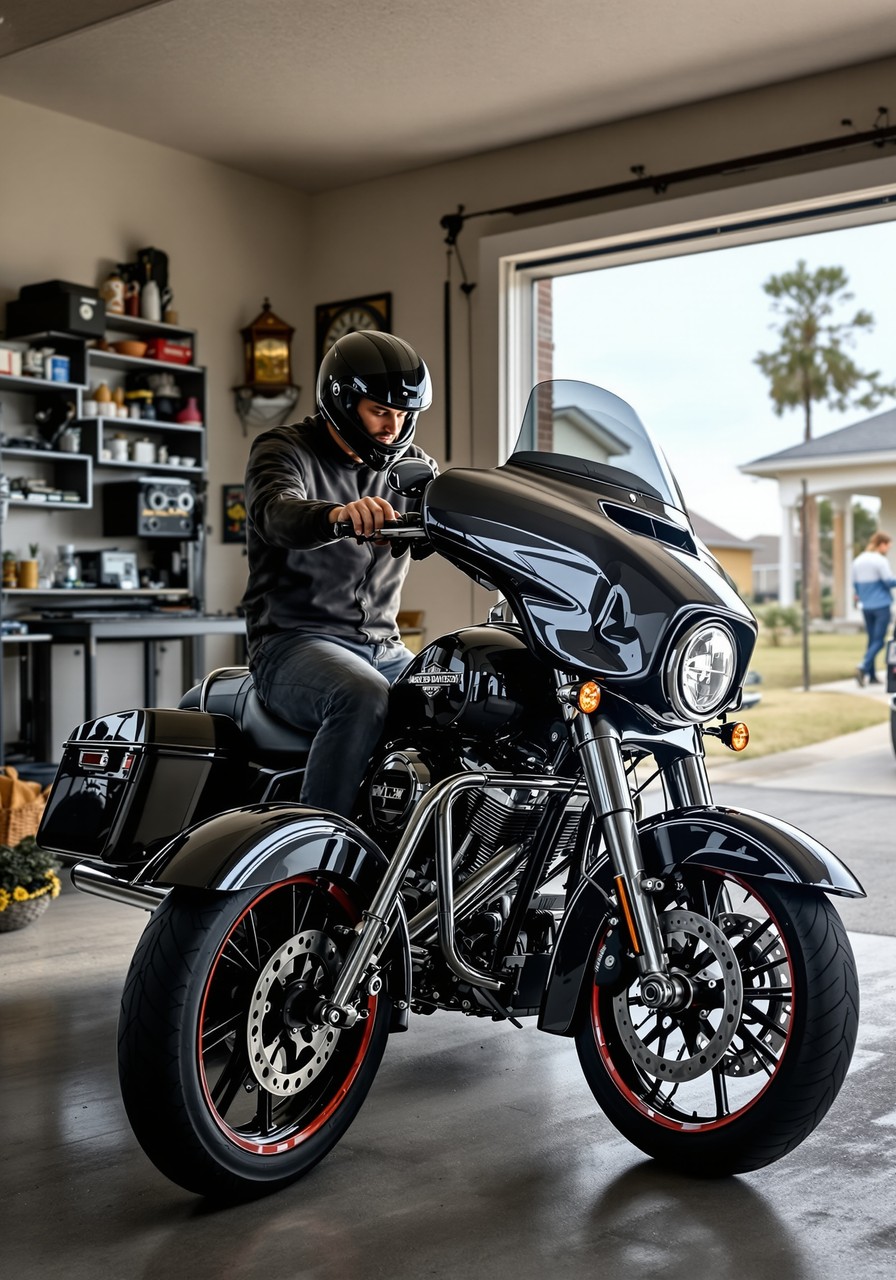
Spongy brakes are a warning, not a quirk. Old fluid full of moisture boils under hard stops. Bleed it and get your bite back. #RideNationAL #MotorcycleMaintenance #RiderTips
Safety & AL Law
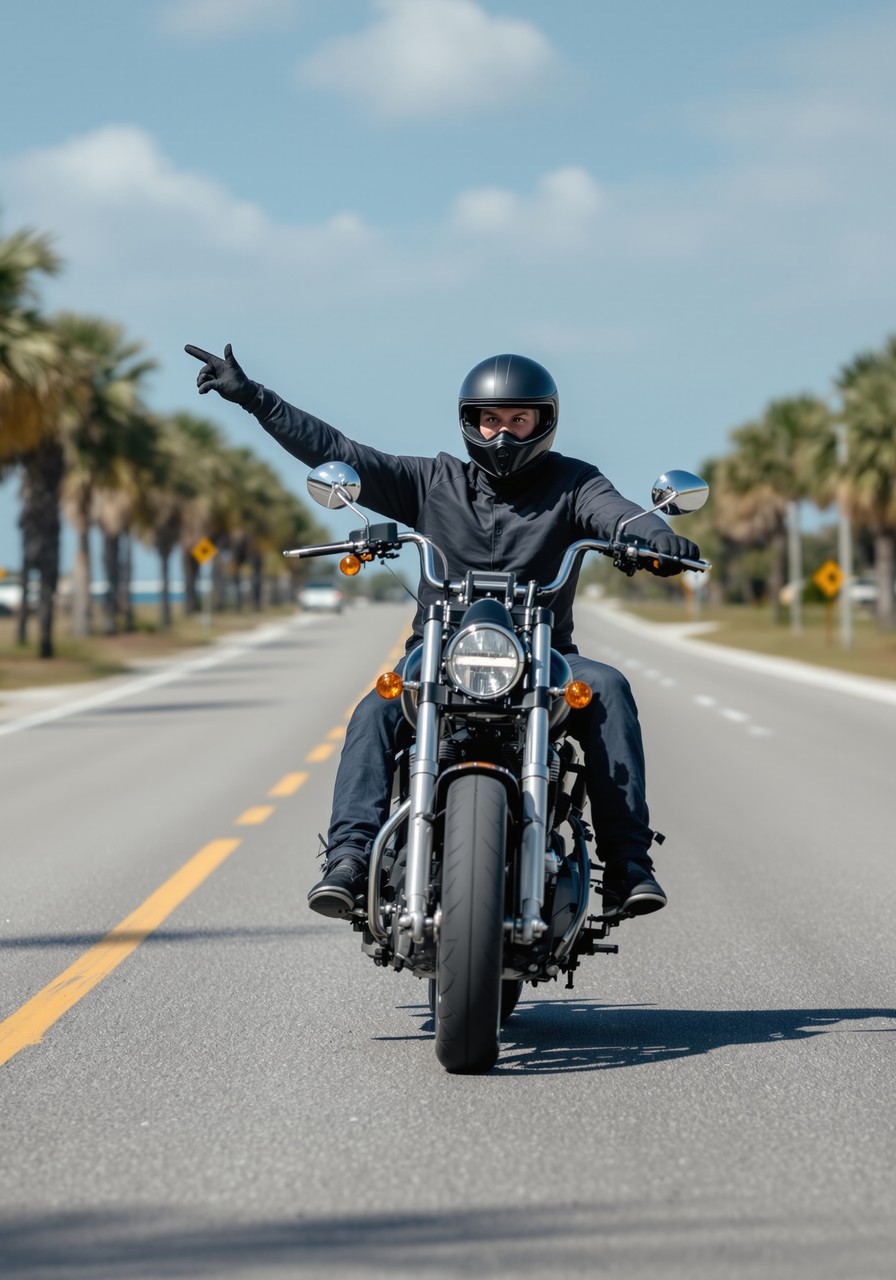
Fog off the bay can drop your visibility to a few bike lengths near Foley. If you cannot see, slow down or pull off until it lifts. #RideNationAL #MotorcycleSafety #GulfCoastRiders
Engagement
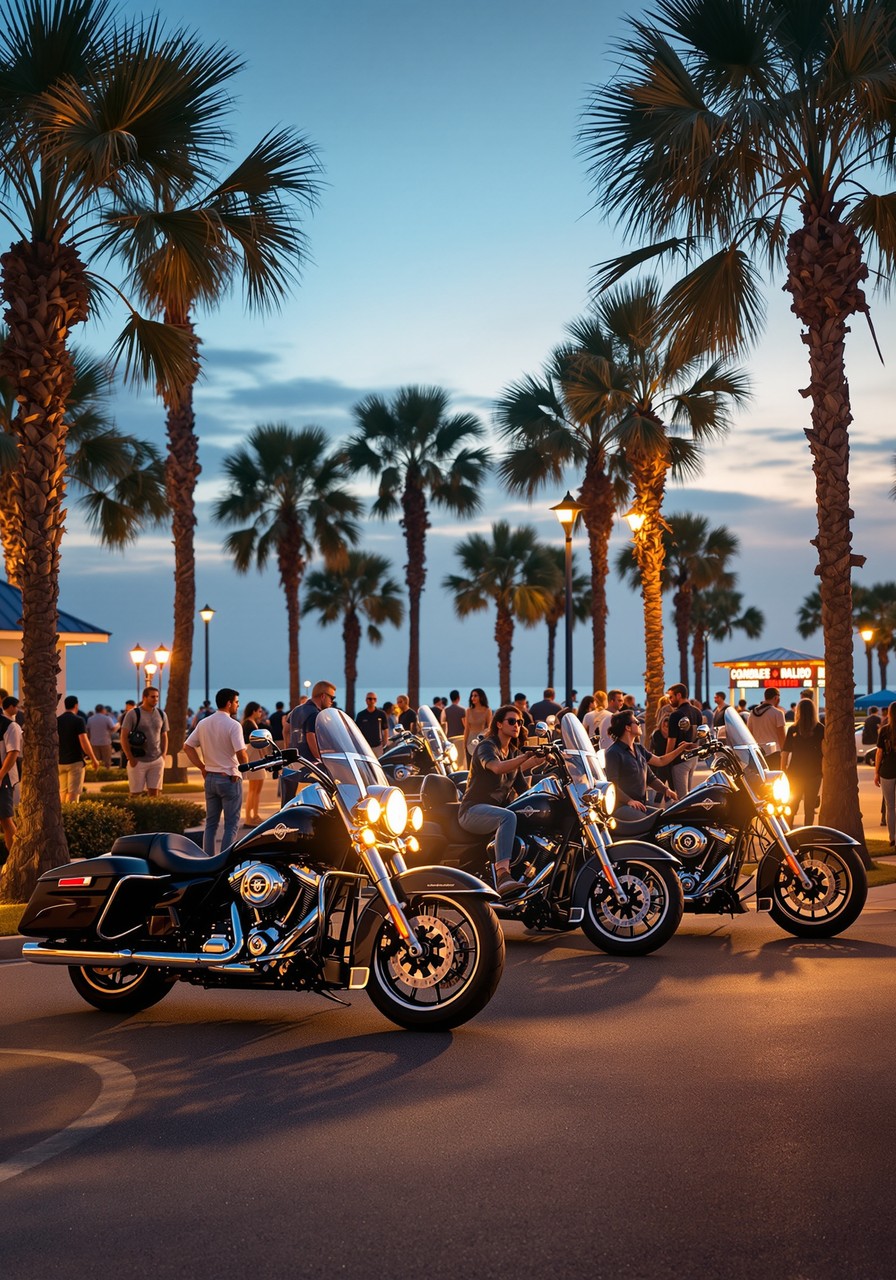
Poll: what starts spring rally season for you, the weather or the calendar? #RideNationAL #GulfCoastRiders #TwoWheels
Giveaway & Countdown
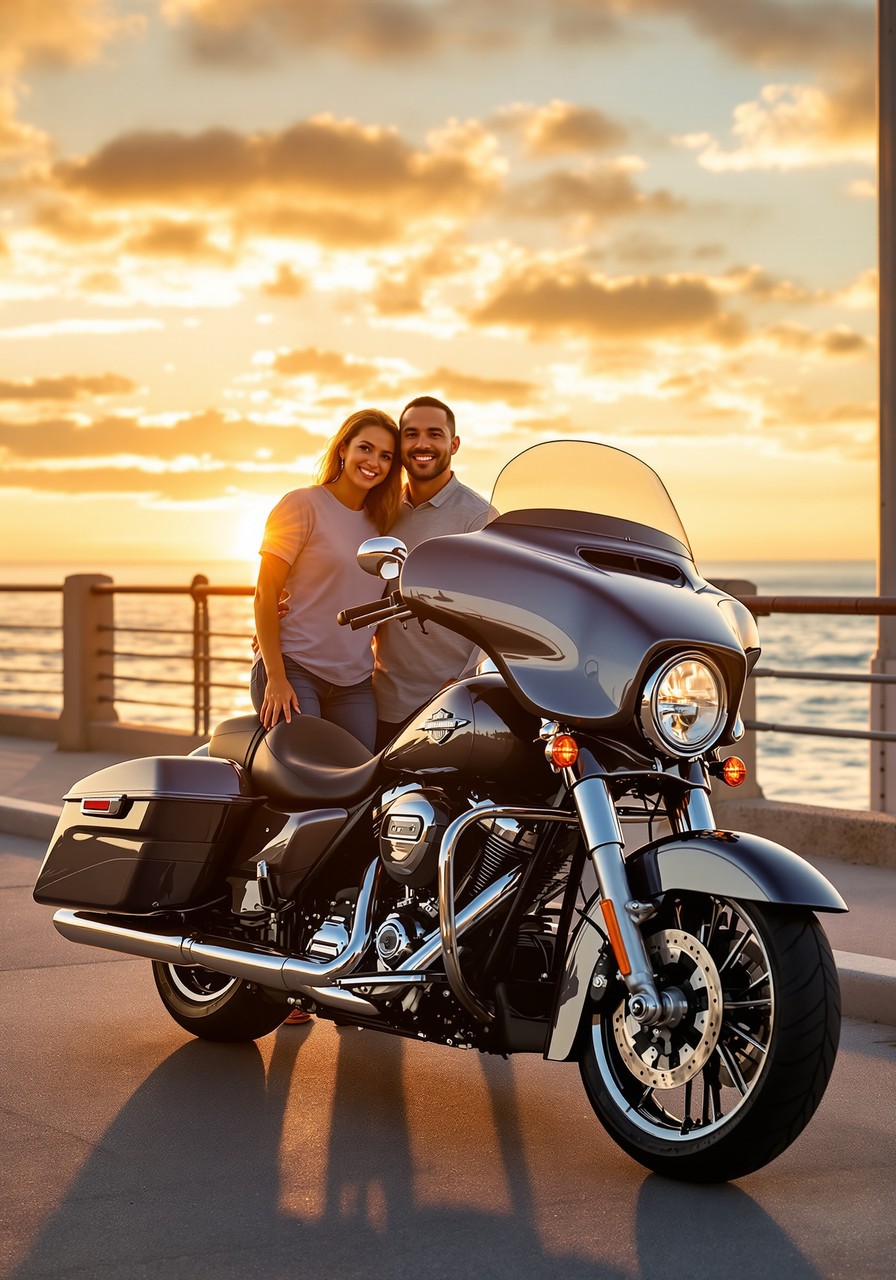
Imagine your name on that $20,000. Tag the friend you would celebrate with. #RideNationAL #BikersWin #20kGiveaway
Local AL & Rides
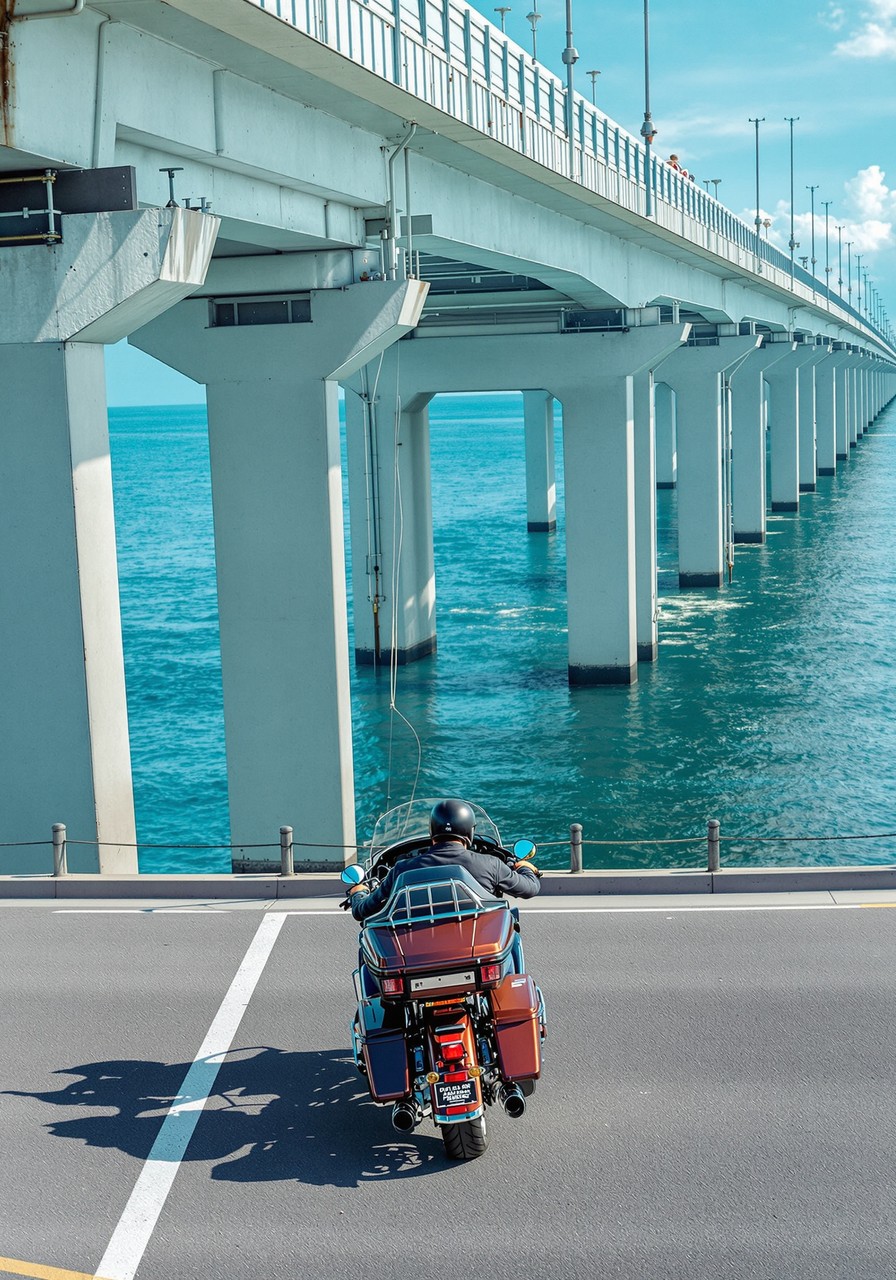
The Foley Beach Express bridge on a clear cold morning, sun on the Intracoastal below. Worth the toll every time. #RideNationAL #BaldwinCounty #GulfCoast
Gear & New Iron
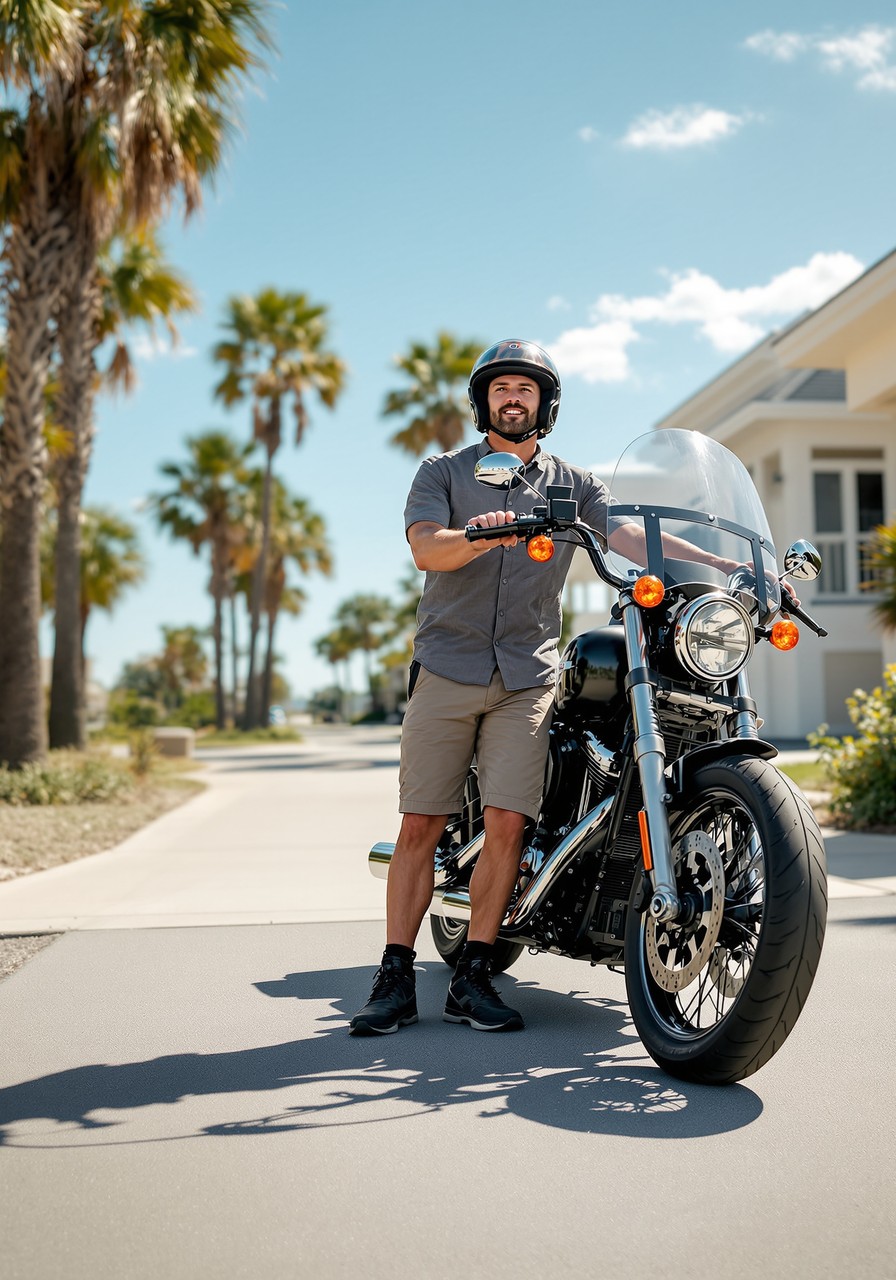
Fogging visor in the humidity? A quality anti-fog insert or coating clears it up so you are not riding half blind at a light. #RideNationAL #HotWeatherRiding #RiderTips
Safety & AL Law
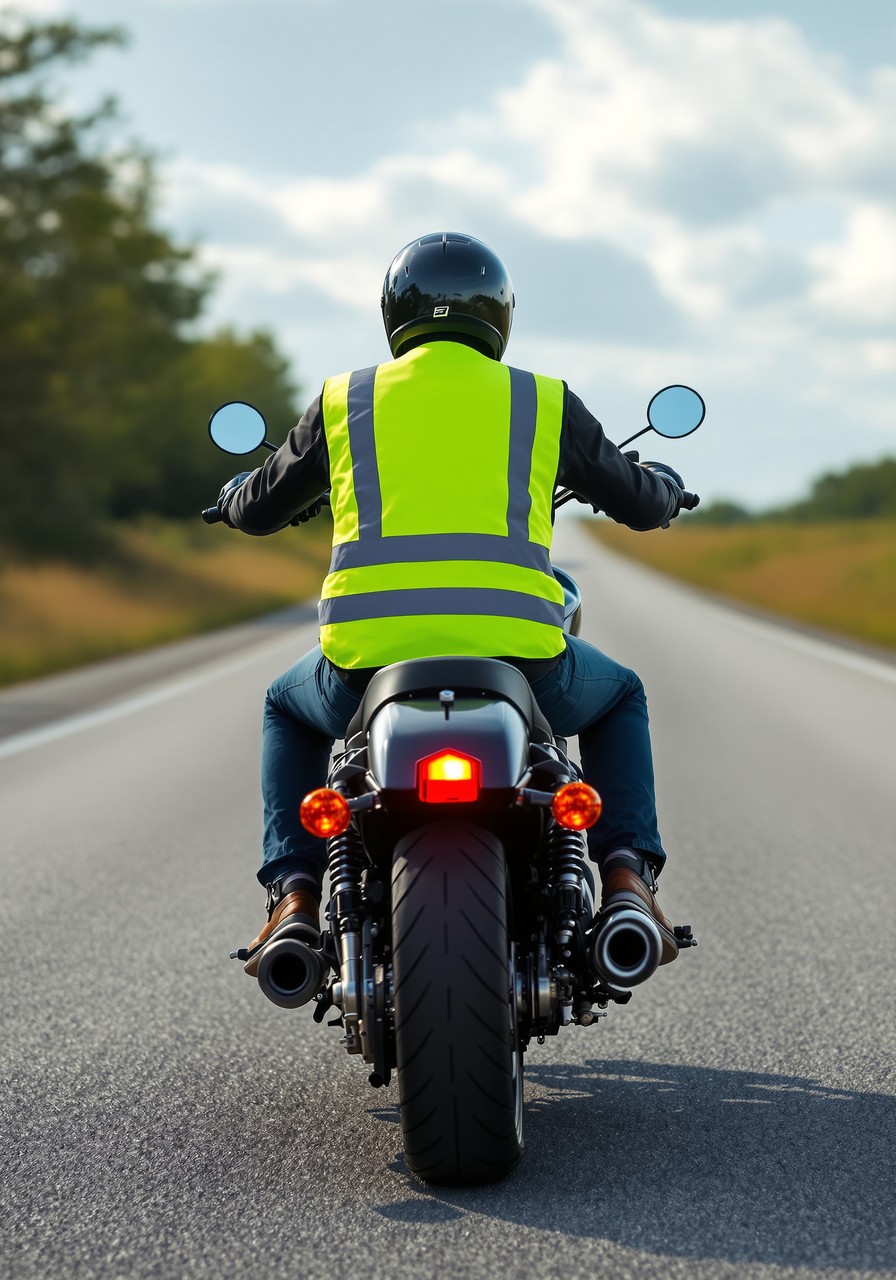
Alabama has no no fault system, so nobody pays your bills automatically. That is why UM, UIM, and knowing the at fault driver matter. Want it explained? Call Noel Leonard at (251) 269-0869. #RideNationAL #RiderRights #KnowYourRights
Engagement
Question: what is the one road on the coast every rider should hit at least once? #RideNationAL #BaldwinCounty #GulfShores
Giveaway & Countdown
The buzz is real. Riders all over the Gulf Coast are getting entered. Are you? #RideNationAL #MotorcycleGiveaway #GulfCoastRiders
Local AL & Rides
Fog off Mobile Bay can swallow the Fort Morgan peninsula fast. If it closes in on you out there, pull off and wait it out. #RideNationAL #FortMorgan
Gear & New Iron
Crack your visor at stops to cut the fog. Gulf Coast humidity loves a sealed helmet, so let a little air move across the shield. #RideNationAL #HotWeatherRiding #RiderTips
Safety & AL Law
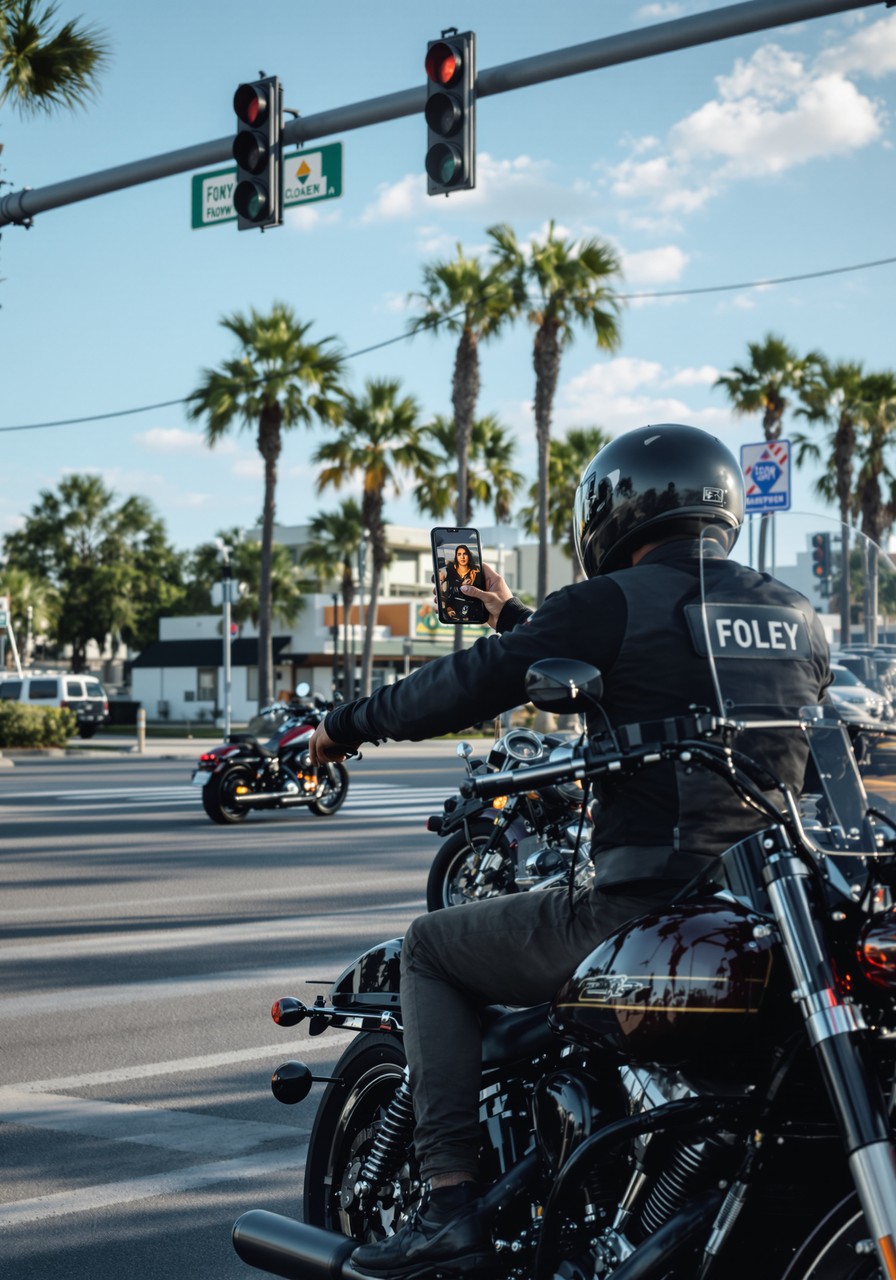
Set up your lane position so drivers can see you and you can see the threat. On crowded coastal roads, position is protection. #RideNationAL #MotorcycleSafety #GulfShores
Engagement
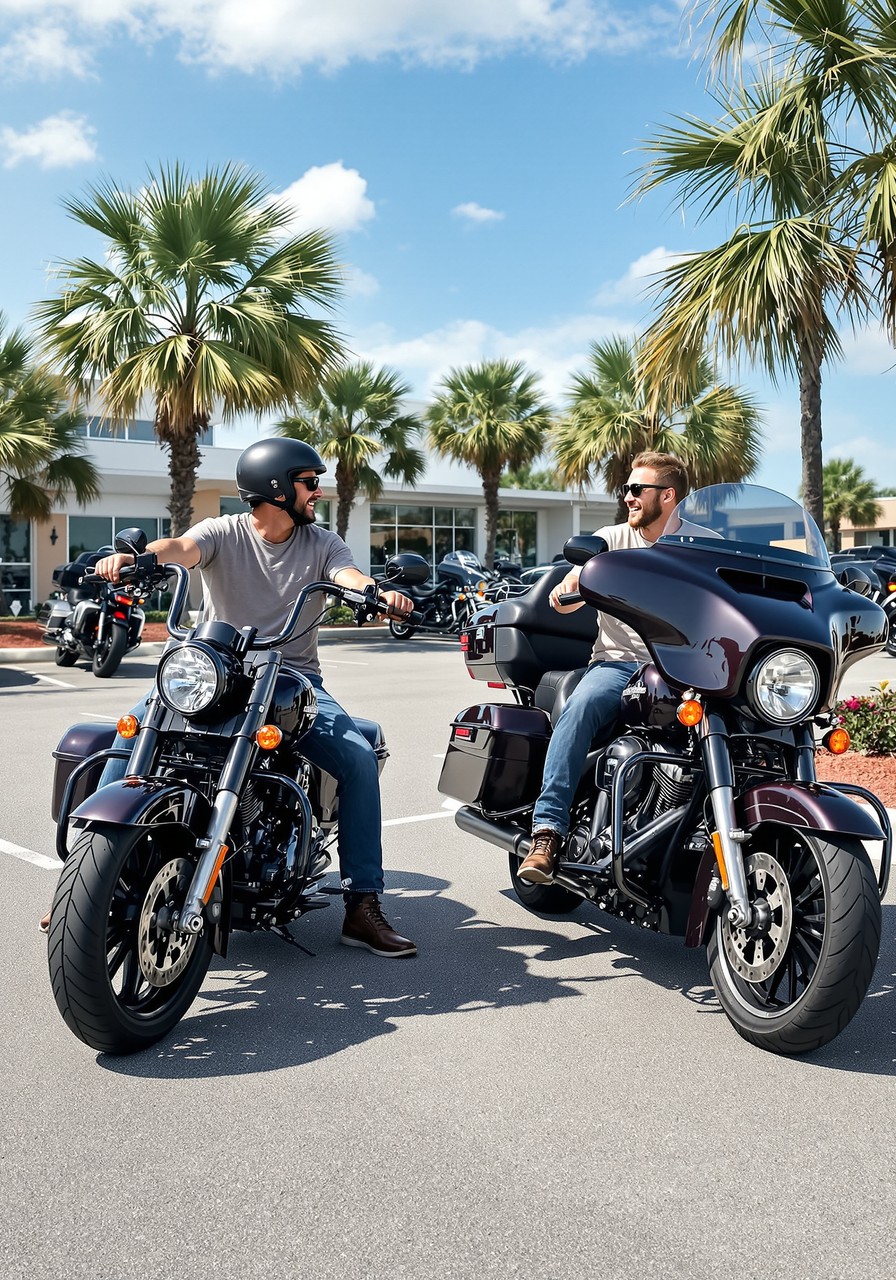
Caption this: your dash reading 72 degrees in the middle of January. #RideNationAL #GulfCoastRiders #AlabamaRiders
Giveaway & Countdown
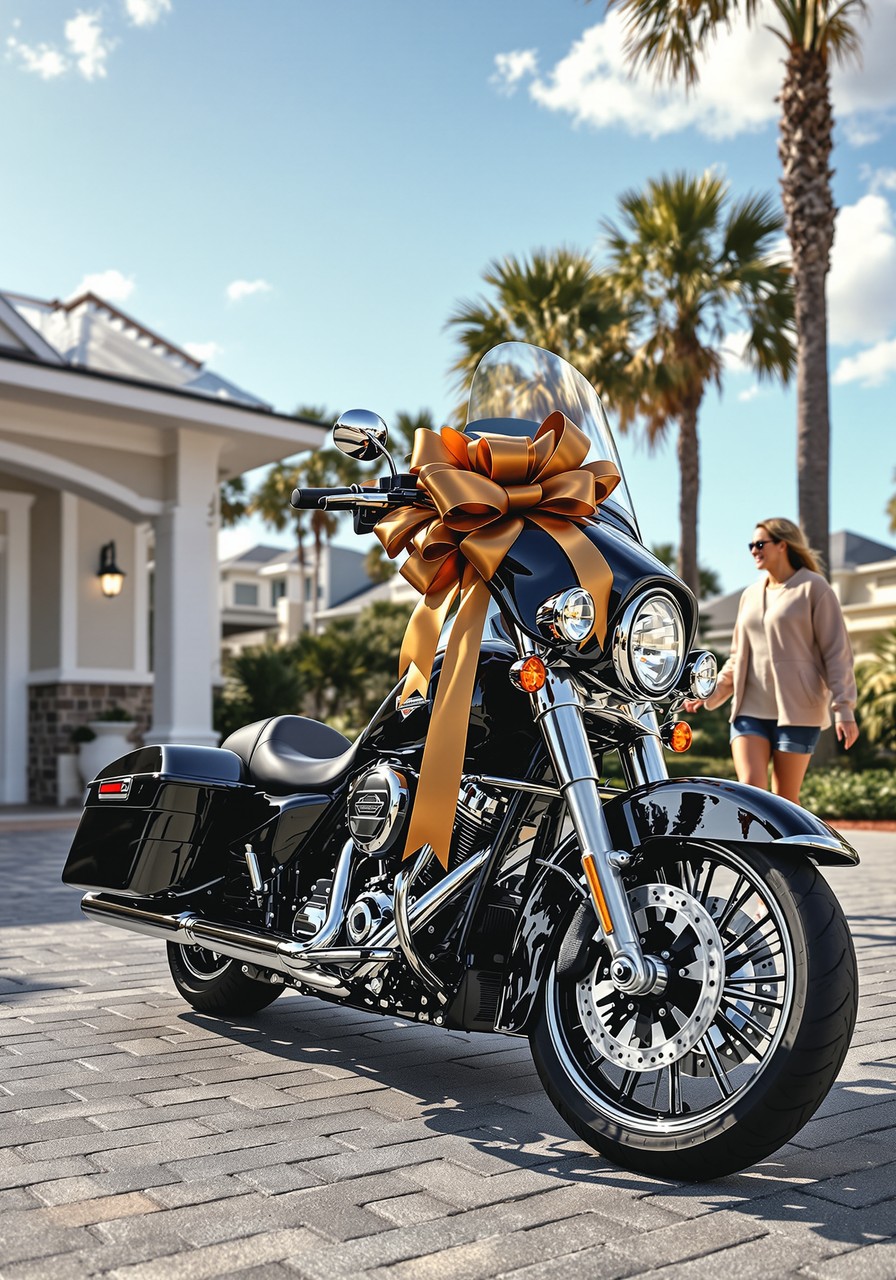
Countdown check: are your riding buddies in yet? Send them our way. #RideNationAL #BikersWin #GulfShores
Local AL & Rides
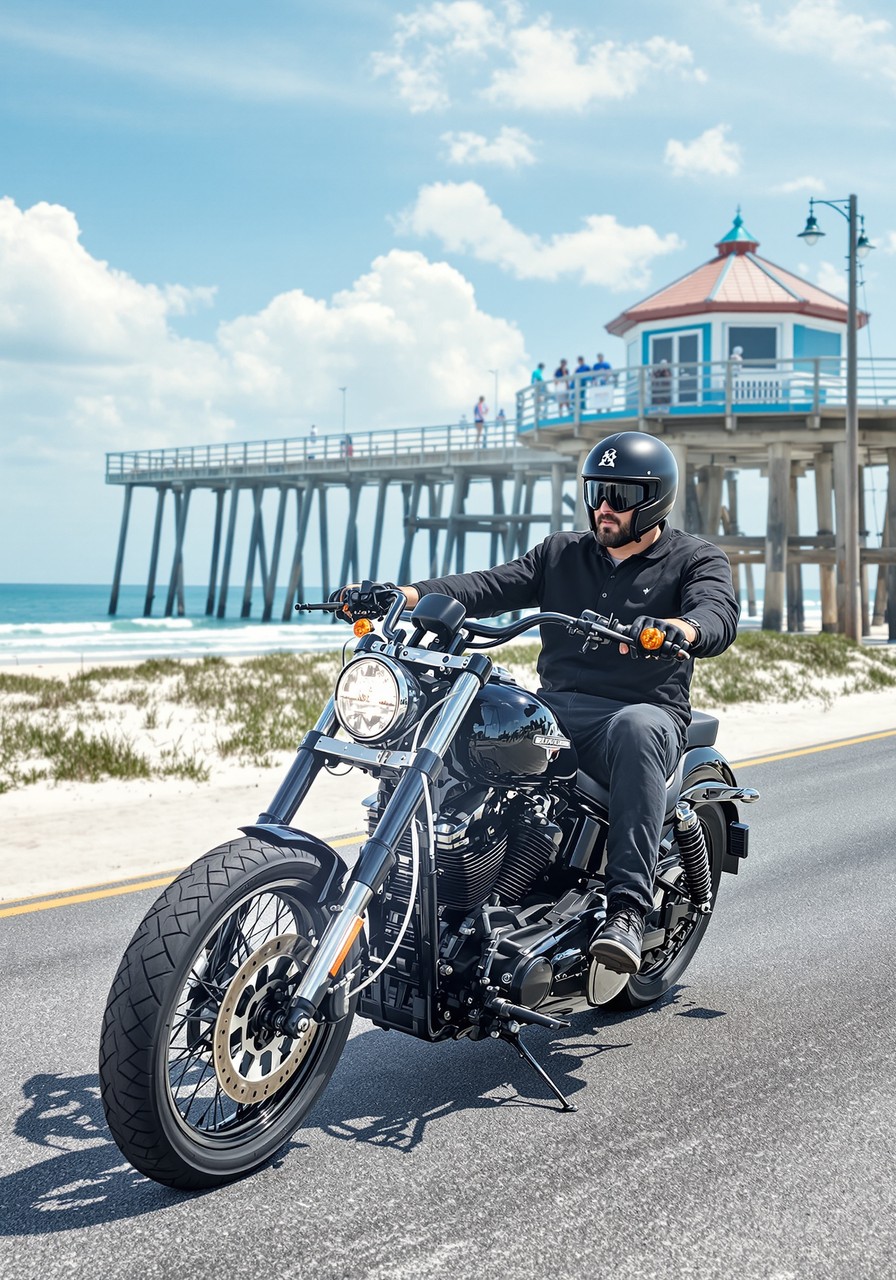
Bon Secour backroads are a quiet detour off the beach rush, shrimp boats and marsh views. Mind the loose gravel on the shoulders. #RideNationAL #BaldwinCounty
Gear & New Iron
Storing the bike for a stretch? Add fuel stabilizer and top the tank. It stops the gas from gumming and the tank from sweating rust. #RideNationAL #MotorcycleMaintenance #BikerLife
Safety & AL Law
The driver who cut you off will tell the adjuster a very different story. In a pure contributory negligence state, that is why your evidence wins or loses it. Free case review available. #RideNationAL #RiderRights #KnowYourRights
Engagement
This or that: a Perdido Key detour or a straight shot down 59 to the sand. #RideNationAL #FortMorgan #TwoWheels
Giveaway & Countdown
This is our community, our giveaway, our moment. Let us make it a huge one. #RideNationAL #20kGiveaway #AlabamaRiders
Local AL & Rides
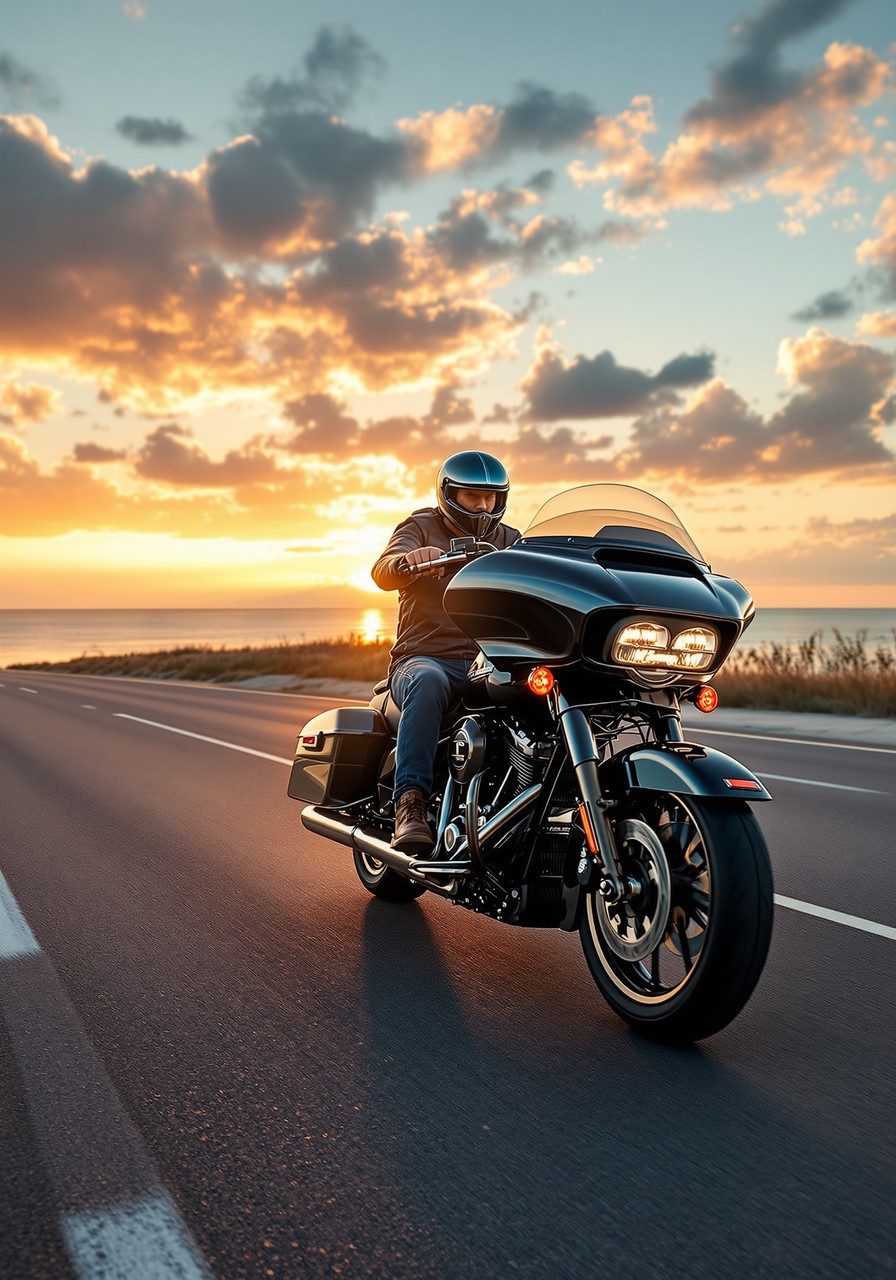
Blue sky, sixty degrees, no crowds. A Gulf Coast winter weekday might be the best riding this coast offers. Take the day. #RideNationAL #GulfCoastRiders #AlabamaRiders
Gear & New Iron
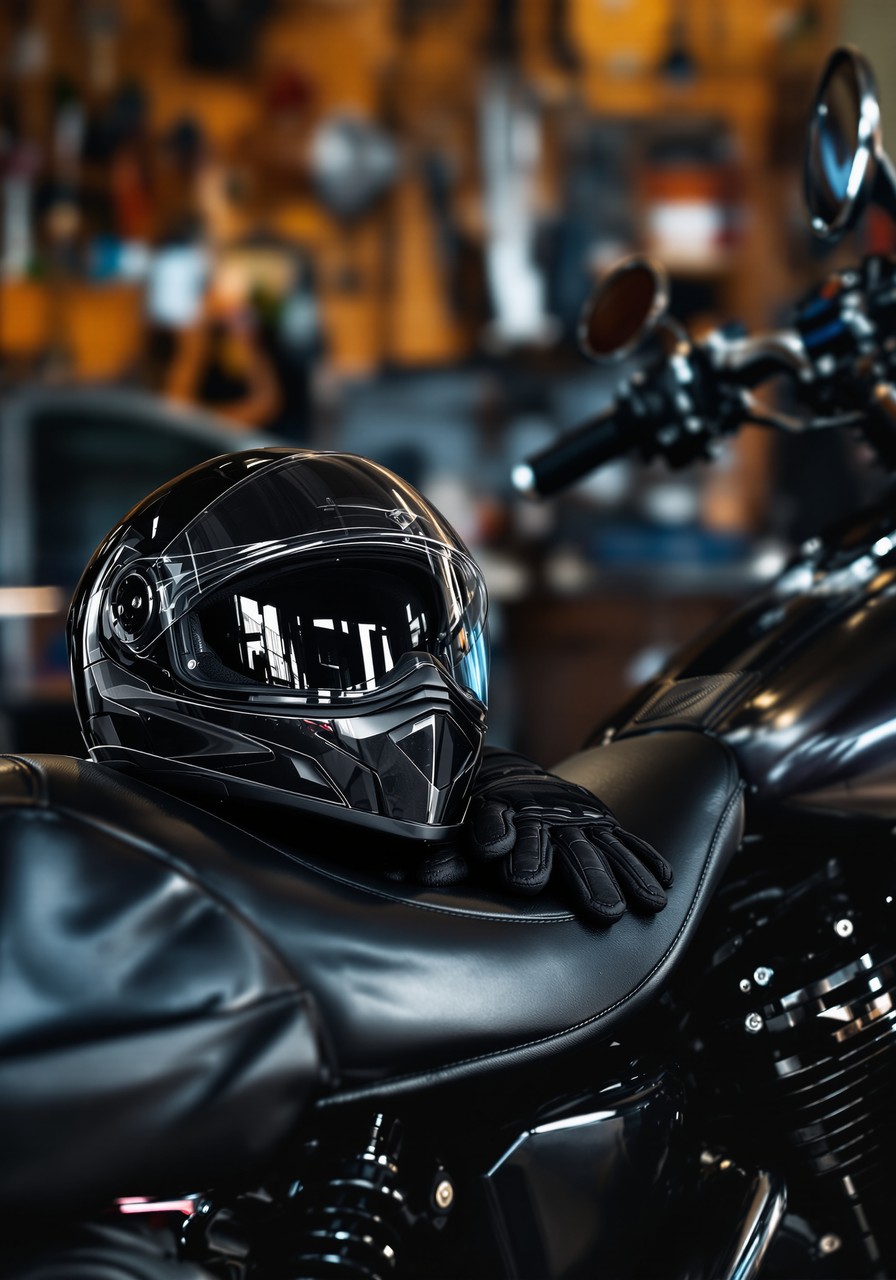
Long layup ahead: stabilize the fuel, hook up a tender, and cover it in a dry spot. Salt air does not rest while you do. #RideNationAL #MotorcycleMaintenance #GulfCoastRiders
Safety & AL Law
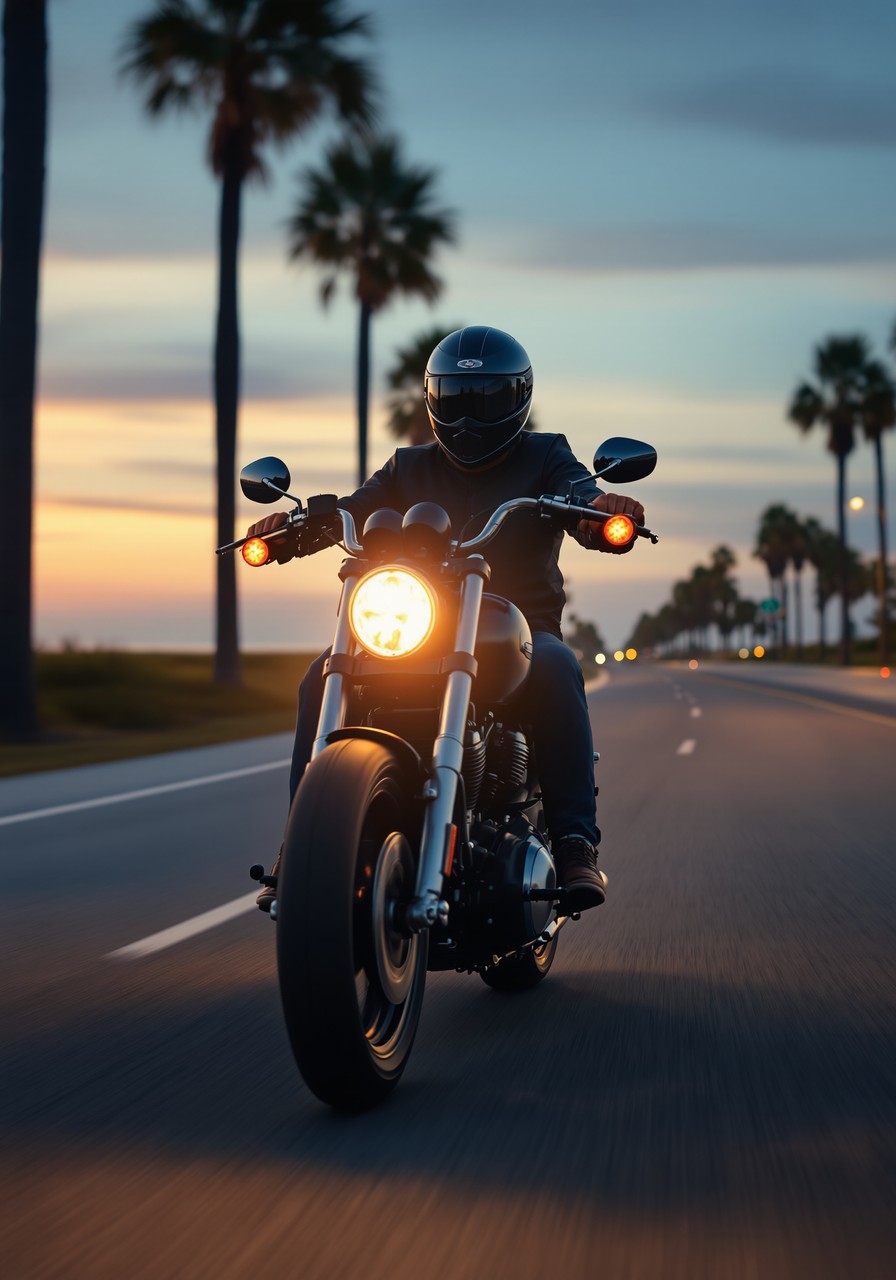
Watch for sand at every beach access road. A patch you did not expect can wash out your front end mid corner. Scan early and adjust. #RideNationAL #GulfCoastRiders #MotorcycleSafety
Engagement
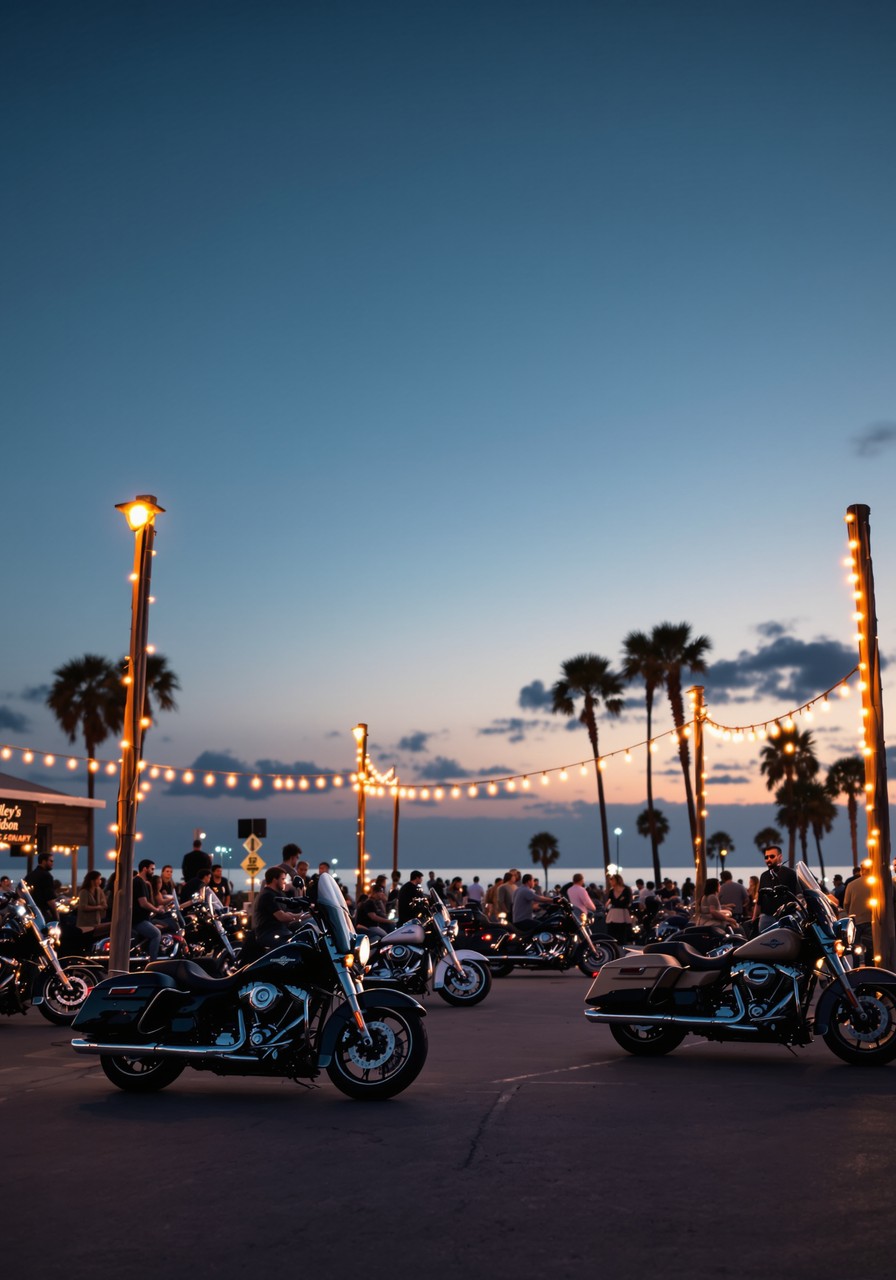
Tag the rider who taught you something that stuck. Give them a shout. #RideNationAL #RideOrDie #AlabamaRiders
Giveaway & Countdown
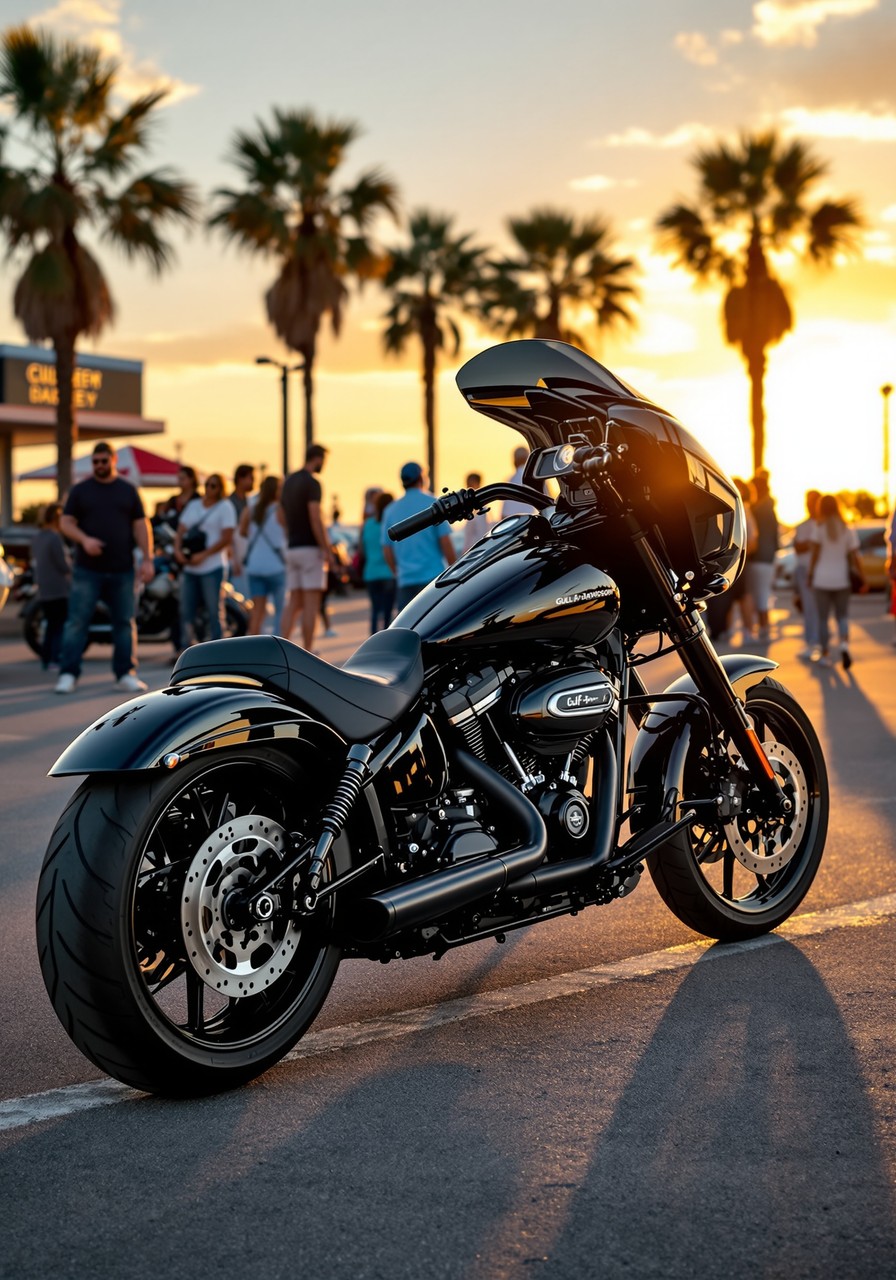
Twenty grand does not enter itself. Rally the crew and get everyone in the running. #RideNationAL #BikersWin #GulfCoastRiders
Local AL & Rides
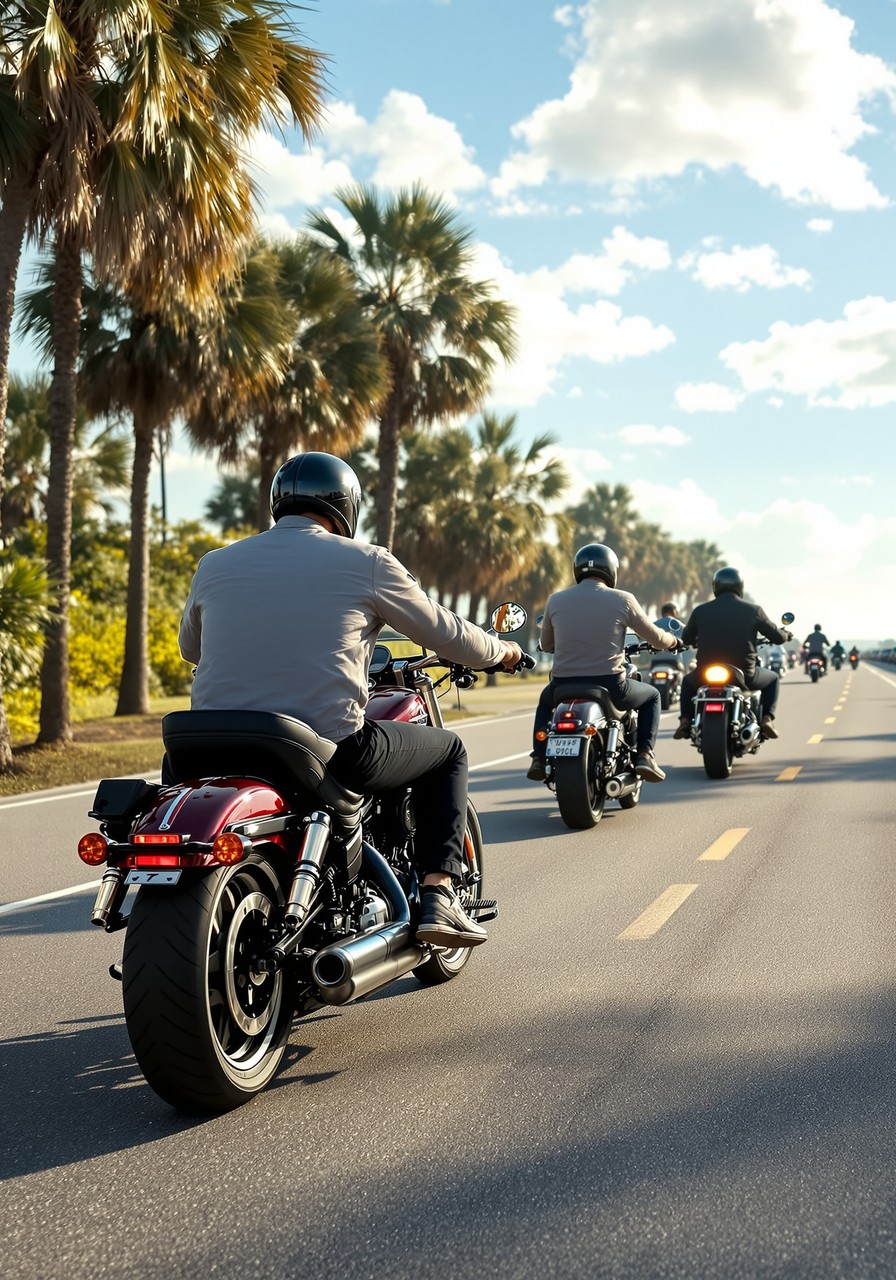
Perdido Key sunset run before you cross back into Alabama. The light on the water makes the whole trip. #RideNationAL #GulfCoast #GulfCoastRiders
Gear & New Iron
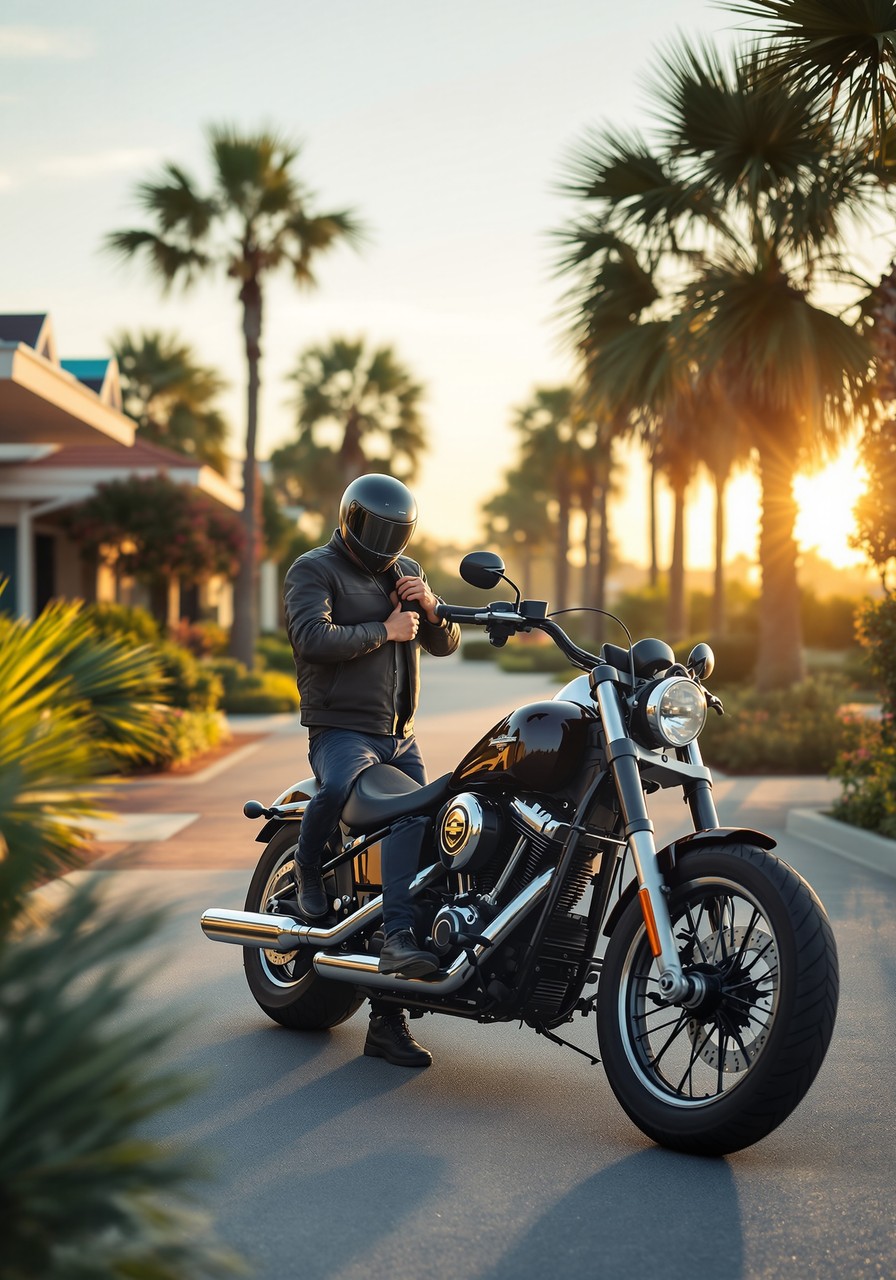
New iron season is here and the 2027 lineups are landing. If you are shopping, sit on a few and see what actually fits your reach. #RideNationAL #NewIron #BikerLife
Safety & AL Law
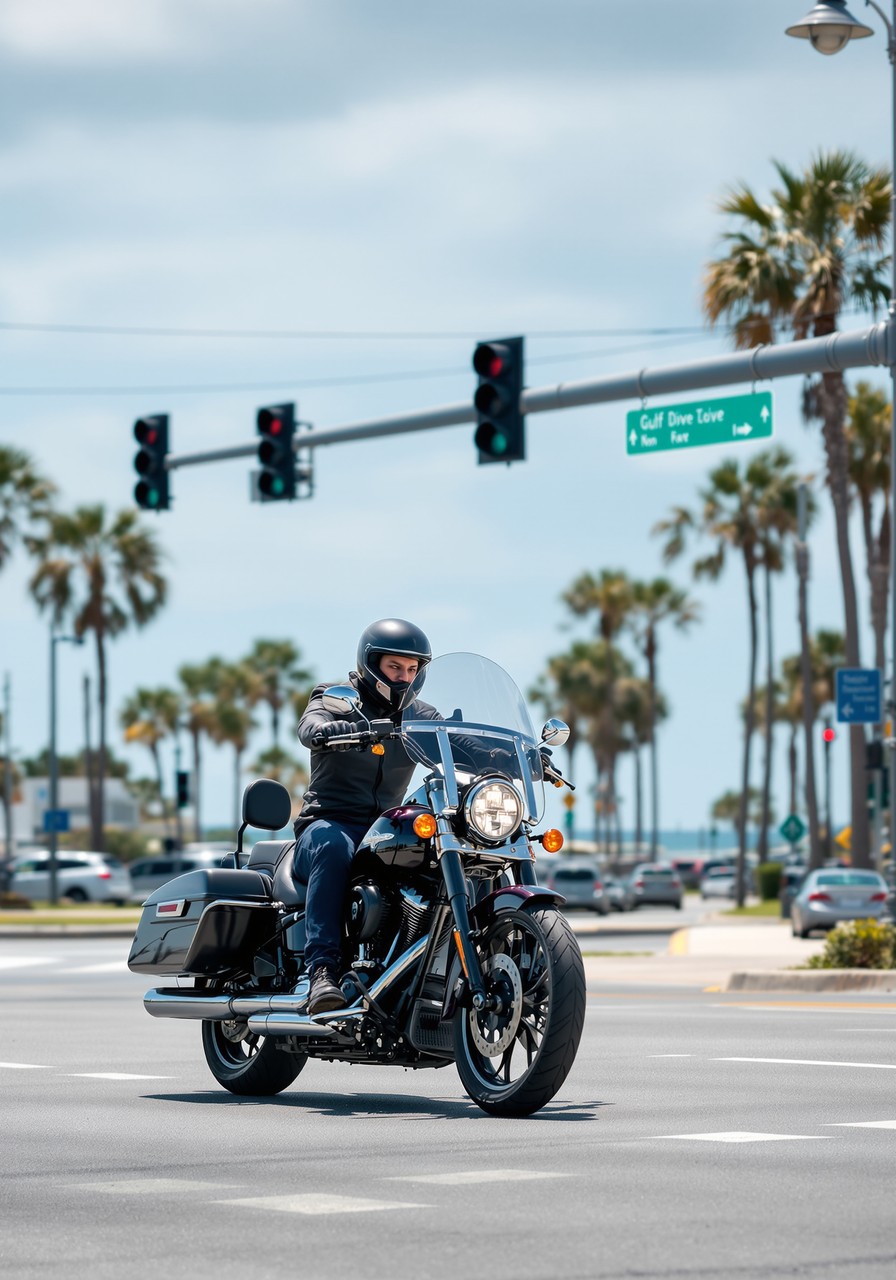
Hurt while riding and worried you were partly at fault? Do not decide your case is hopeless on your own. Alabama law is strict, so let us look first. Call Noel Leonard at (251) 269-0869. #RideNationAL #RiderRights #AlabamaRiders
Engagement
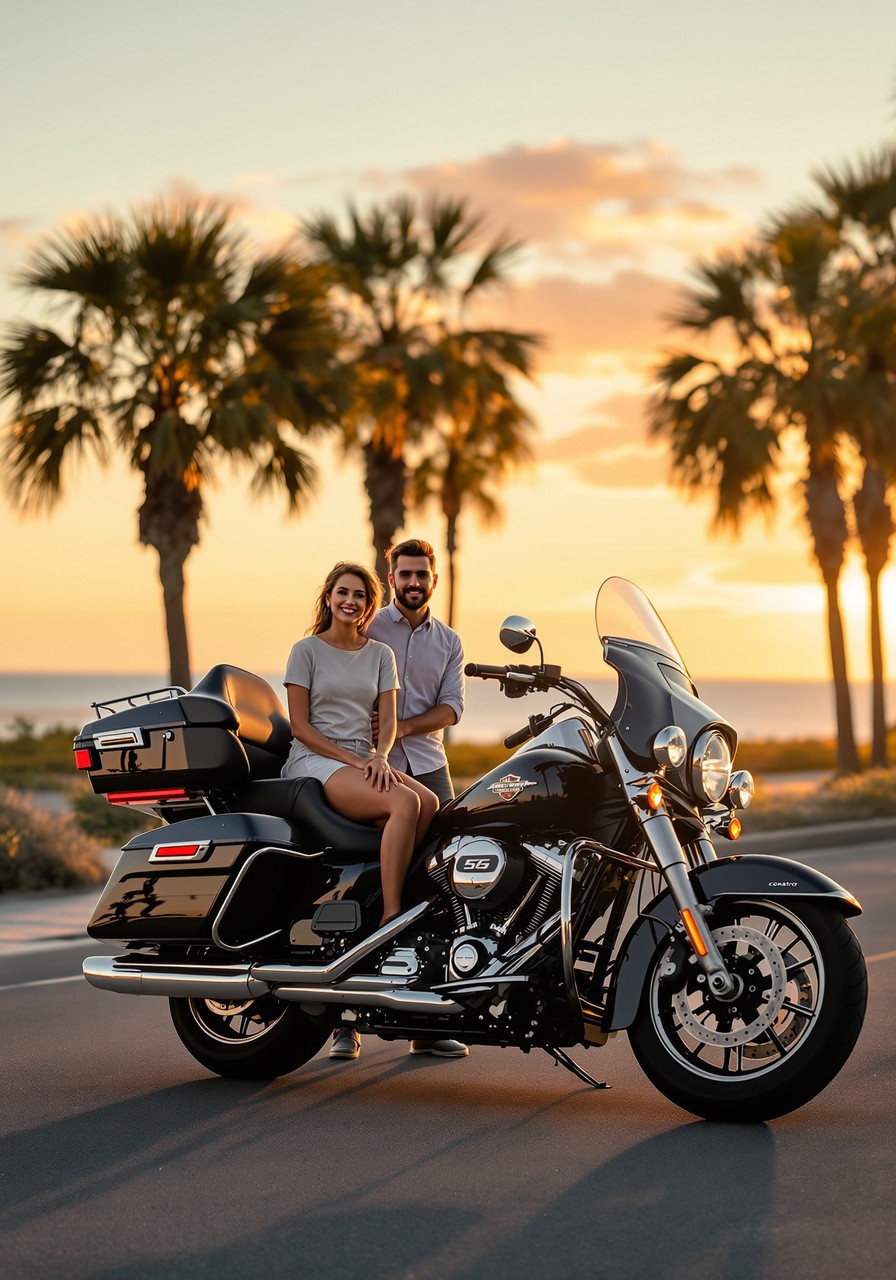
Two words: describe your last ride down the coast. Go. #RideNationAL #GulfShores #TwoWheels
Giveaway & Countdown
Halfway hype. The BikersWin field is growing and the energy is electric. #RideNationAL #MotorcycleGiveaway #20kGiveaway
Local AL & Rides
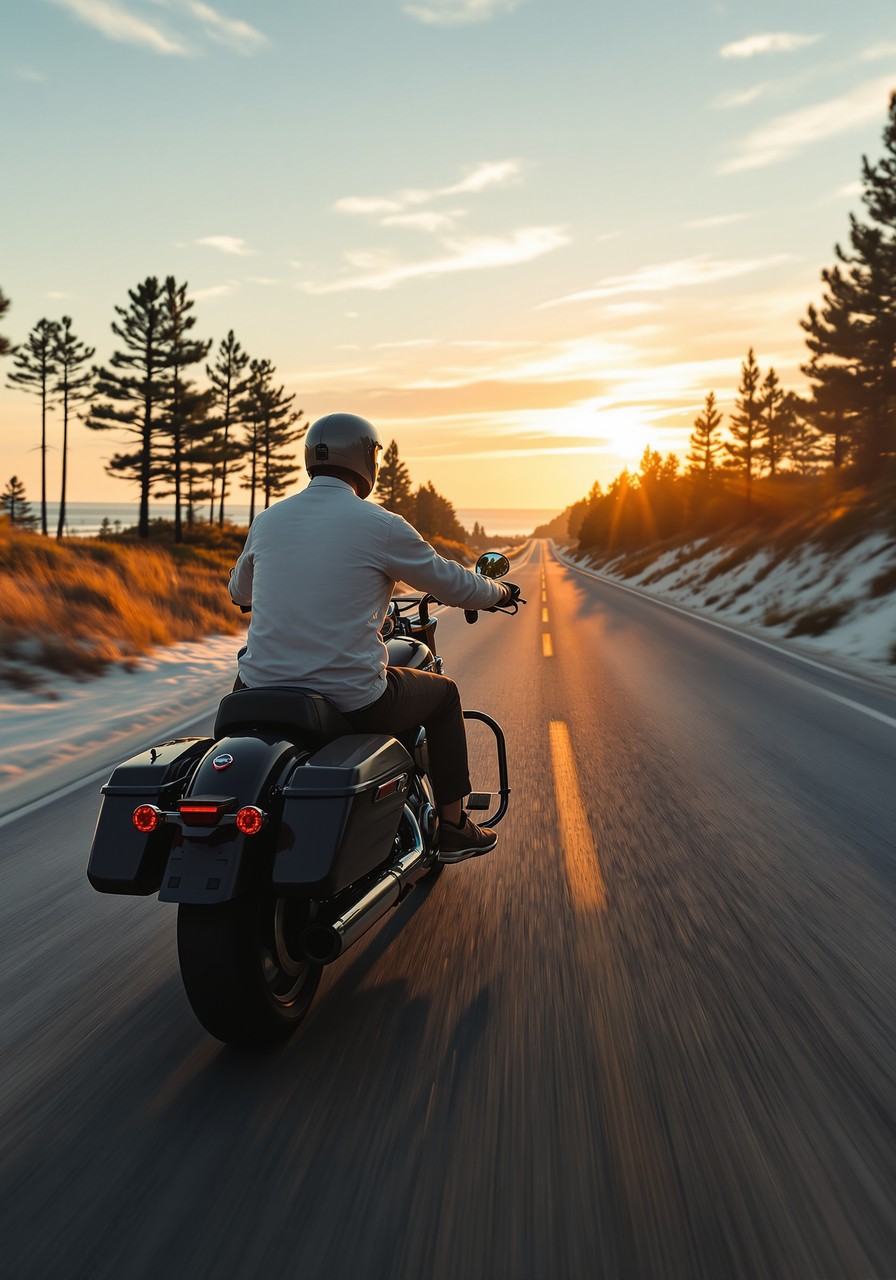
Snowbird traffic backs up Highway 59 near the Gulf Shores light through the winter. Filter your patience, not your lane, and stay wide of stopped cars. #RideNationAL #GulfShores
Gear & New Iron
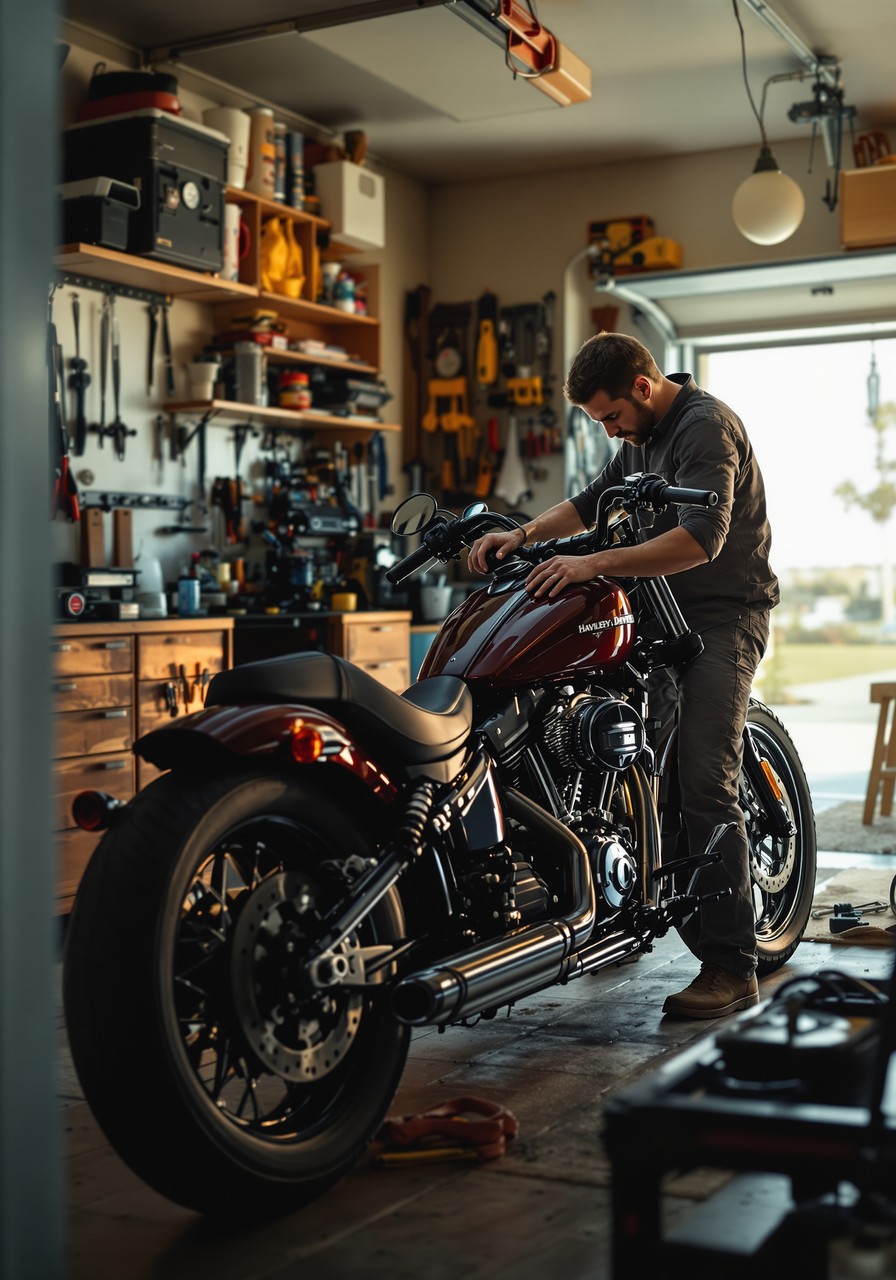
New bike glow is real, but break it in right. Follow the first-service interval and vary your revs so the engine seats properly. #RideNationAL #NewIron #MotorcycleMaintenance
Safety & AL Law
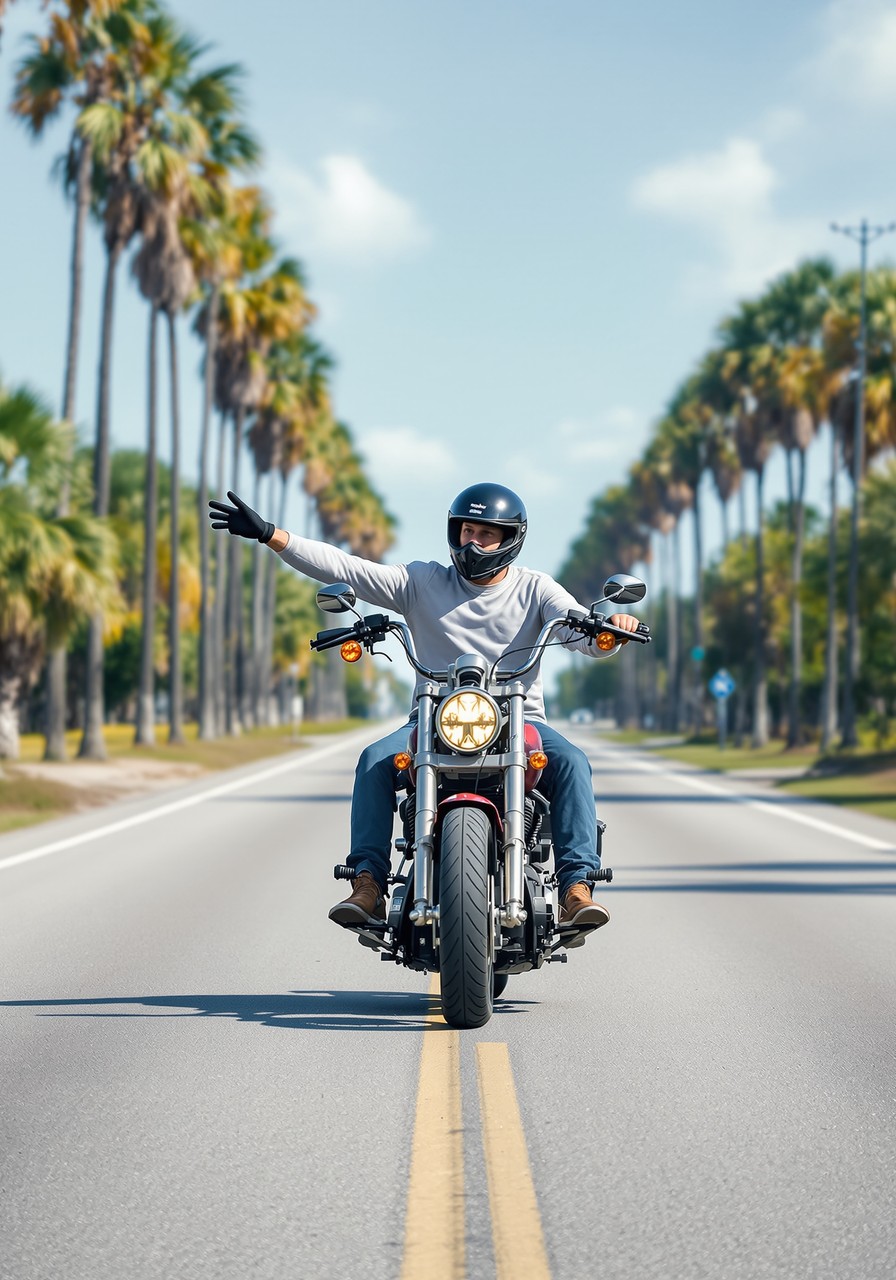
MedPay is optional in Alabama but it can cover early medical bills no matter who was at fault. A small add on that helps a lot after a crash. #RideNationAL #KnowYourRights #RiderRights
Engagement
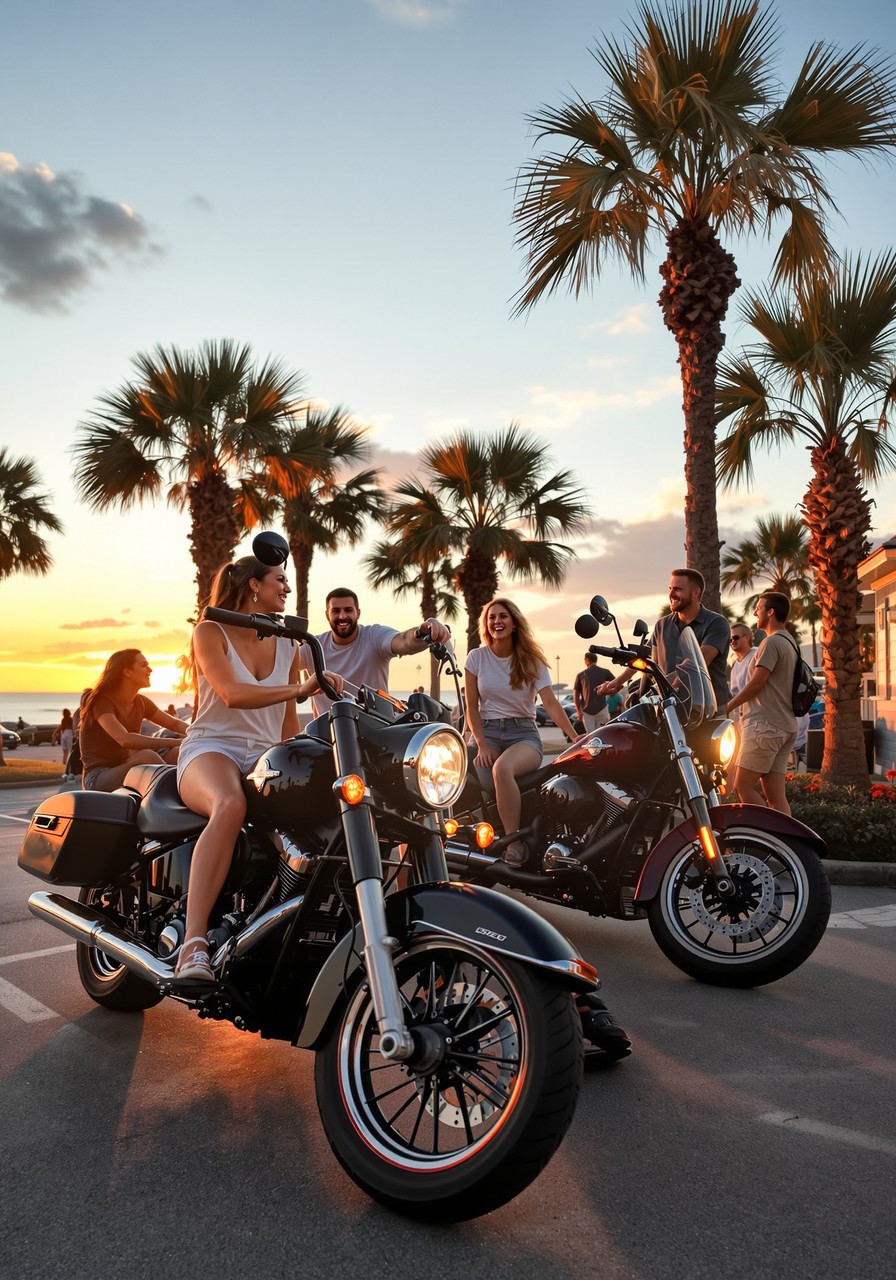
Poll: already planning spring rally routes or still soaking up the quiet winter roads? #RideNationAL #GulfCoastRiders #BaldwinCounty
Giveaway & Countdown
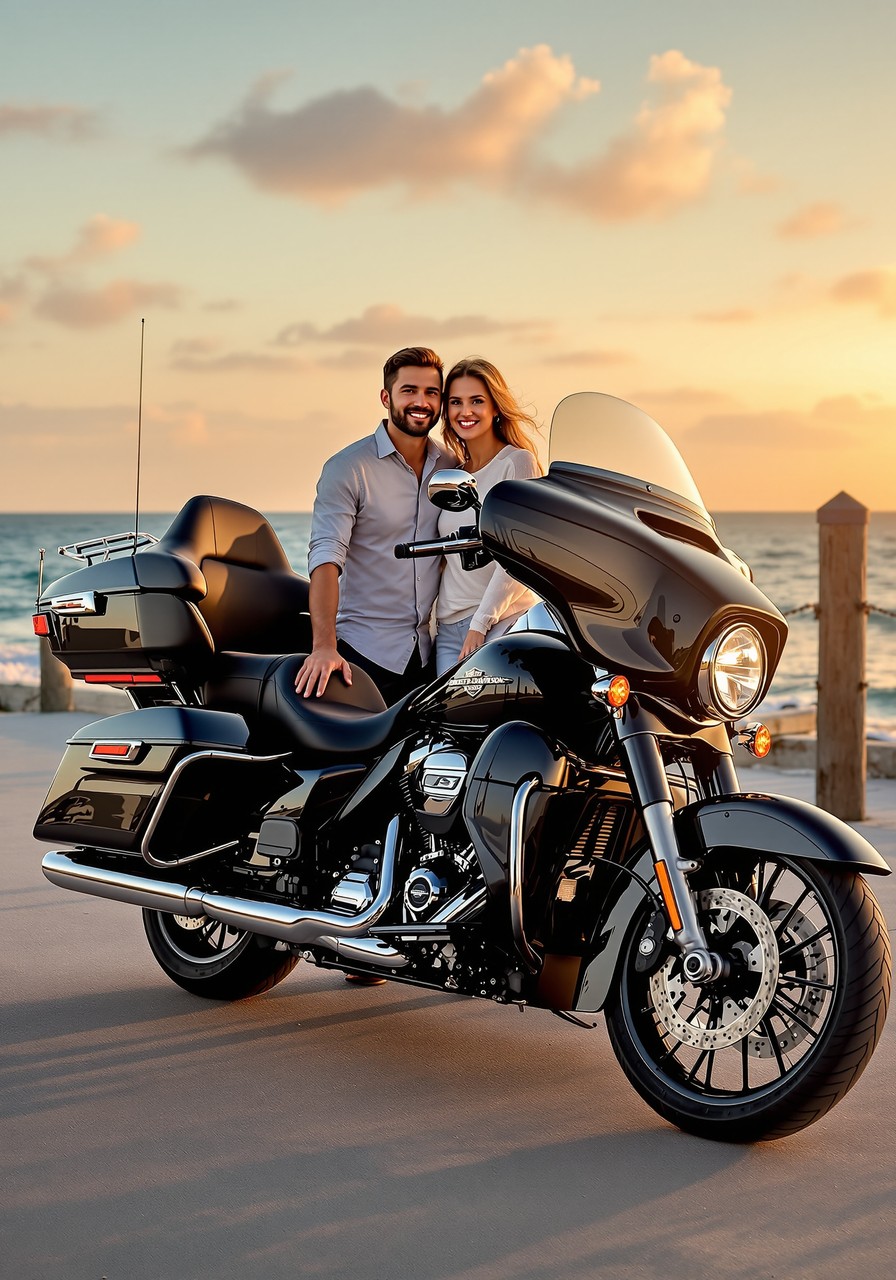
Somebody has to win the $20,000. Might as well be a Gulf Coast rider you know. #RideNationAL #BikersWin #GulfCoastRiders
Local AL & Rides
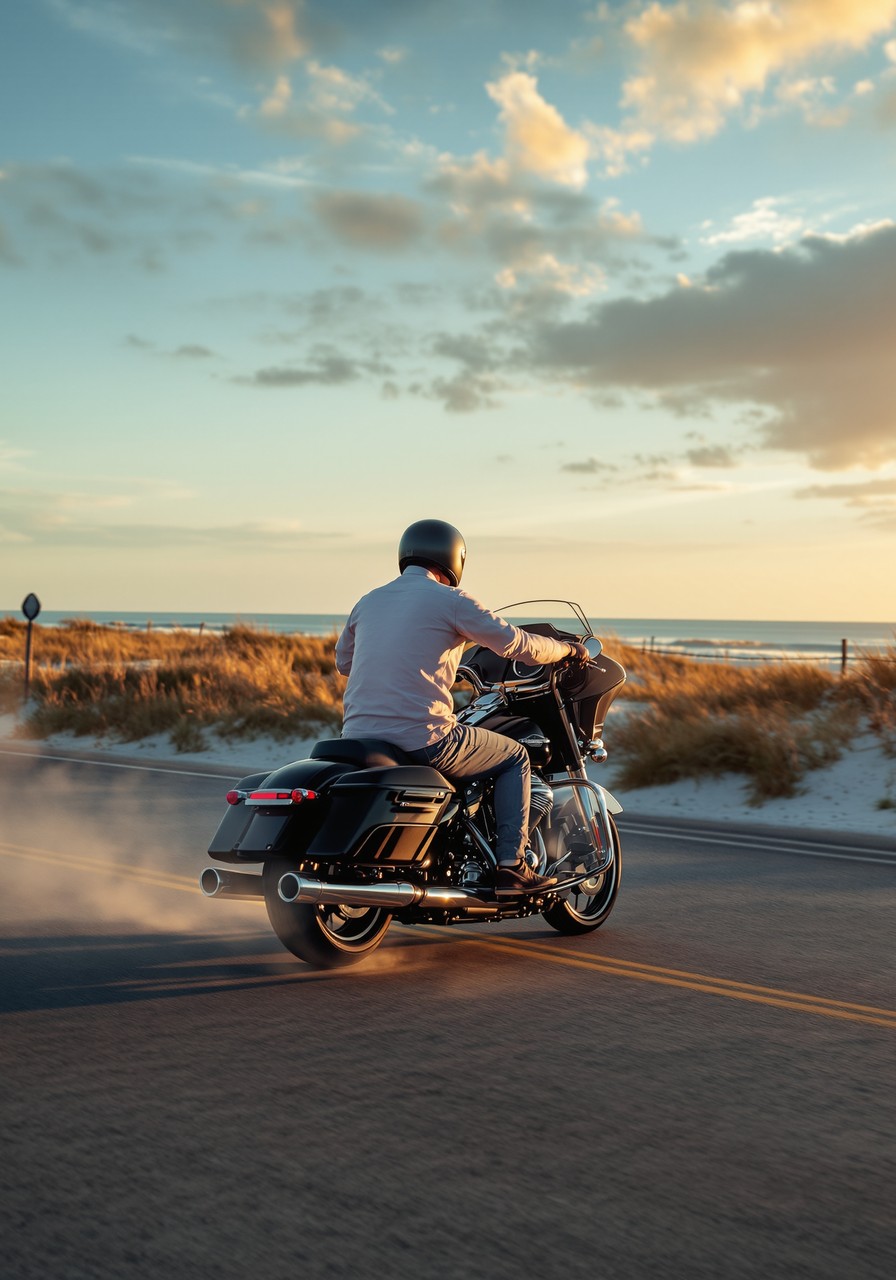
Fort Morgan peninsula ends at the ferry and the fort, water everywhere you look. Ride the whole length at least once this season. #RideNationAL #FortMorgan #MotorcycleRoads
Gear & New Iron
Buying used on the coast? Pull the bike up and look for rust bloom on hardware and forks. Salt-air neglect hides in the fasteners. #RideNationAL #NewIron #GulfCoastRiders
Safety & AL Law
Left turn crashes happen in the blink of an eye. Slow into every intersection, cover your brakes, and be ready to react. If a driver turned across your path, call Noel Leonard at (251) 269-0869. #RideNationAL #MotorcycleSafety #GulfCoastRiders
Engagement
Fill in the blank: if you are new to the Gulf Coast, you have to ride ______. #RideNationAL #OrangeBeach #AlabamaRiders
Giveaway & Countdown
Share, tag, repeat. The more riders we get in, the bigger this giveaway gets. #RideNationAL #MotorcycleGiveaway #AlabamaRiders
Local AL & Rides
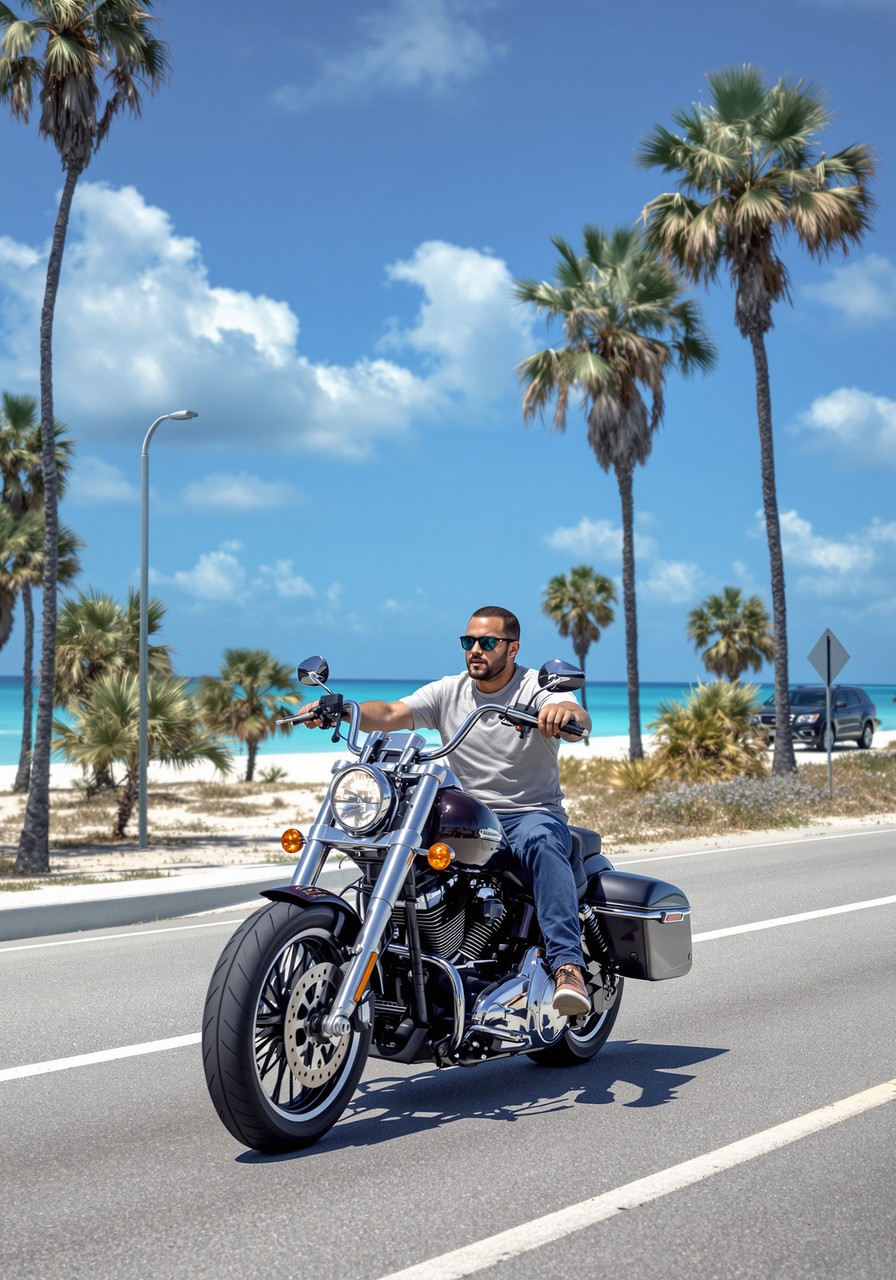
First cold morning of the year the bridge decks stay damp long after the road dries. Cross them light and let the tires warm first. #RideNationAL #BaldwinCounty
Gear & New Iron
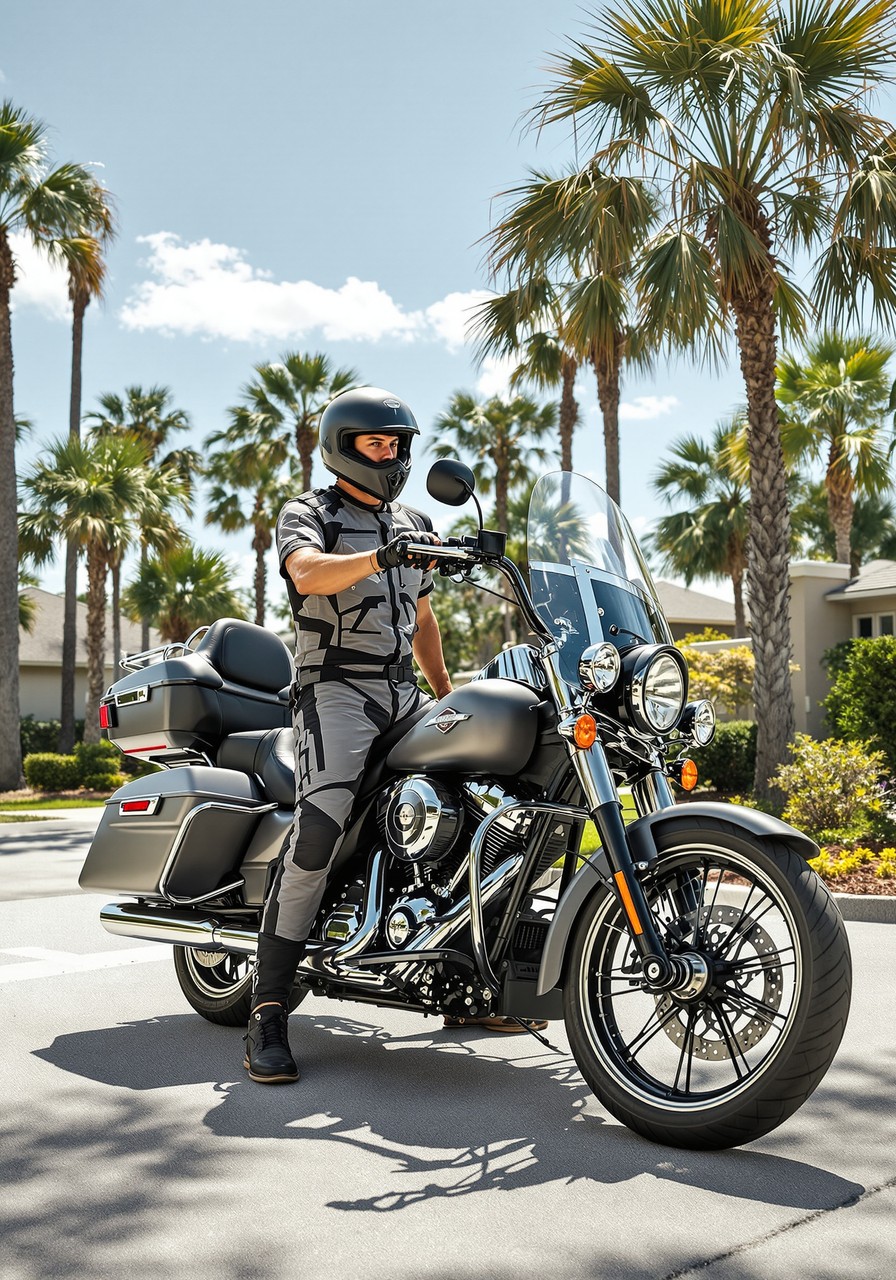
A new machine deserves new gear. If your helmet and jacket are older than your last bike, upgrade the protection along with the ride. #RideNationAL #NewIron #GearUp
Safety & AL Law
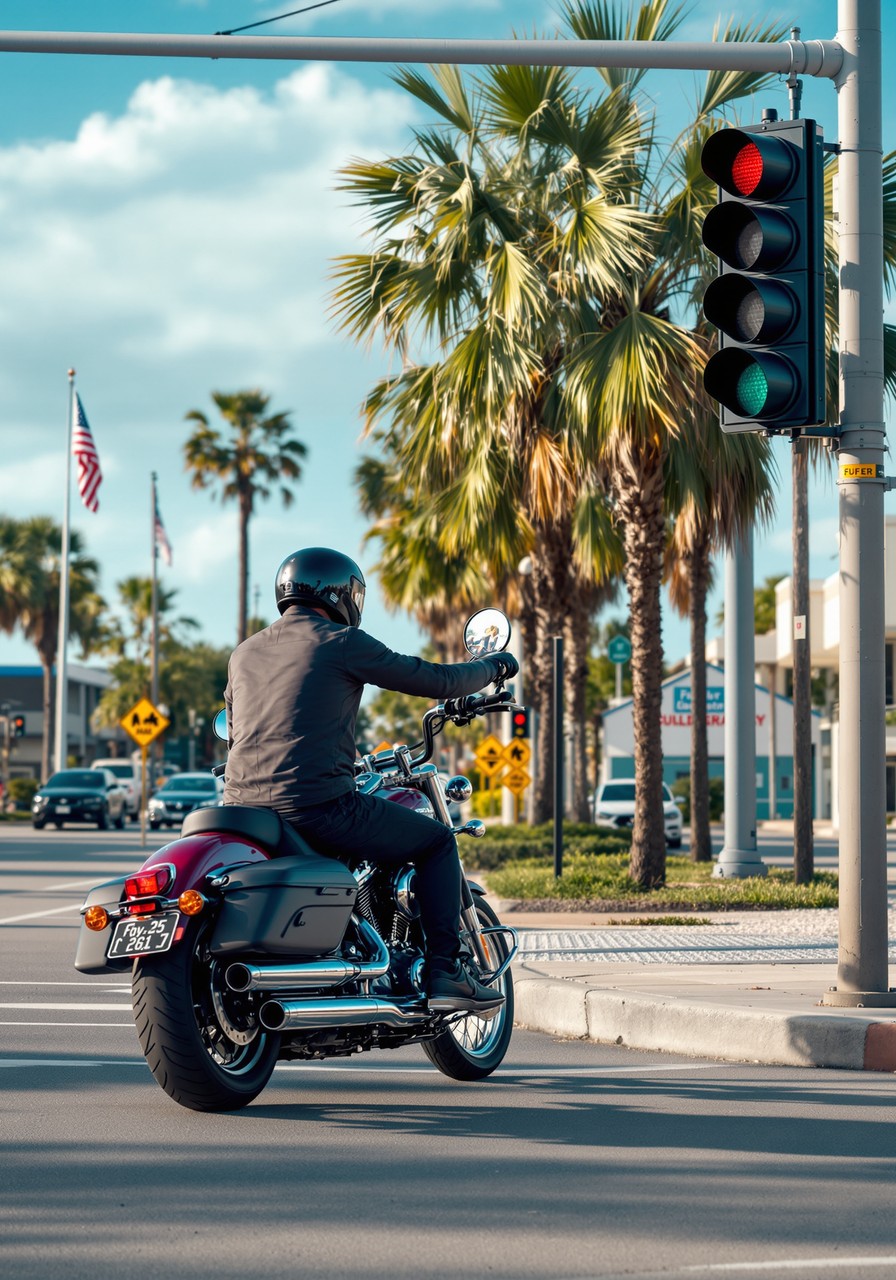
One percent at fault can equal zero recovery in Alabama. That is not a scare tactic, it is the law. Protect your claim from the first minute and call Noel Leonard at (251) 269-0869. #RideNationAL #RiderRights #KnowYourRights
Engagement
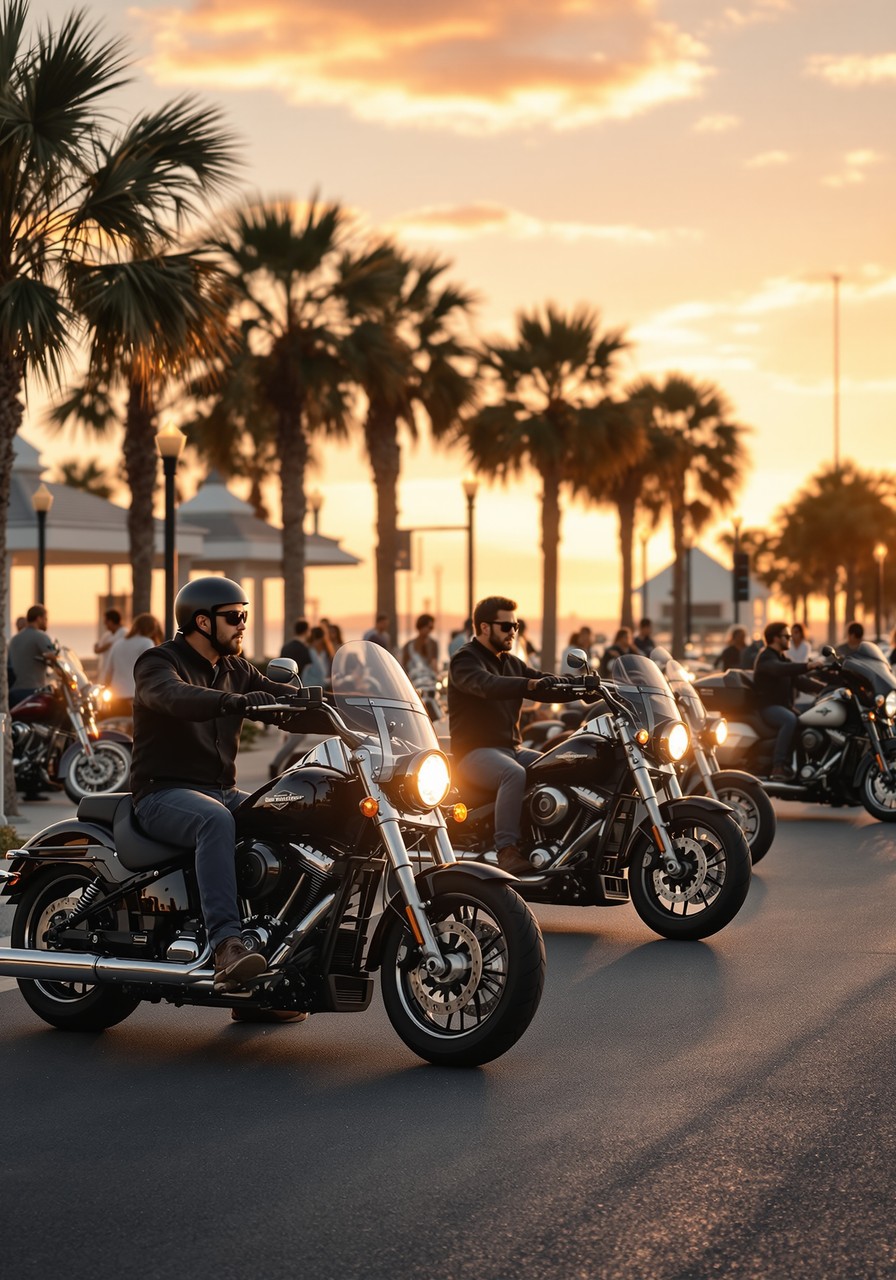
Question: what is on your handlebars right now, a phone mount, a drink holder, or nothing but chrome? #RideNationAL #TwoWheels #GulfCoastRiders
Giveaway & Countdown
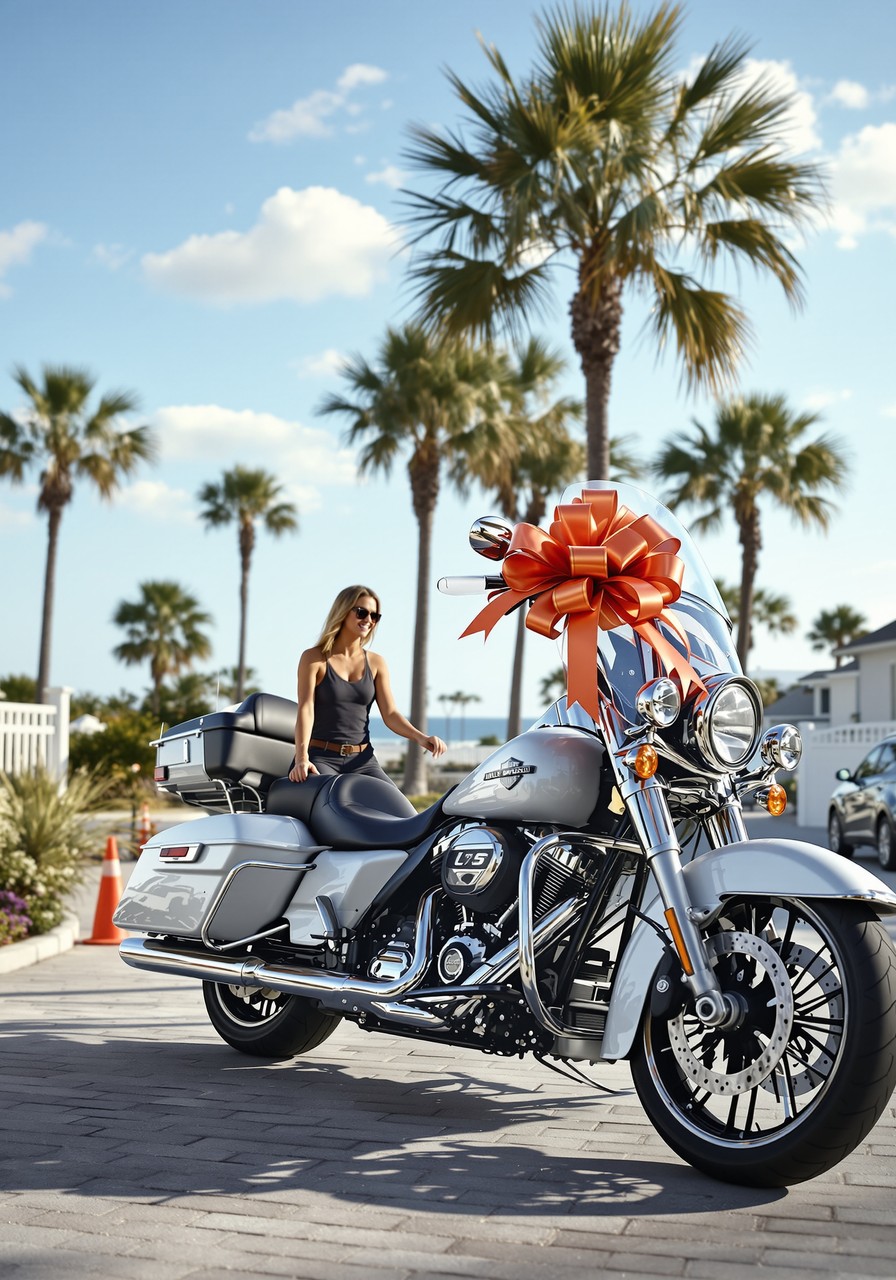
Feel that? That is Ride Nation Gulf Coast rallying around a $20,000 giveaway. #RideNationAL #BikersWin #GulfShores
Local AL & Rides
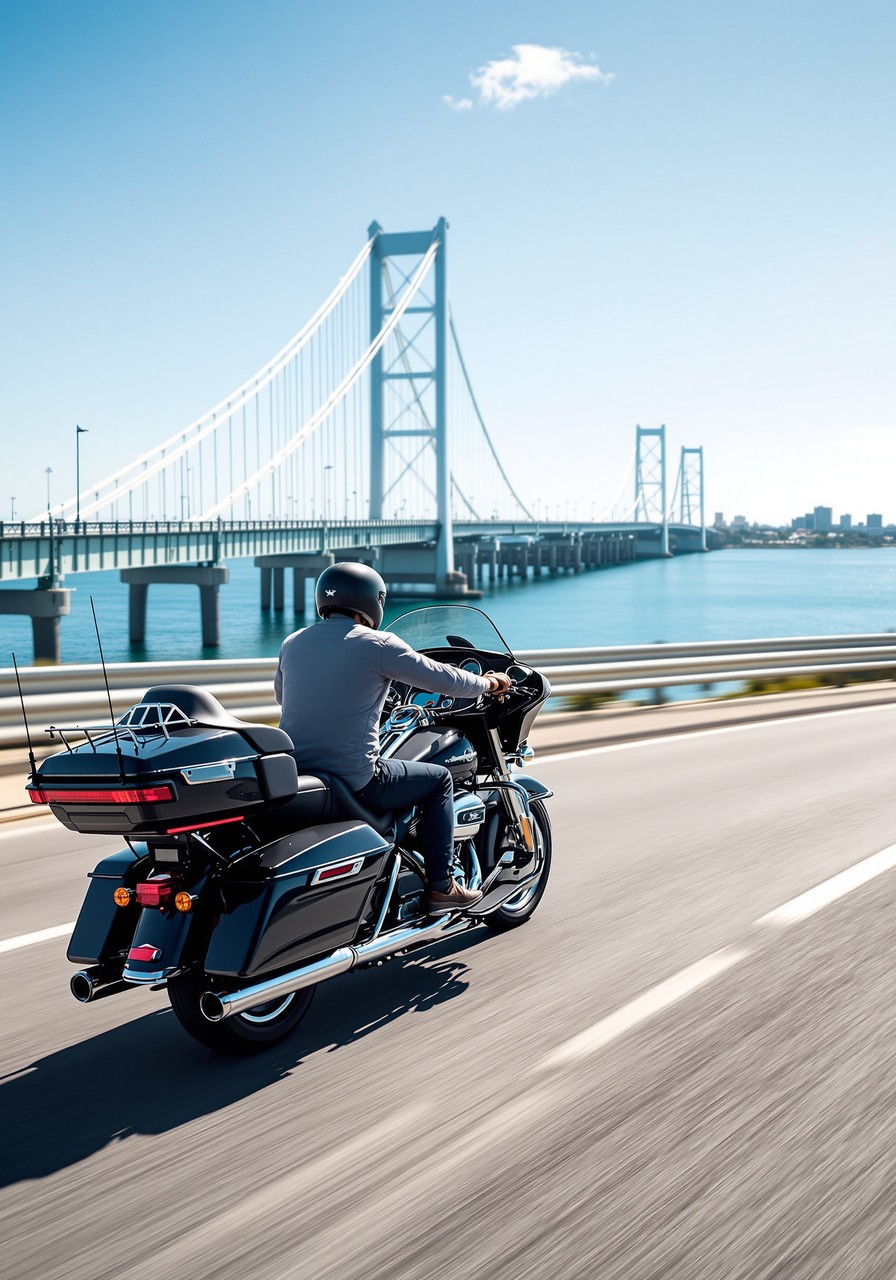
Orange Beach to Perdido along the water is a short hop with a big payoff. Perfect for a warm winter afternoon between fronts. #RideNationAL #OrangeBeach #GulfCoast
Gear & New Iron
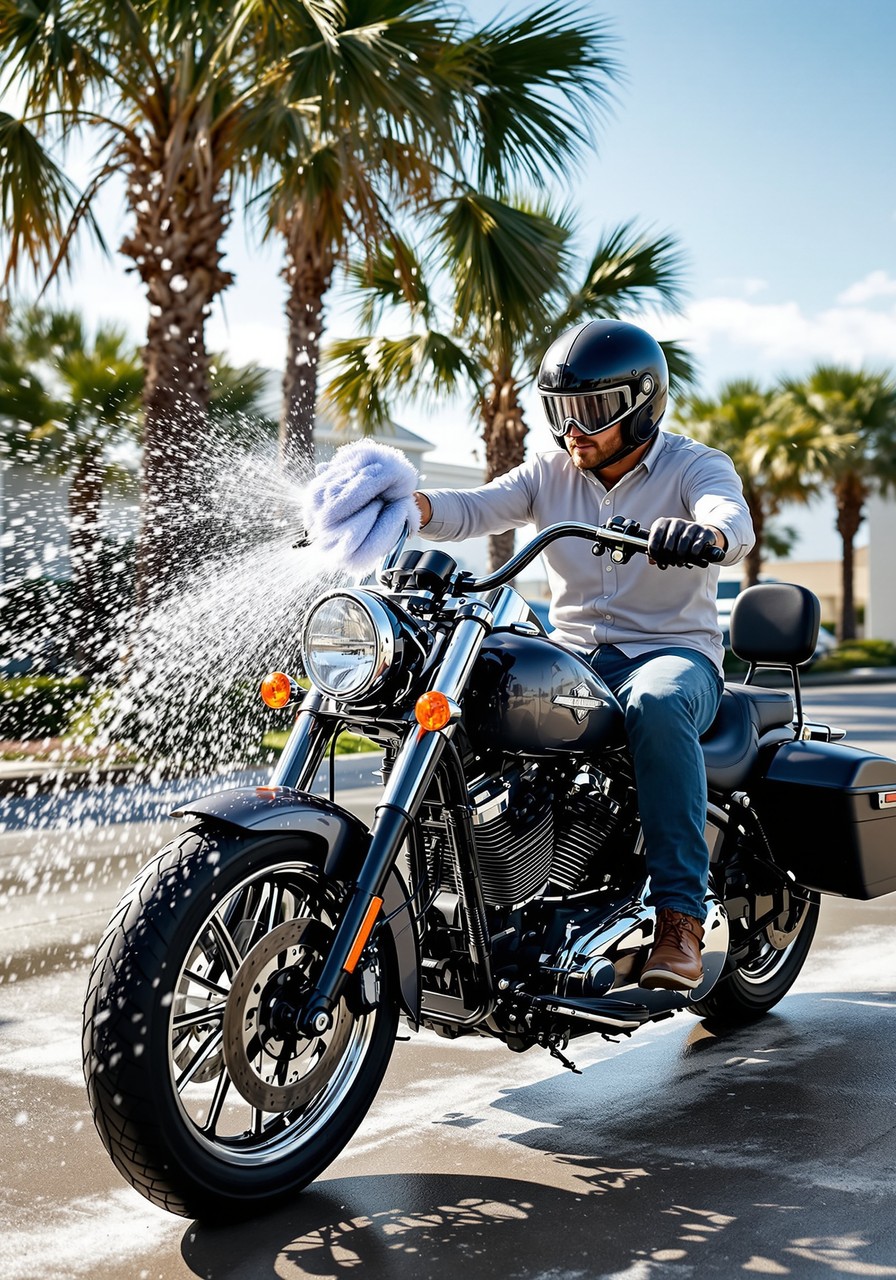
Test-fit gear like you fit a bike. A jacket that pinches in the shop will get left home on hot days, and that defeats the point. #RideNationAL #GearUp #HotWeatherRiding
Safety & AL Law
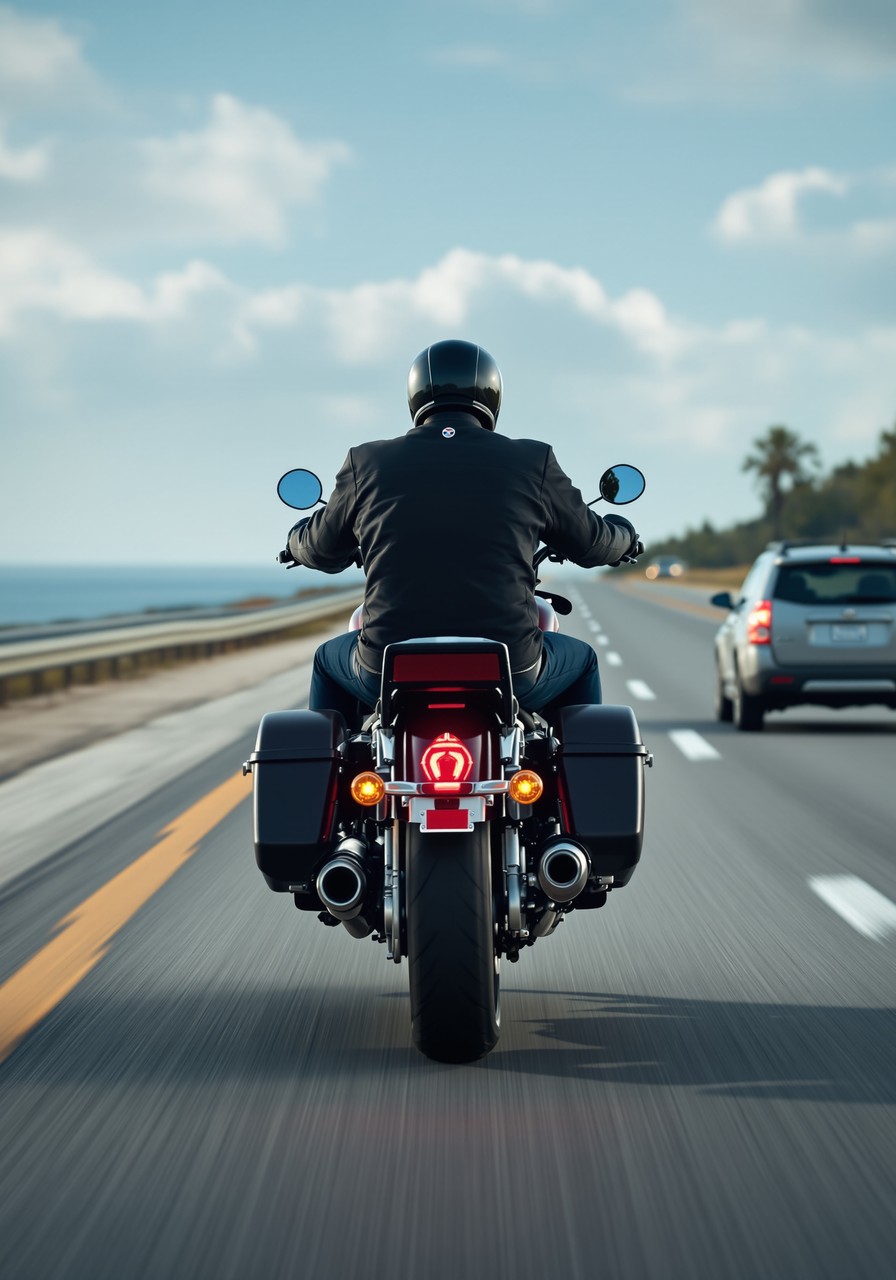
Bright gear and reflective panels are not about style, they are about being seen at dusk when tourist traffic peaks. Give drivers every chance to spot you. #RideNationAL #ATGATT #MotorcycleSafety
Engagement
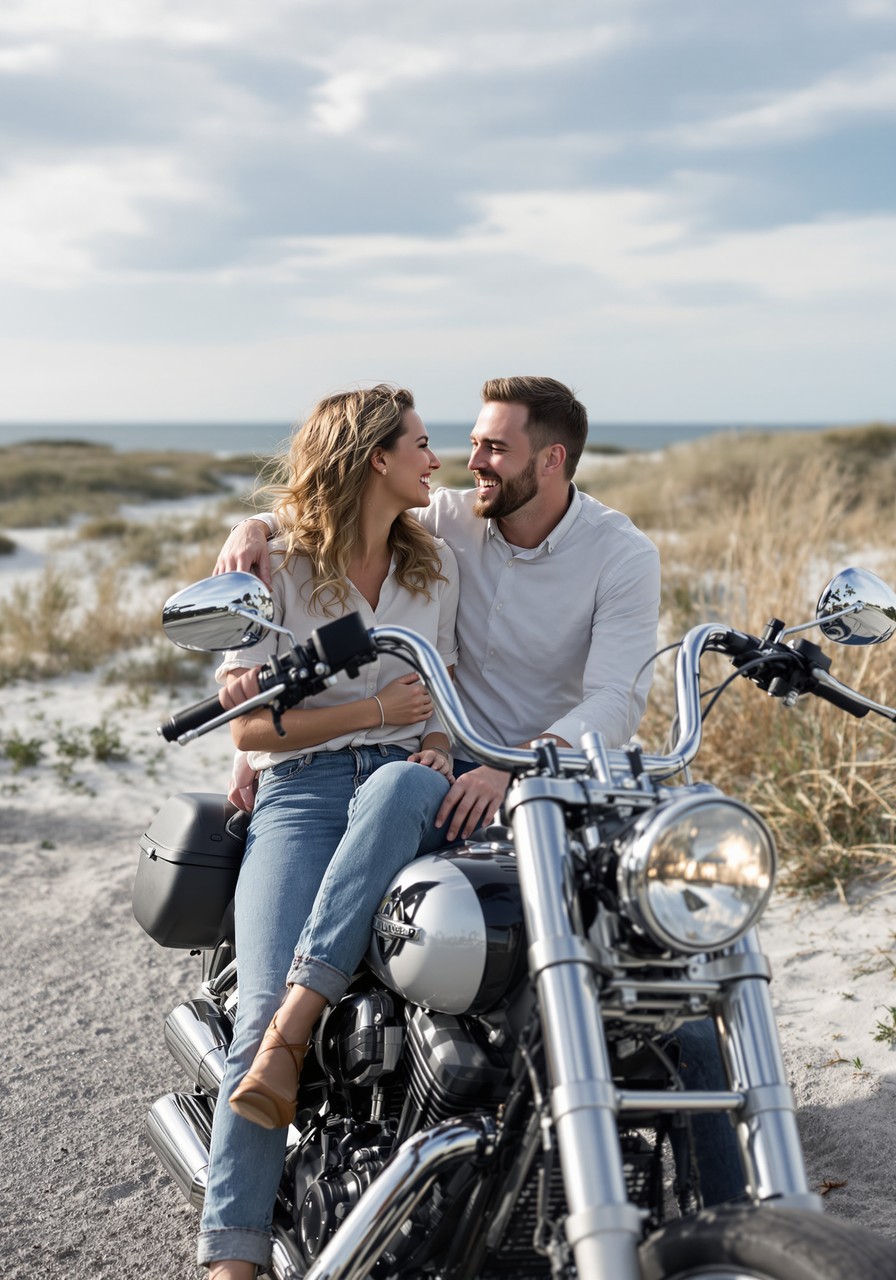
Tag your ride-or-die and drop where you are headed this weekend. We will meet you there. #RideNationAL #RideOrDie #GulfShores
Giveaway & Countdown
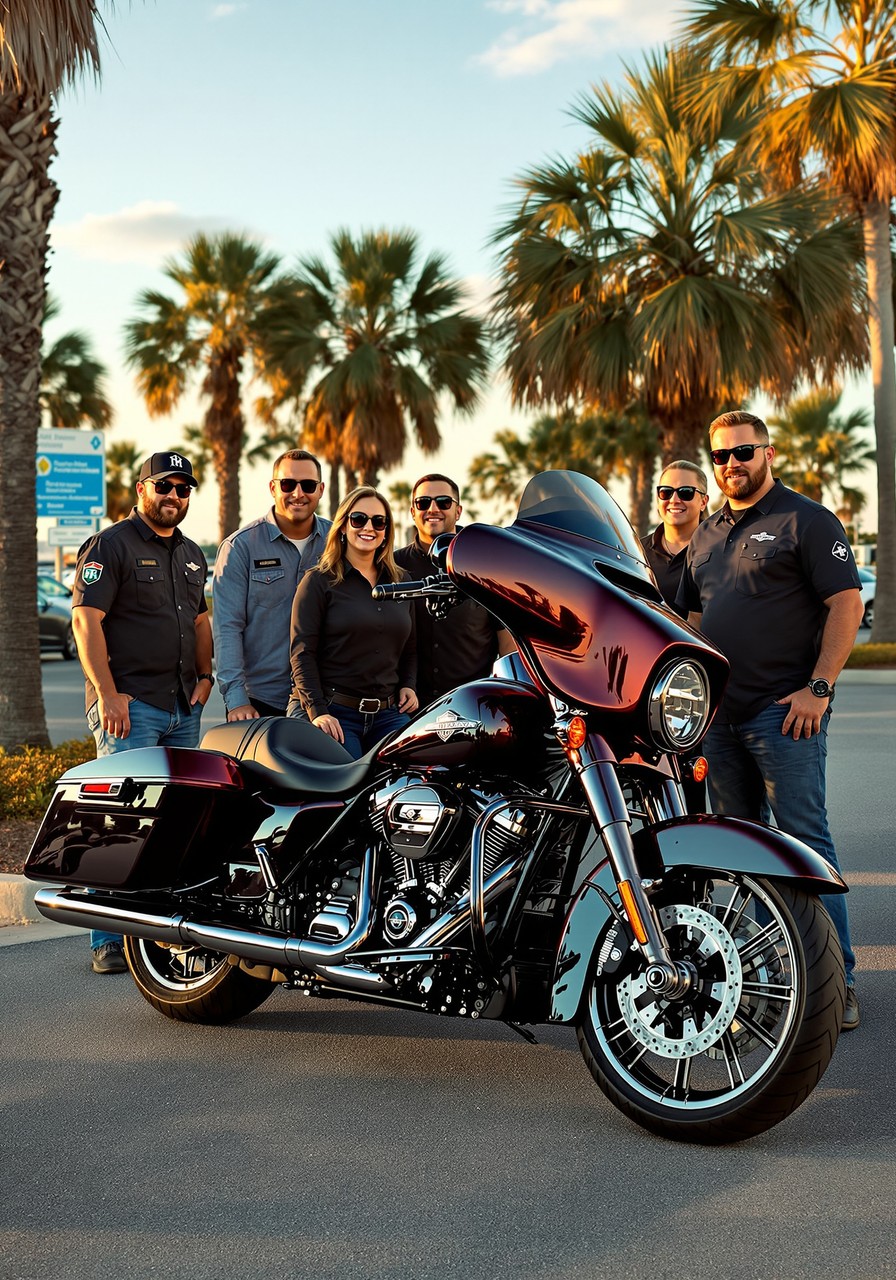
Final stretch energy. Keep the momentum rolling and get your people entered. #RideNationAL #20kGiveaway #GulfCoastRiders
Local AL & Rides
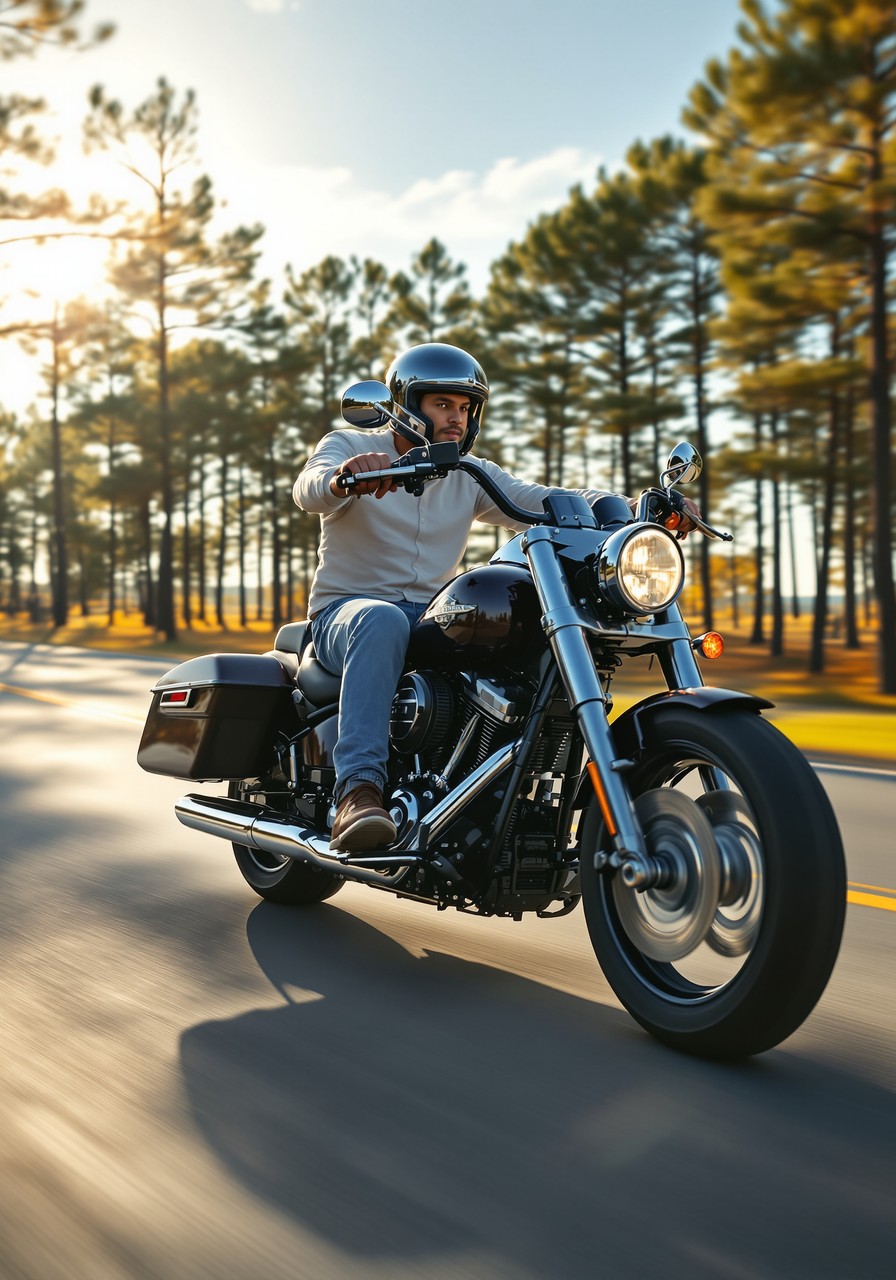
Golden hour on AL-182 with the beach lit up and the crowd thinning out. Ride it slow, wave at the regulars, and get home safe. #RideNationAL #GulfShores #GulfCoastRiders
Gear & New Iron
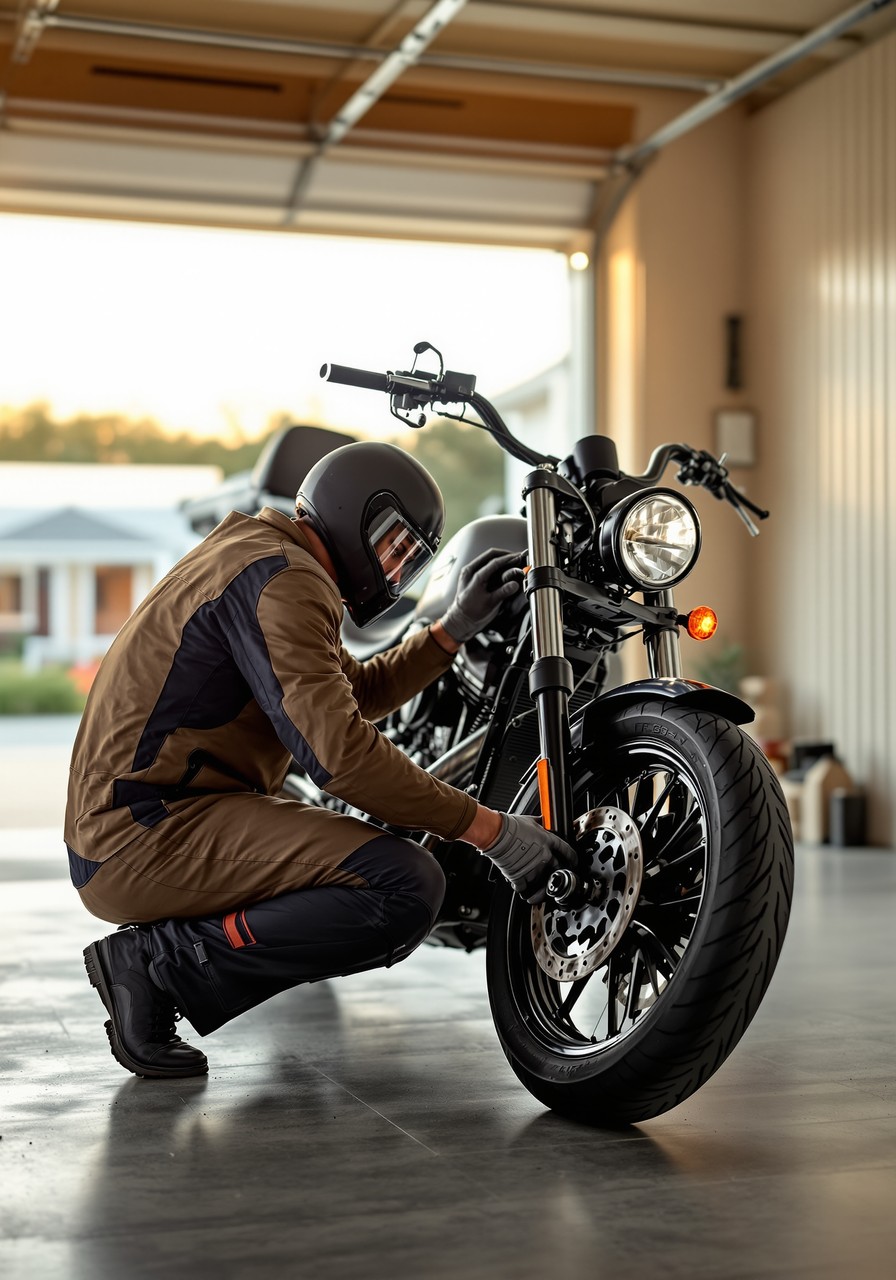
Layer smart for Gulf Coast mornings. A mesh jacket over a moisture-wicking base beats cotton that soaks through and chills you. #RideNationAL #HotWeatherRiding #RiderTips
Safety & AL Law
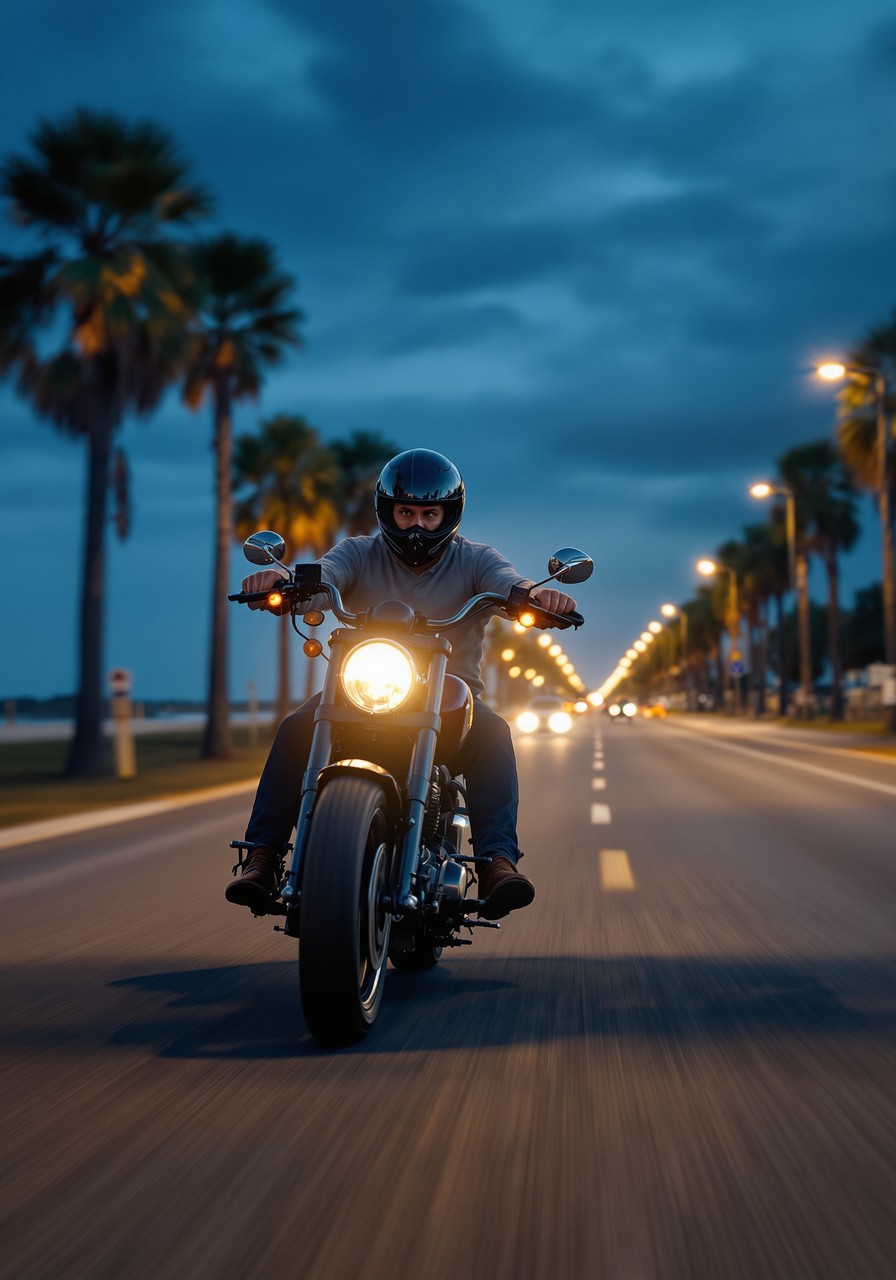
If a crash was not your fault, Alabama gives you 2 years to protect your rights and your recovery. Learn where you stand with a free case review from our office. #RideNationAL #KnowYourRights #AlabamaRiders